

Rheumatoid Arthritis
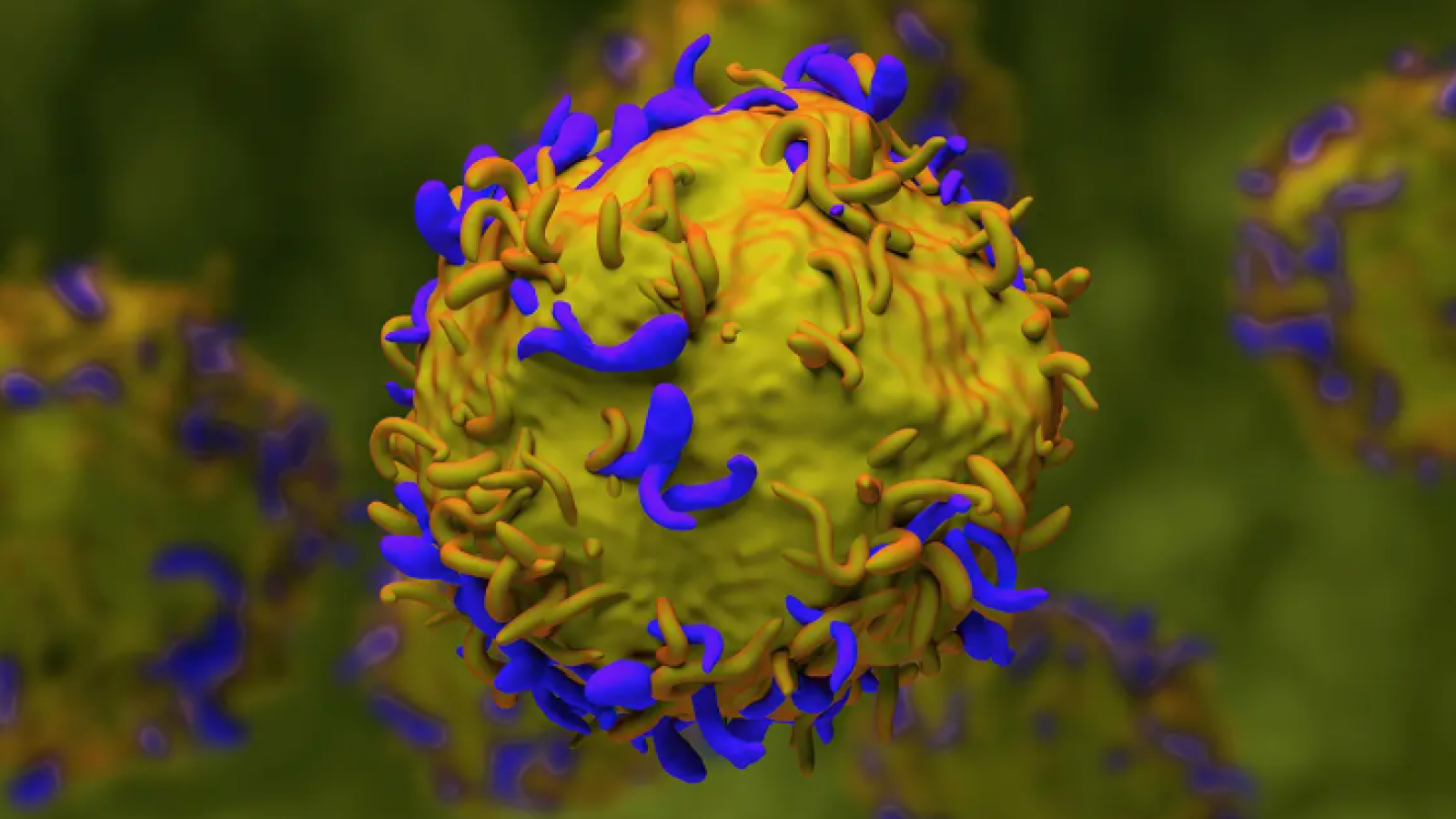
A transformation is now underway in rheumatology, where cellular and immune therapies are redefining how we treat autoimmune diseases.

At ACR Convergence 2025, new research explored critical disparities and epidemiologic trends shaping outcomes in autoimmune rheumatic diseases across diverse populations and age groups. Studies presented at the meeting highlighted issues ranging from kidney transplant outcomes in lupus to medication disparities in rheumatoid arthritis and demographic patterns in systemic sclerosis and axial spondyloarthritis.

Is there ‘bang for the buck’ using big data to help predict who will develop RA in at-risk populations and similarly to predict response to csDMARDs, TNFi and JAKi in RA?

Artificial intelligence isn’t a distant frontier anymore. It’s here, and it appears able to detect signs of rheumatoid arthritis, possibly before we can clinically detect it. Two studies presented at this year’s ACR meeting highlight just how close we may be to a future where algorithms flag disease before we can and monitor activity with minimal patient burden.

We know that pre-RA is a definition that stands under a large umbrella, ranging from asymptomatic individuals with ACPA positivity to individuals with symptomatic pre-clinical synovitis. How can we predict the transition from the at-risk state to clinical RA outside the realm of clinical, conventional serological (RF/anti-CCP) or imaging (US/MRI synovitis) biomarkers?
Podcasts
 ACR 2025 RA Topic Podcasts Compilation 6
 ACR 2025 Daily Podcasts Day4b
-
ACR 2025 RA Topic Podcasts Compilation 5


