article
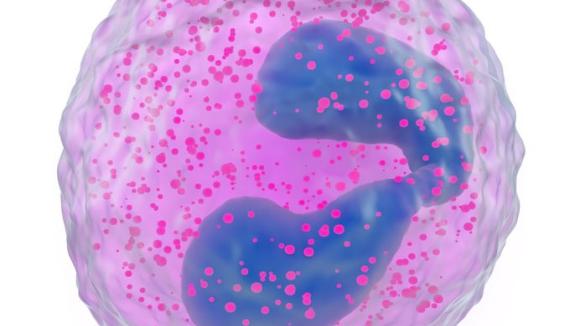
A French study has shown that rituximab is more effective than azathioprine at maintaining remission in patients with eosinophilic granulomatosis with polyangiitis (EGPA) on chronic prednisone.

Search for Terms or Answers
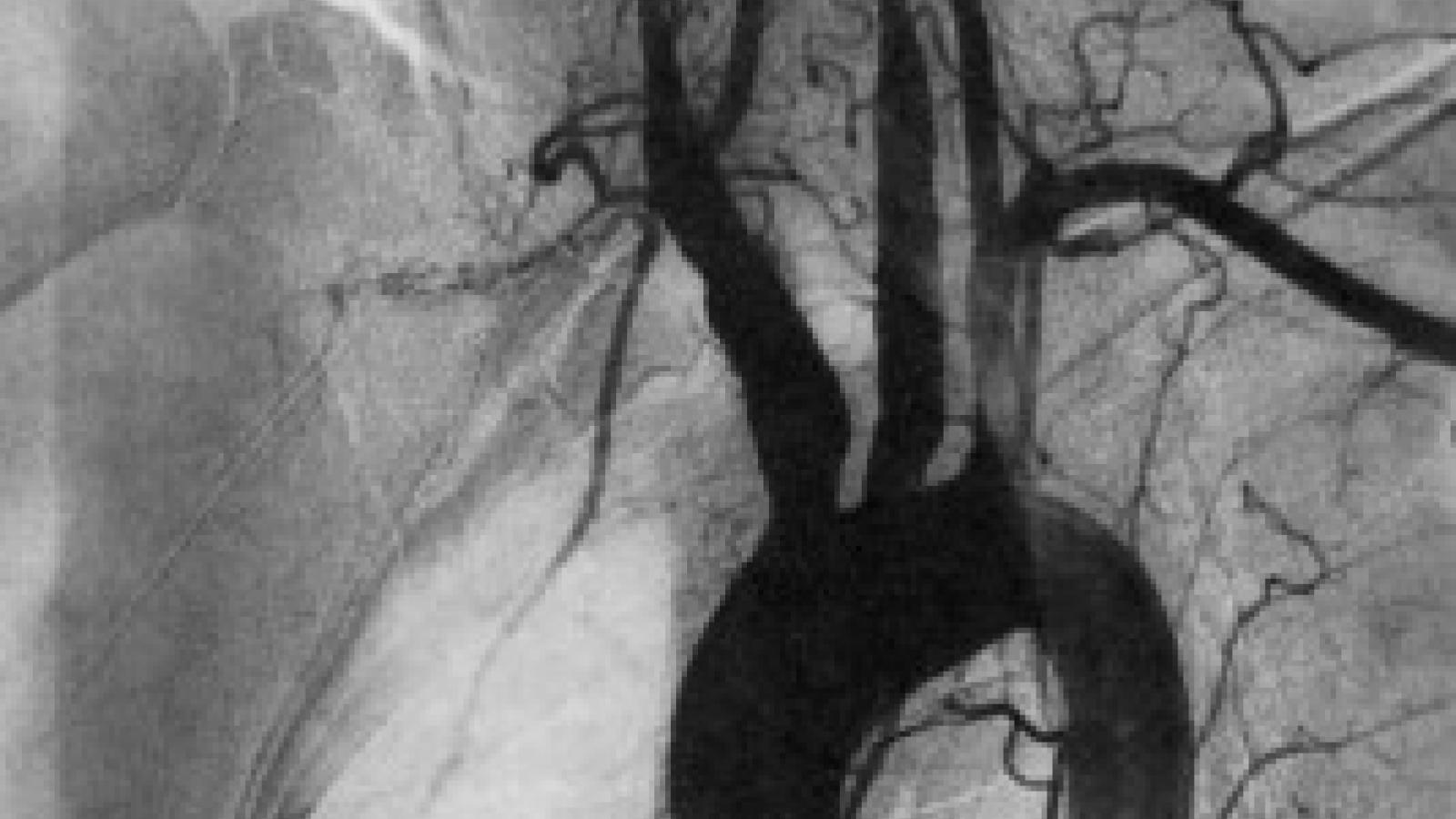
The treatment of active Takayasu arteritis (TAK) is imperative to quiet vascular inflammation and subsequently maintain vascular integrity while preventing vessel damage. Our upfront management of TAK, beyond glucocorticoids and conventional DMARDs, remains limited to two primary mechanistic categories: tumor necrosis factor inhibitors (TNFi) and the IL-6 inhibitor tocilizumab (toci).
A French study has shown that rituximab is more effective than azathioprine at maintaining remission in patients with eosinophilic granulomatosis with polyangiitis (EGPA) on chronic prednisone.




Dr. Jack Cush reviews the journal articles and regulatory announcements from this past week on RheumNow, including: two crystals in one joint, twice the cryptococcus risk in JAKs; Myositis and Scleroderma; and Sjögren’s plus early damage = >> 2 fold risk lymphoma. Double trouble week on the RheumNow podcast.



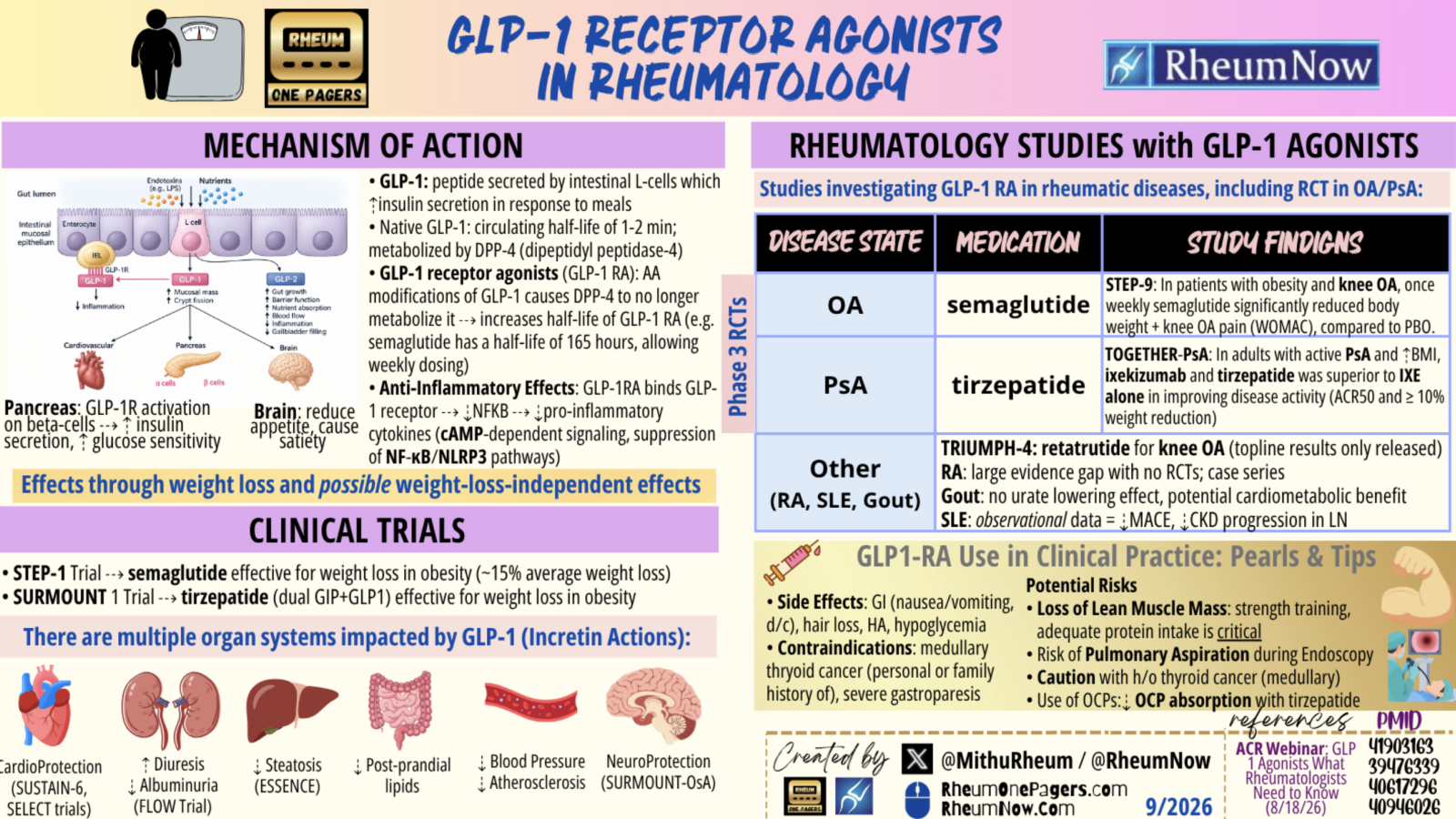
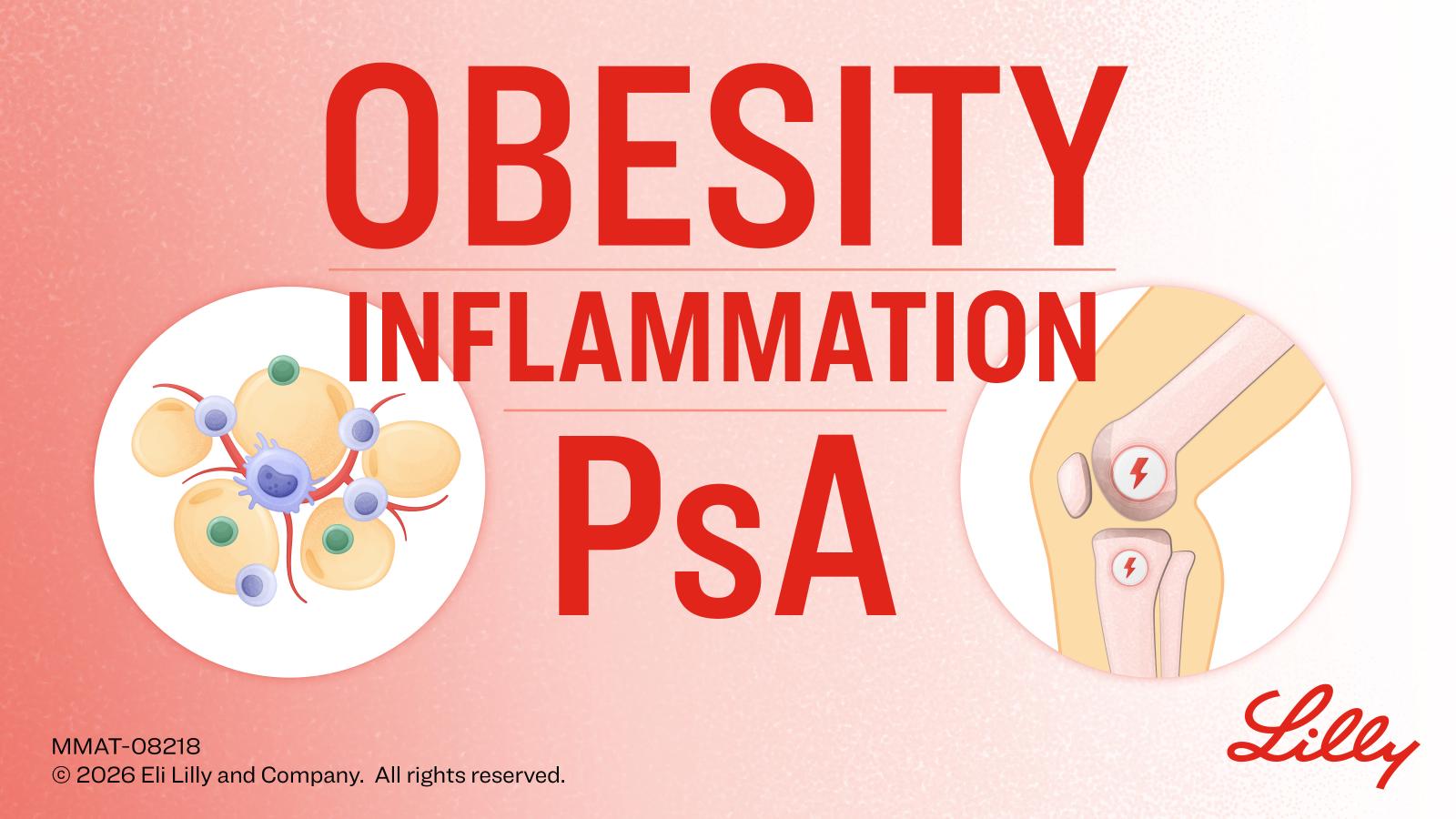
The costs of GLP-1 agonists must come down in order to make these treatments available to the people who need them - including many people with rheumatologic diseases.



 Poster Hall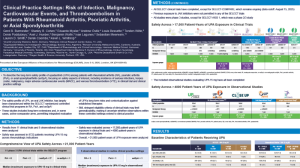
Sponsored by AbbVie Medical Affairs + Health Impact
By downloading this material, I acknowledge that it may be used only for personal use and personal education and that I will accredit RheumNow.com as the source and owner of this material. Commercial use or mass reproduction of this material without permission from RheumNow (info@rheumnow.com) is prohibited.