

Rheumatoid Arthritis

Janet Pope Janetbirdope
10 months 1 week ago
Eat #fibre helps #rheumatoid #arthritis!
#RCT #RA w #MTX
Adding #super fibre
Mean #DAS28 3.8
7TJC, SJC2
Small N +RCT
Super fibre group
⬆️ #EULAR response
✅ improve #TH17 &TREG response
🤷♀️ tolerability and ease to use dietary super fibre
#ACR25 @RheumNow @ACRheum abst#LB15 https://t.co/ME6bsj4Ec7


Mrinalini Dey DrMiniDey
10 months 1 week ago
#0850 Single-cell RNA-seq of RA synovium uncovers a new biomarker & therapeutic target: PHIF
Made by Tph cells, drives macrophage activation and mirrors disease severity.
Big step forward in understanding RA immunopathogenesis. @RheumNow #ACR25 https://t.co/KtyxU0Lqly


David Liew drdavidliew
10 months 1 week ago
GLP-1 RA meds: we are just starting to see their impact in rheumatoid arthritis. We know metabolic, CV risk in RA, but what to do?
RA pts in TriNetX, obese non-diabetic
GLP-1 RA reduced 1y CV events & also all-cause mortality
Soon will be near-standard
#ACR25 ABST0445 @RheumNow https://t.co/4ptAHdmf9q

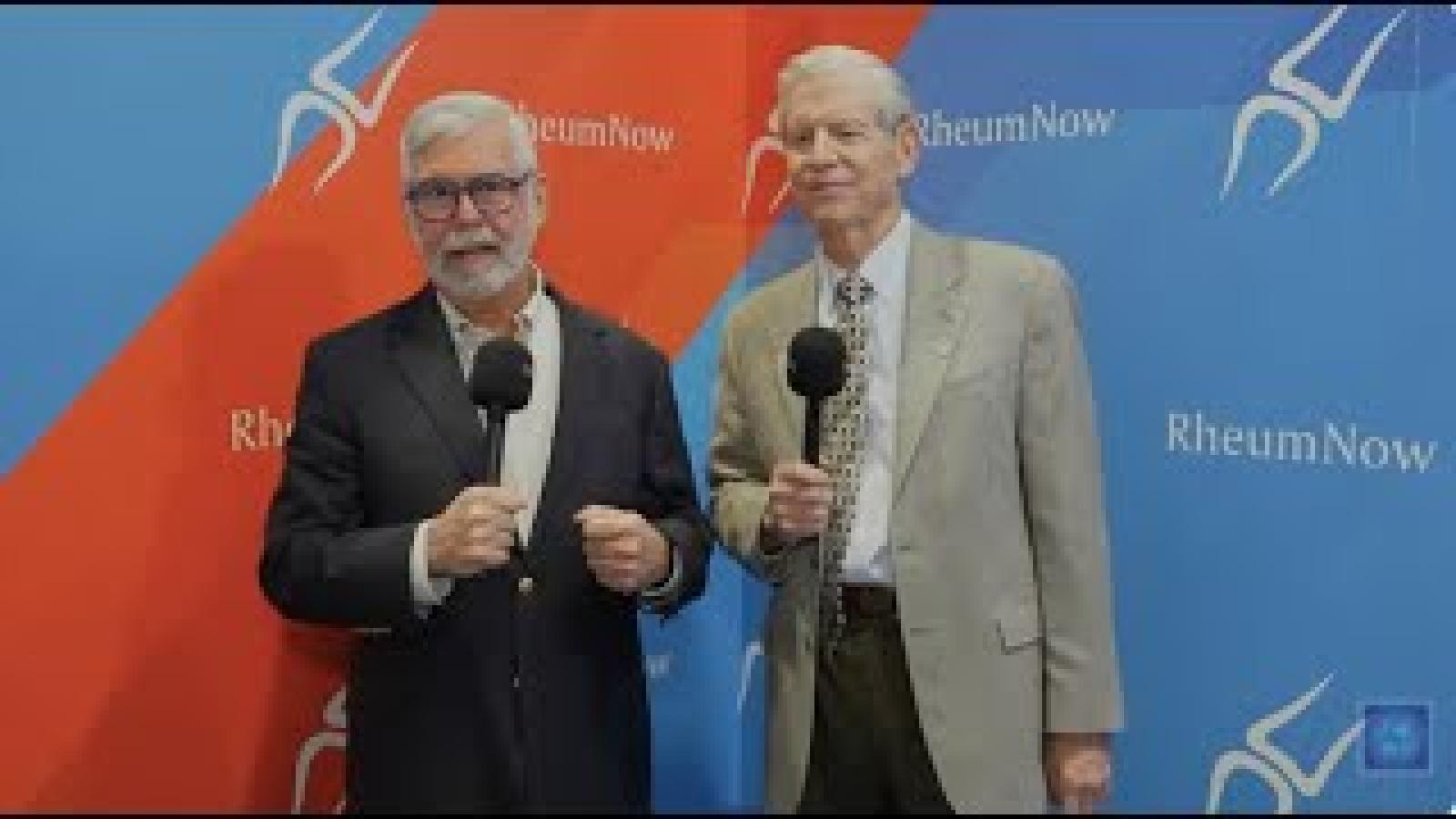

As the population ages globally, rheumatologists are caring for an increasingly older patient population more than ever before. In RA alone, nearly 40 percent of patients are now aged 65 years or older. Yet the evidence guiding our treatment decisions continues to come from studies that rarely include them, giving rise to a fundamental question: do we really know how best to treat older adults with rheumatic diseases?

New research presented at ACR Convergence 2025 highlights how the Rheumatology Informatics System for Effectiveness (RISE) registry—the nation’s largest collection of electronic health record data from rheumatology practices—is driving transformative improvements in quality, safety, and patient outcomes across rheumatic and musculoskeletal diseases.

Richard Conway RichardPAConway
10 months 1 week ago
Crisci et al. from CorEvitas. Alcohol, esp moderate use, associated lower CDAI. Most likely explanation appears to be residual confounders based on impact of adjustments however... @RheumNow #ACR25 Abstr#1340 https://t.co/cd0JLW8nGD


The GLP-1 story has been hard to miss this year, and at ACR Convergence, it’s clear that these drugs are starting to make real waves in rheumatology. Across multiple abstracts, investigators have used a large real-world dataset, the TriNetX network, to explore how GLP-1 receptor agonists (GLP-1RAs) might influence cardiovascular, renal and immune-mediated outcomes in our patients.
Janet Pope Janetbirdope
10 months 1 week ago
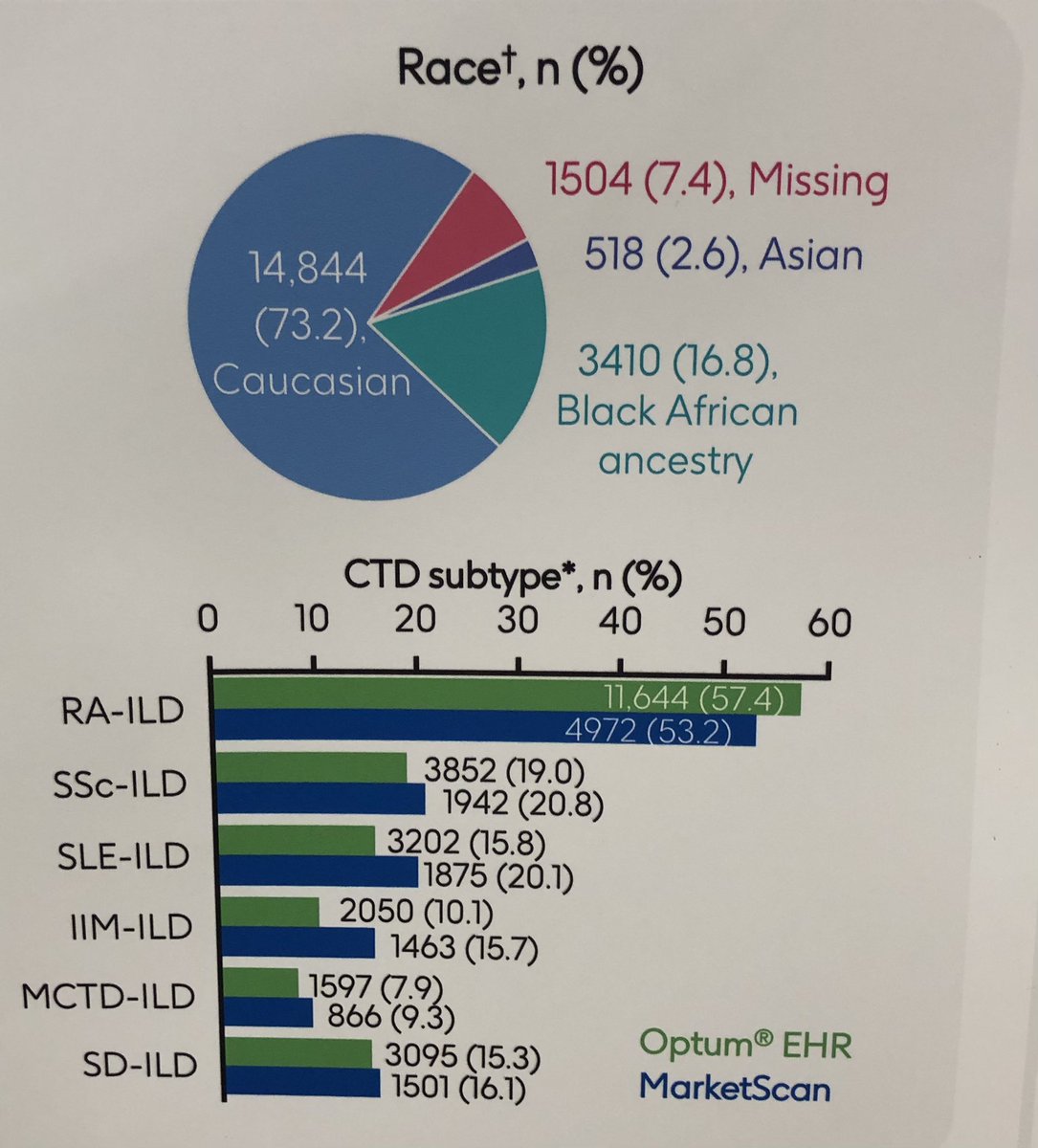
What is the #frequency of #CTD #ILD in #USA?
Data from #Marketscan >9K & #Optum ~20k CTD-ILD Pts
56-65 yrs, 3/4 F
?under ascertained #RA-ILD - low % but #SSc-ILD approx 16% clinically relevant
Same as Ont, Canada #SSc-ILD %
Not rare
#ACR25 @RheumNow @ACRheum
Abst#0154 https://t.co/imfSyOtYpC
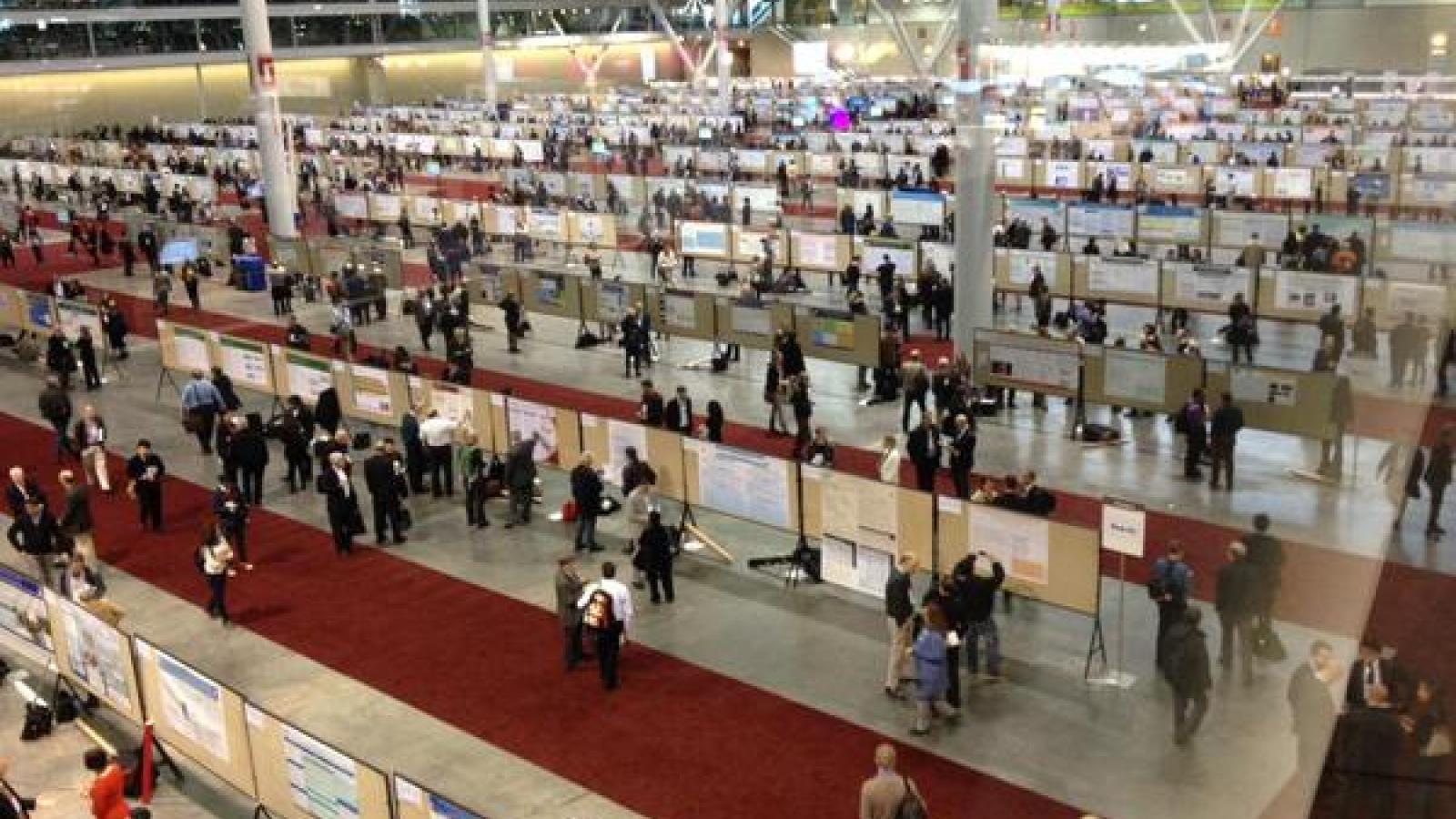
ACR 2025 began today in Chicago with throngs of rheumatologists, fellows, ARP members, APPs and pharma folk taking to the meeting halls and rooms for tons of novel content.
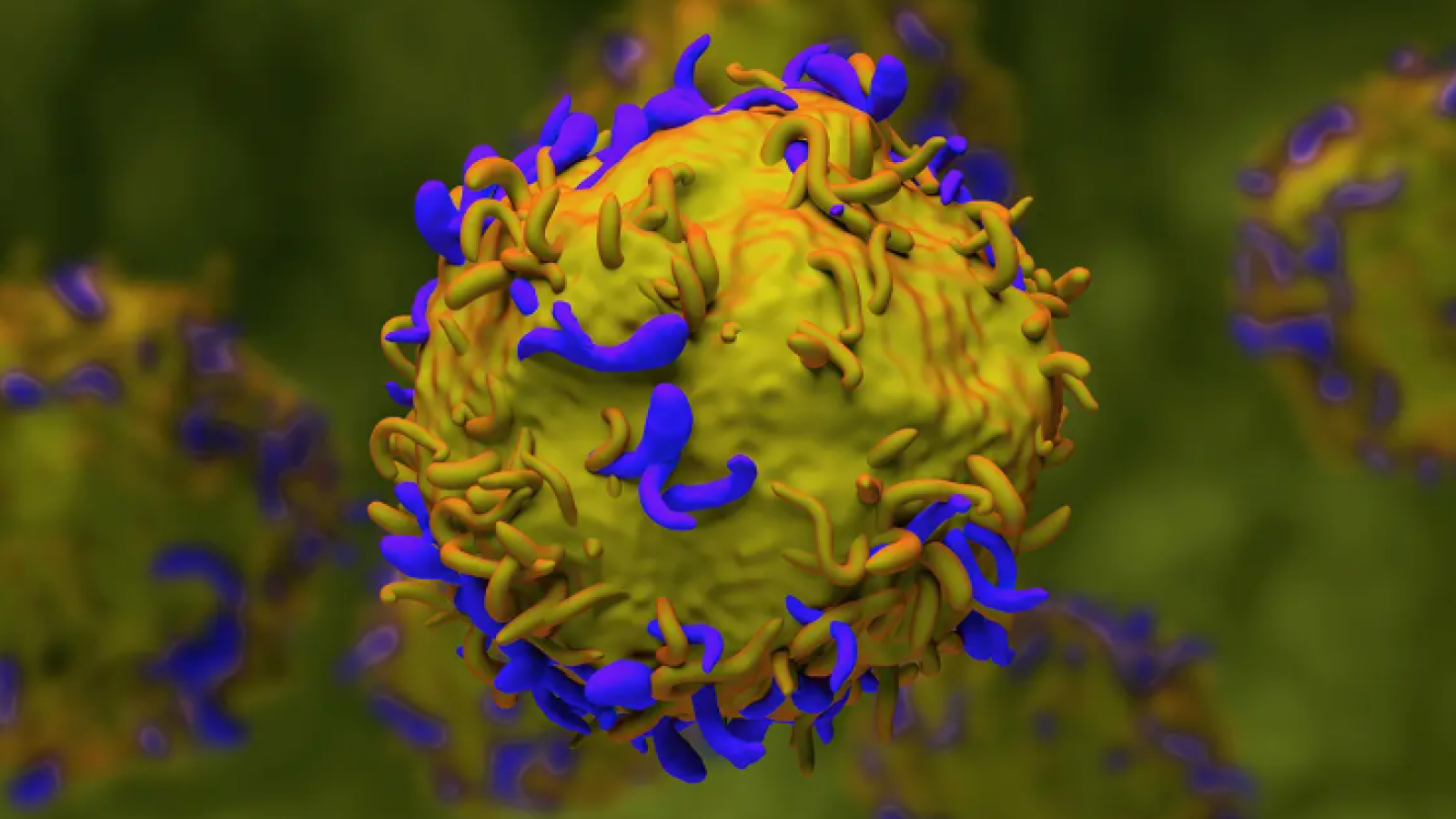
A transformation is now underway in rheumatology, where cellular and immune therapies are redefining how we treat autoimmune diseases.


Jiha Lee JihaRheum
10 months 1 week ago
RA may age the immune system by nearly two decades.
IgG glycome profiles showed inflammatory aging even in early RA, tied to low fitness & high inflammation.
Improving muscle & fitness may help reverse this biologic clock.
@RheumNow #ACR25 Abstract #0835

Aurelie Najm AurelieRheumo
10 months 1 week ago
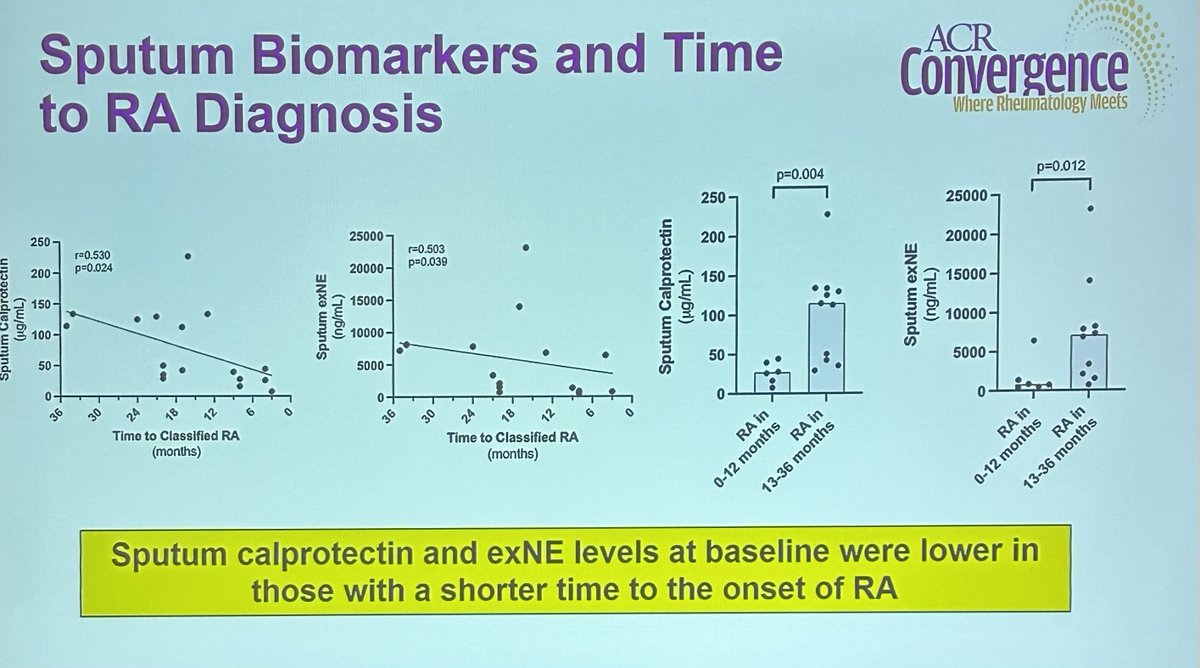
Could a sputum test predict risk for RA conversion in at-risk patients?
98 at risk pts, Converters had higher
-BL sputum CCP levels
-BL Sputum nucleosome and cit-nucleosome levels !although not asso after adjusting for sputum anti-CCP-IgA level
In converters, correlation of https://t.co/bqmQqS1Jz5
Aurelie Najm AurelieRheumo
10 months 1 week ago
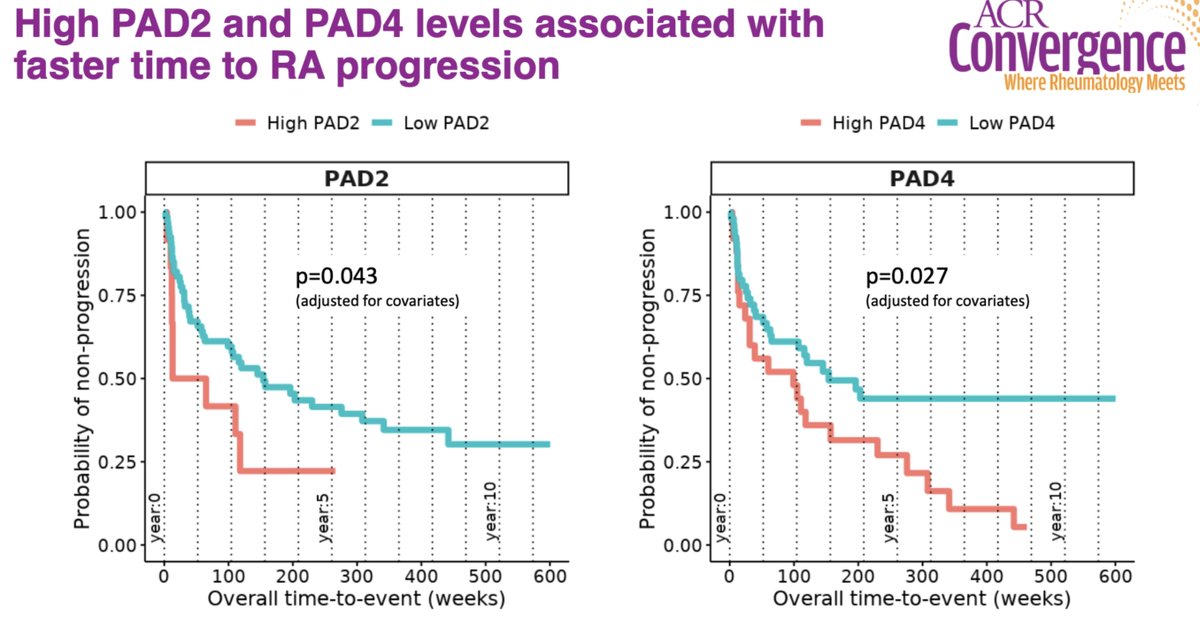
More biomarkers predictive of conversion to clinical RA in at-risk pts
Serum PAD4 & PAD 4 levels measured in CCP+ at-risk individuals
-PAD4 (not PAD2) increased in RA Converters vs. non converters and HC
-PAD4 levels Pre-RA = RA
Within high CCP+ at risk individuals, higher https://t.co/LU5zUzui1G
Podcasts
 ACR 2025 RA Topic Podcasts Compilation 6
 ACR 2025 Daily Podcasts Day4b
-
ACR 2025 RA Topic Podcasts Compilation 5


