


Axial spondyloarthritis (axSpA) remains a diagnostic challenge, particularly in its early stages before structural sacroiliitis is visible on imaging.
Here are 3 abstracts that caught my eye on Day 2 at ACR25. Notably these have takeaway messages that should support your current practices.
CAR T-cells have been a revolutionary development in rheumatology. We have seen a population of patients with severe refractory autoimmune conditions almost overnight presented with the prospect of not just improvement, but of a cure.
In recent years, data has emerged suggesting that female patients with spondyloarthritis, both psoriatic arthritis and axial spondyloarthritis, may have worse outcomes than male patients. A number of post-hoc analyses of randomised controlled trials of both TNF inhibitors and IL-17 inhibitors
As the population ages globally, rheumatologists are caring for an increasingly older patient population more than ever before. In RA alone, nearly 40 percent of patients are now aged 65 years or older. Yet the evidence guiding our treatment decisions continues to come from studies that rarely
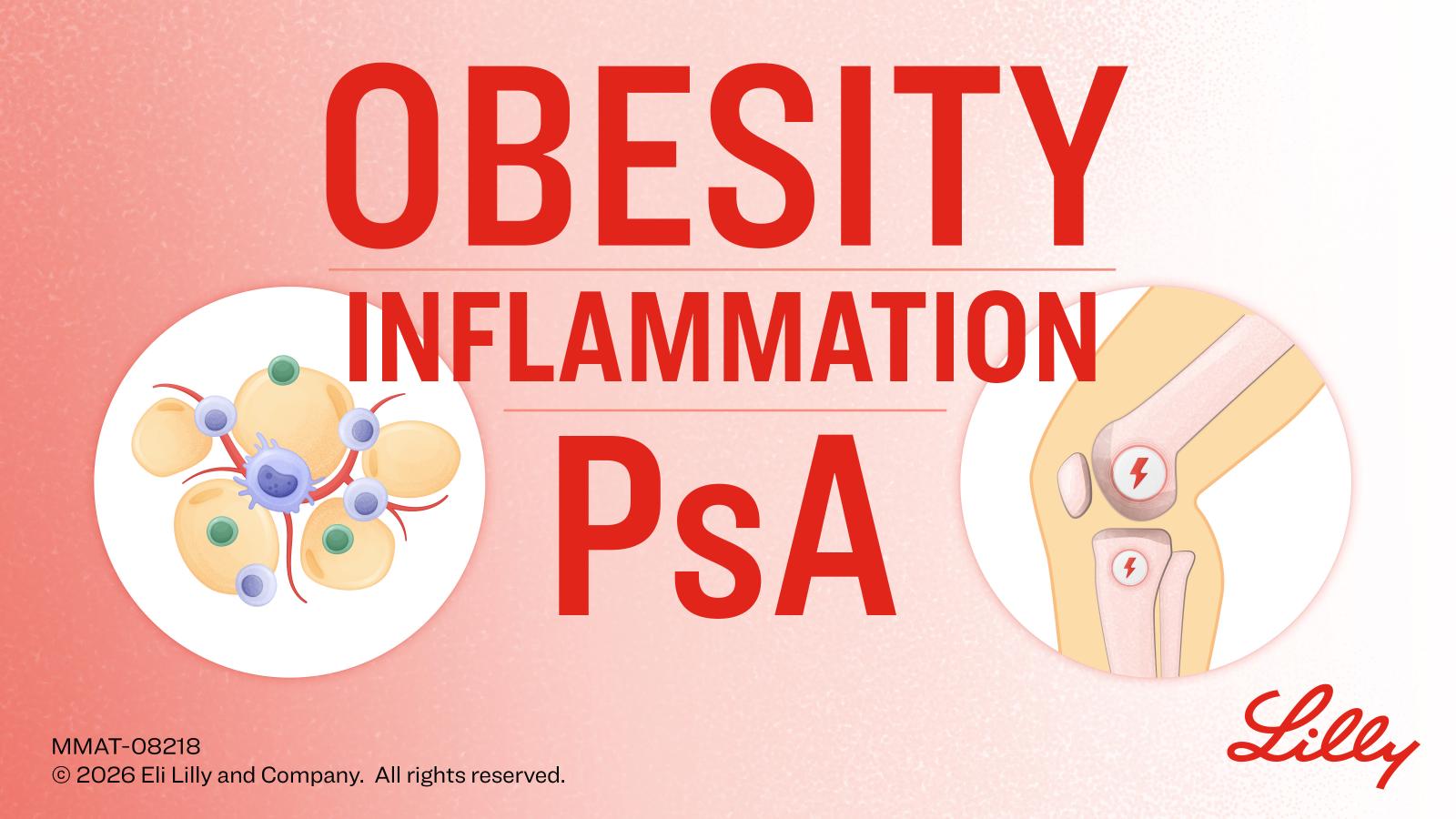
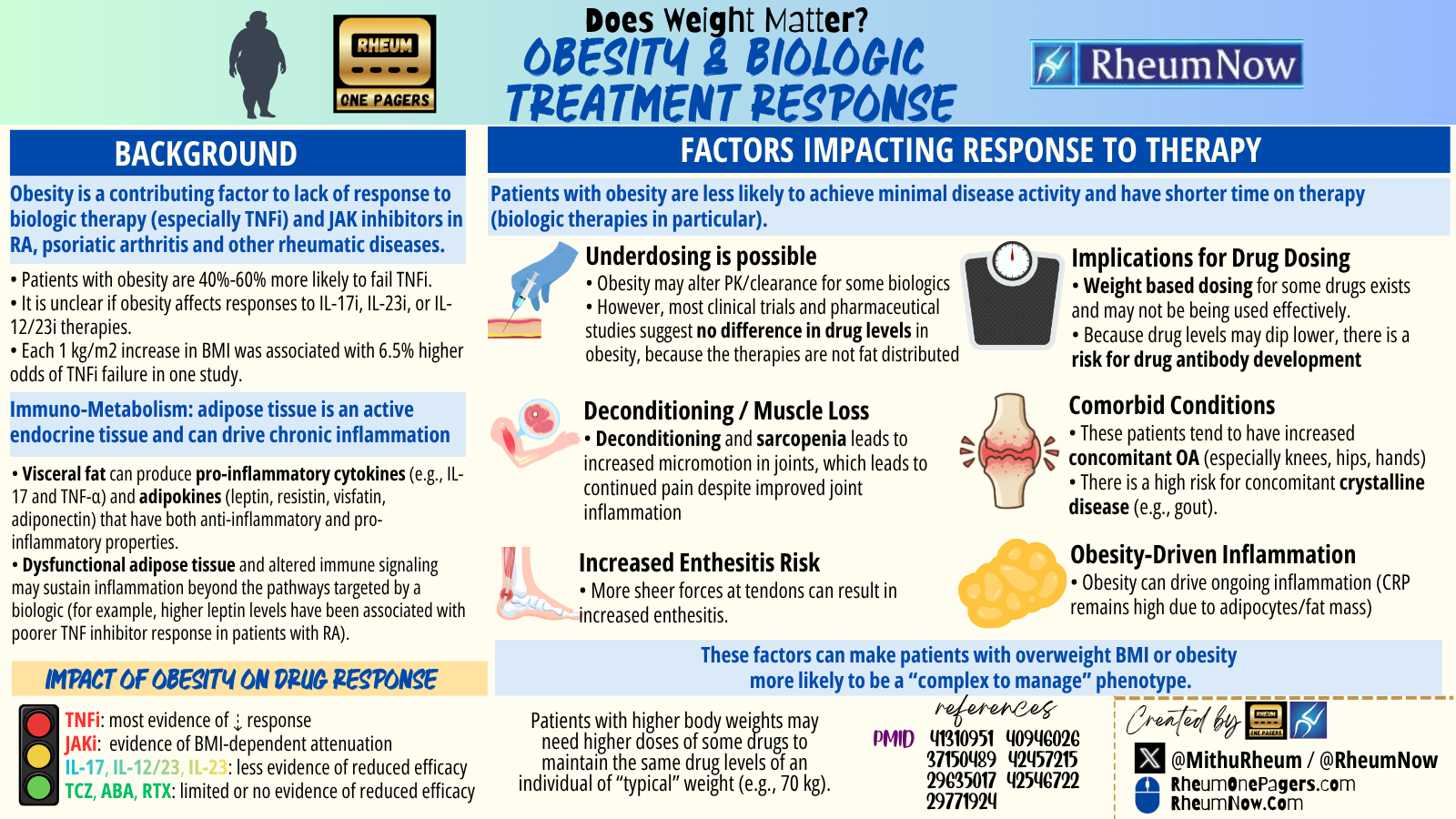
The GLP-1 story has been hard to miss this year, and at ACR Convergence, it’s clear that these drugs are starting to make real waves in rheumatology. Across multiple abstracts, investigators have used a large real-world dataset, the TriNetX network, to explore how GLP-1 receptor agonists (GLP-1RAs
ACR 2025 began today in Chicago with throngs of rheumatologists, fellows, ARP members, APPs and pharma folk taking to the meeting halls and rooms for tons of novel content.


Poster Hall