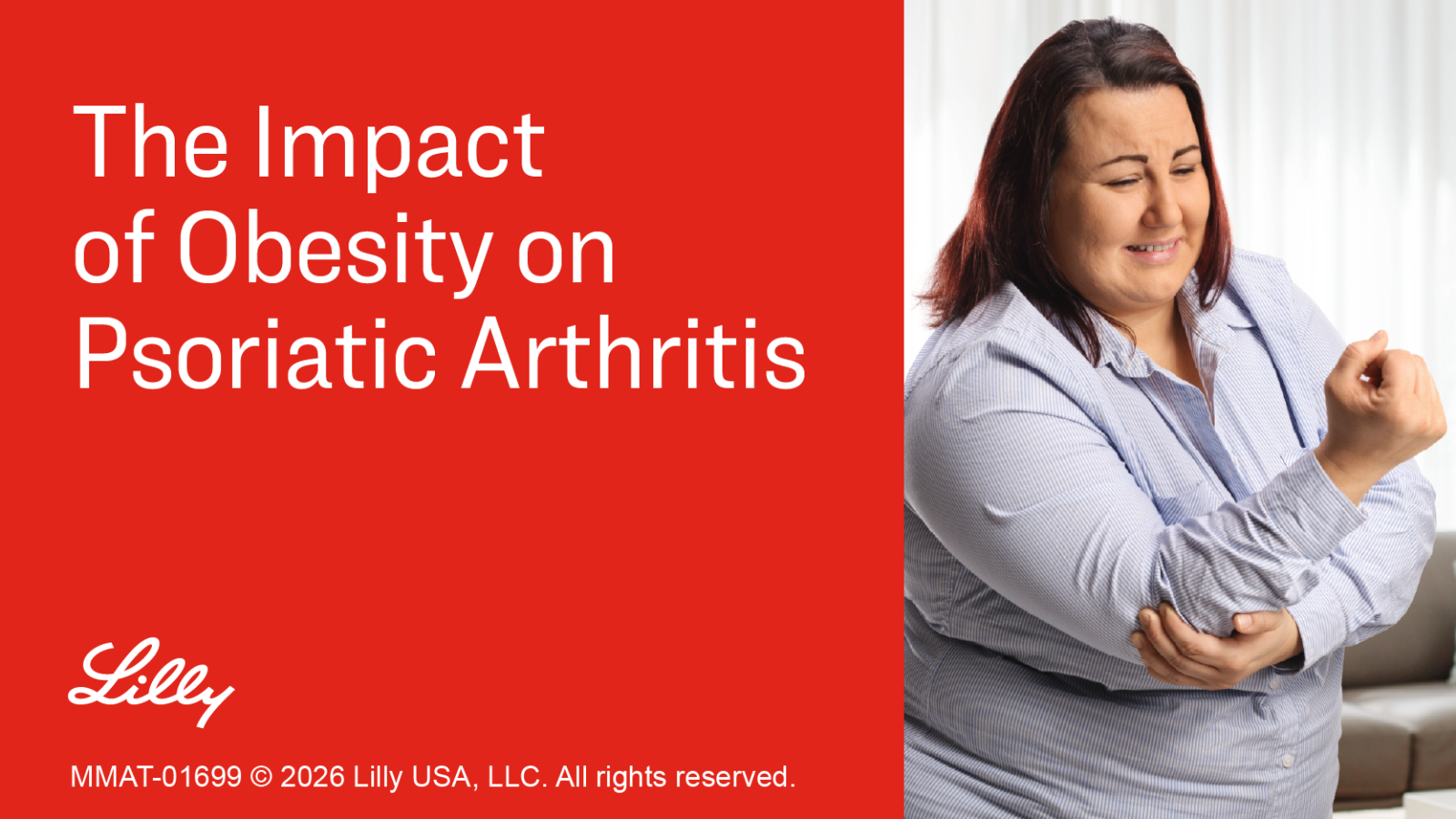
The Impact of Obesity on Psoriatic Arthritis
Sponsored by Lilly Medical Affairs


Oct 25-29, 2025
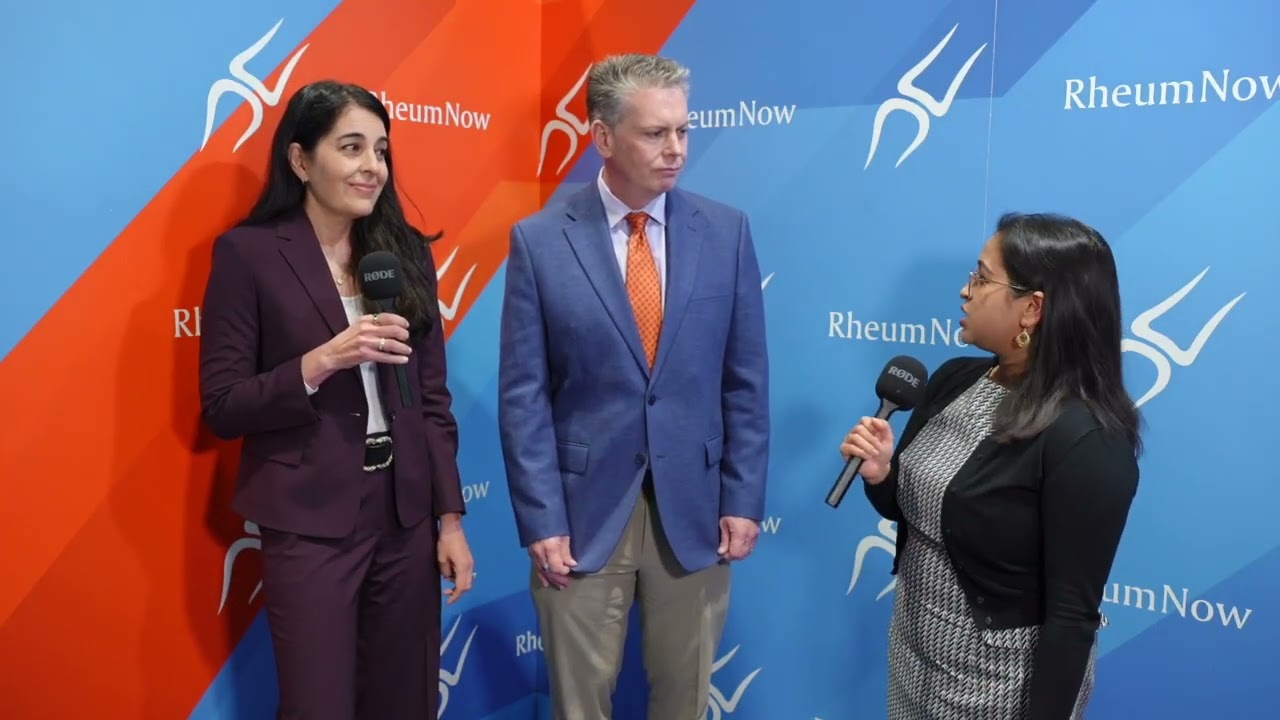
Drs. Mrinalini Dey, Jeffrey Curtis and Jinoos Yazdany
Watch video →
Dr. Richard Conway reports on abstract 1355, "Use of parenteral compared to oral glucocorticoids in early rheumatoid arthritis is superior for chance of being off steroids and escalation of therapy at 1 year," presented at the 2025 ACR Convergence meeting in Chicago.
Watch video →
A focused conversation on the latest in CAR-T from emerging data and treatment strategies to real-world challenges in diagnosis and management. Hear expert perspectives, clinical pearls, and what’s shaping CAR-T practice right now. Panelists: Drs. Al Kim, Philip Mease, Yuz Yusof, Akhil Sood, and Jack Cush.
Watch video →
Dr. Mike Putman reports on abstract 0895 (Impact of Glucocorticoid Tapering in Giant Cell Arteritis: Analysis From the SELECT-GCA Trial) presented at the 2025 ACR Convergence meeting in Chicago.
Watch video →
Dr. Elaine Husni reports on abstract 0111 (Predicting Response To Adalimumab In Patients With Psoriatic Arthritis Using Epigenetic Chromosome Conformation Signatures).
Watch video →
At ACR Convergence 2025, abstract 1039 entitled, “Global Cost-Effectiveness and Equity in CAR-T Cell Therapy for Rheumatoid Arthritis” adds a critical dimension to the growing enthusiasm around cellular therapies in autoimmune disease.
Read more →
Join panelists Drs. Brian Jaros, Akhil Sood and Michael Putman as they recap highlights from Day 4, the final day of the 2025 ACR Convergence meeting in Chicago.
Watch video →
Psoriatic arthritis (PsA) is a complex inflammatory disease often complicated by obesity, which not only worsens disease activity but also impairs treatment response. At ACR Convergence 2025, three compelling studies spanning pharmacologic, lifestyle, and longitudinal observational data converged on a central theme: weight loss is a powerful modulator of PsA outcomes, regardless of the intervention used.
Read more →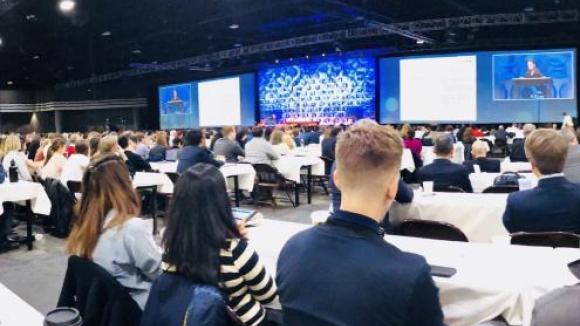
Day 3 in Chicago is hump day, the last big full day of presentations and posters. The day began with an 8AM plenary session, which brings me to the first of my three notables from today:
Read more →
My favorite session at ACR Convergence is often the “Great Debate.” The debate this year also evaluated one of my favorite topics – ultrasound in giant cell arteritis (GCA). More specifically, it asked the question of whether biopsy or ultrasound should be the preferred modality for diagnosing GCA.
Read more →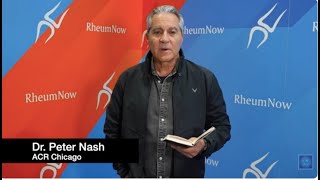
Dr. Peter Nash highlights key studies presented at the 2025 ACR Convergence meeting.
Watch video →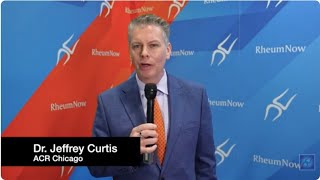
Dr. Jeffrey Curtis discusses two abstracts about the use of GLP-1 drugs and their impact beyond weight loss.
Watch video →
At ACR 2025, the session “27M02: Nutrition for Rheumatic Disease: Where Aging Biology, Sarcopenia, and Diet Intersect” invited the audience to view rheumatic disease through the lens of biological aging and to consider how nutrition and exercise can serve as integrative lifestyle interventions.
Read more →
Dr. Janet Pope reports on secrets and pearls in rheumatology, from a session presented at the 2025 ACR Convergence meeting in Chicago
Watch video →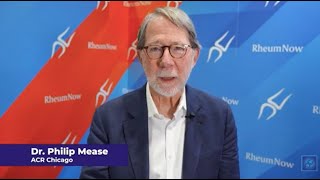
Dr. Philip Mease offers his perspective on and takeaways from CAR-T therapy studies presented this week at the 2025 ACR Convergence meeting in Chicago.
Watch video →
Axial spondyloarthritis (axSpA) remains a diagnostic challenge, particularly in its early stages before structural sacroiliitis is visible on imaging.
Read more →
Dr. Elaine Husni reports on abstract 1426 (Understanding the Drivers of BASDAI and Back Pain Scores in Psoriatic Arthritis).
Watch video →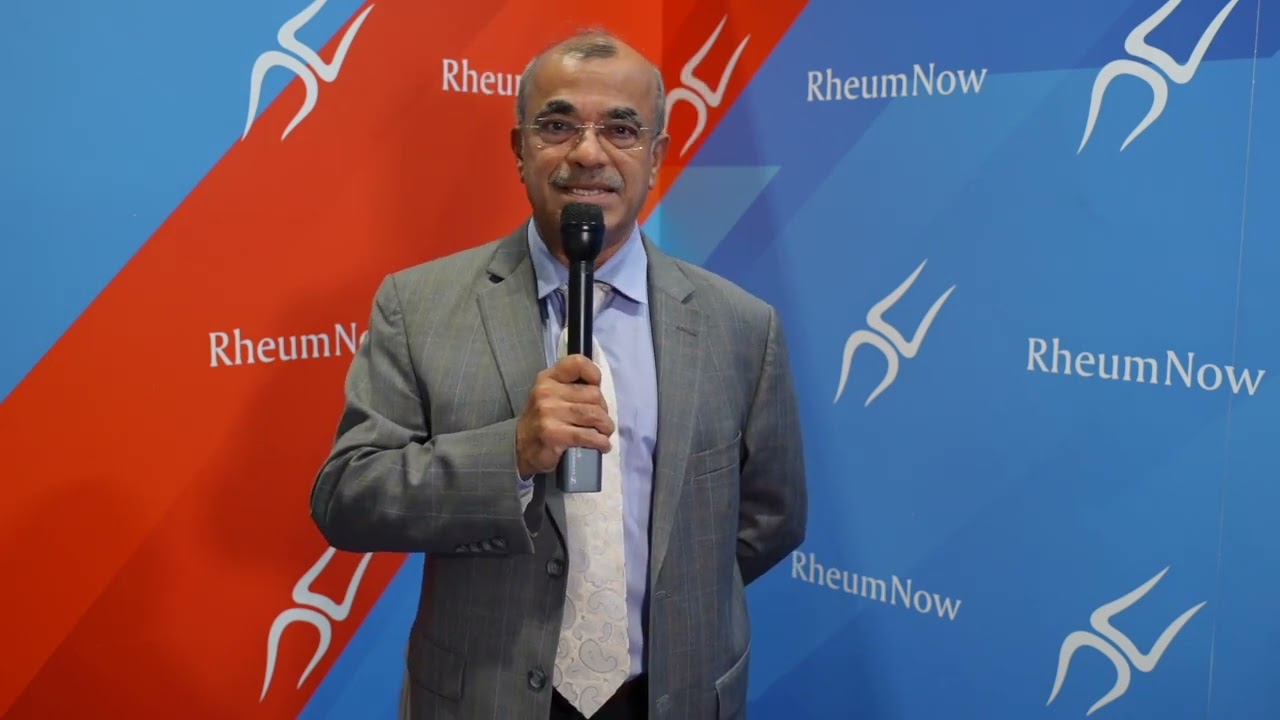
Dr. Atul Deodhar reports on plenary session abstract 0854 (The ASAS and SPARTAN Revised Classification Criteria for Axial Spondyloarthritis: Development and Validation in the Classification of Axial SpA Inception Cohort Study).
Watch video →











By downloading this material, I acknowledge that it may be used only for personal use and personal education and that I will accredit RheumNow.com as the source and owner of this material. Commercial use or mass reproduction of this material without permission from RheumNow (info@rheumnow.com) is prohibited.


