Rheumatoid Arthritis

The last day in London was exciting as both the Late-Breaking abstracts and new EULAR guidelines were presented. Guidelines presented addressed several significant unmet need areas including PMR, GCA, Takayasu’s arteritis, Vaccinations in Rheumatic patients, Imaging in spondyloarthritis and classification criteria for the Anti-Synthetase Syndrome. Here are but a few of my favorites from a list of many quality sessions.
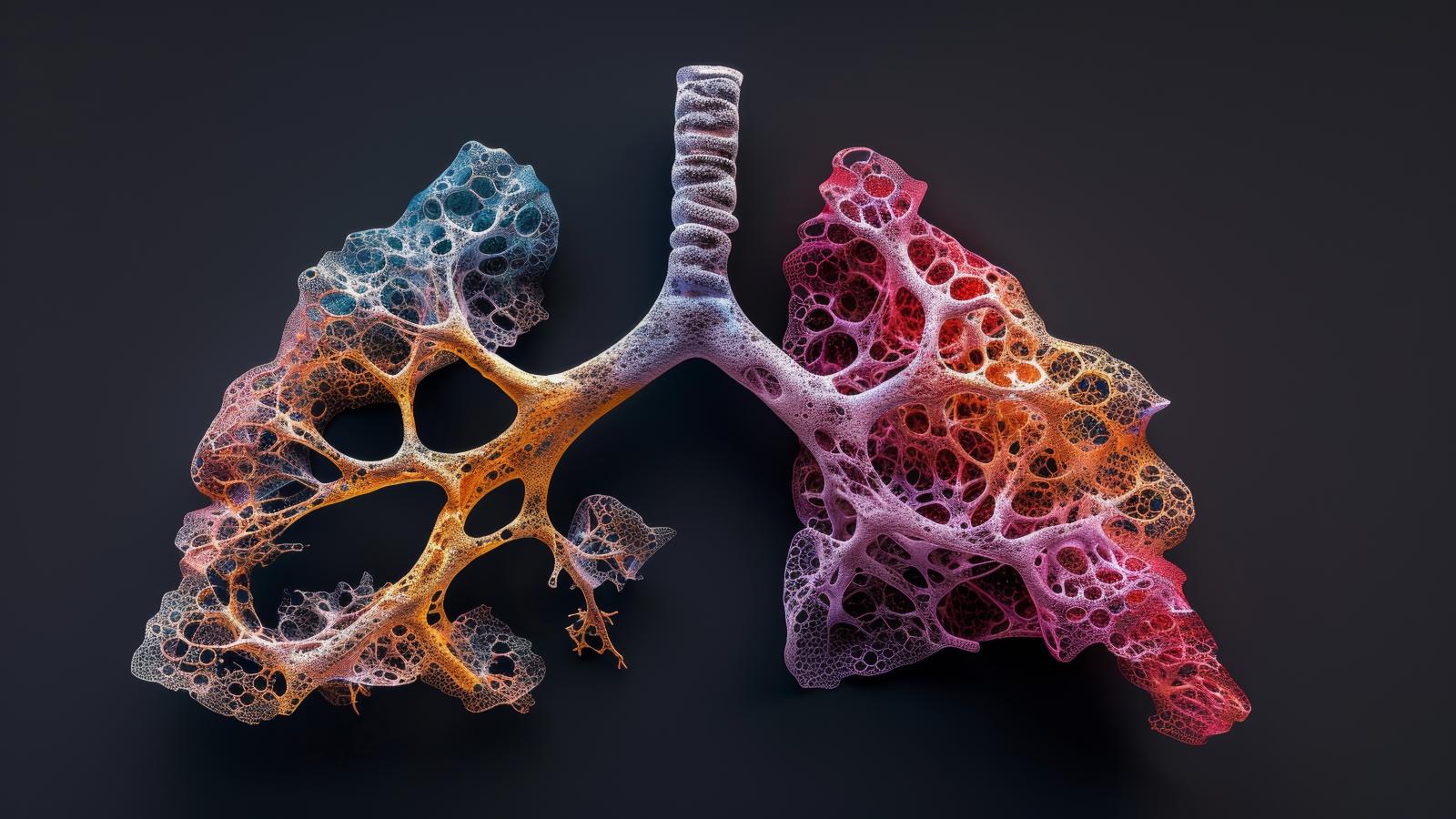
At EULAR 2026, speakers of the session “Catching Your Breath: Unravelling RA Associated Interstitial Lung Disease (ILD)” noted RA-ILD is one of the few outcomes not improving in the biologic era. Three abstracts reinforce that message and make the case for a practical, low-cost screening tool that is already in most rheumatologists’ hands.

CD19-directed CAR T-cell therapy has rapidly moved into autoimmune disease, driven in large part by striking reports in SLE, where sustained drug-free remission has raised the possibility of a true immune reset. In RA, where multiple effective therapeutic classes already exist, the relevance of such deep immune interventions remains uncertain.

Here is my summary of what EULAR 2026 is presenting to us in the field of biomarker-driven personalized care in RA.

Treatment-refractory RA is more common than we sometimes admit. Roughly 11% of patients fail multiple b/tsDMARD classes, and for the ACPA-positive subset, rituximab has long been the fallback. It works, but it rarely produces durable disease-free intervals. CD19 CAR T-cell therapy was always going to be the question that followed the SLE data. Until EULAR 2026, that question had no prospective answer. The plenary session changed that.

RA-ILD remains one of the most serious extra-articular manifestations of RA, contributing substantially to morbidity and mortality. Two abstracts presented at EULAR 2026 add important insights into identifying patients at risk for RA-ILD and understanding the genetic mechanisms that may underpin disease development.

Our therapeutic armamentarium in RA keeps on growing. New studies and new molecules, new mechanisms of action or new ways of using old drugs are presented every year at conferences. But which are the ones who can have an impact on our practice? Here is my selection of 3 abstracts presented at EULAR 2026 that identify therapeutic strategies that are well worth keeping on our radar.

People with rheumatic and musculoskeletal diseases (RMD) are at risk of a number of comorbidities, from cardiovascular diseases to cognitive impairment and fractures. The 2026 EULAR Congress showcased new data and ideas around various comorbidities and drug safety issues in people with an RMD – highlighting the need for integrated care. Here are five abstracts to consider.

Clinicians often come across the scenario of a patient with well-controlled spondyloarthritis where the ASDAS in the low disease activity range, CRP normalised, joints clinically quiet. However, the patient returns to the clinic still reporting significant pain. Their rheumatologist adjusts the biological, waits, returns. The pain persists.

Dietary interventions are rarely taken as seriously as pharmacological therapies in rheumatology. Yet patients ask about them constantly, and an increasing number of studies suggest that nutrition may influence disease outcomes. Two randomized controlled trials presented at EULAR 2026 add to this growing literature in PsA and RA. However, before we start prescribing Mediterranean diets, the data deserve a closer look.

Few topics in rheumatology have reshaped prescribing behaviour as dramatically as the safety concerns surrounding JAK inhibitors following ORAL Surveillance and the subsequent FDA and EMA warnings.

Current therapies for rheumatoid arthritis rely on sustained immunosuppression rather than restoration of immune tolerance, with off-drug remission remaining rare. Recent anecdotal reports suggest that CD19-directed chimeric antigen receptor T (CAR-T) cell therapy may be an effective approach.

Pharmaceutical companies are presenting pivotal clinical trial results and key data analyses at the EULAR 2026 Congress (June 3–6, London). Below is a summary of their most important studies — many of which are registration-enabling or will directly shape treatment decisions in rheumatic diseases.