Rheumatoid Arthritis

CAR-T therapy in autoimmune disease is moving fast - but is it ready to move beyond specialized referral centers? This EULAR 2026 recap covers the mechanistic data, relapse biology, and access innovations shaping that answer.
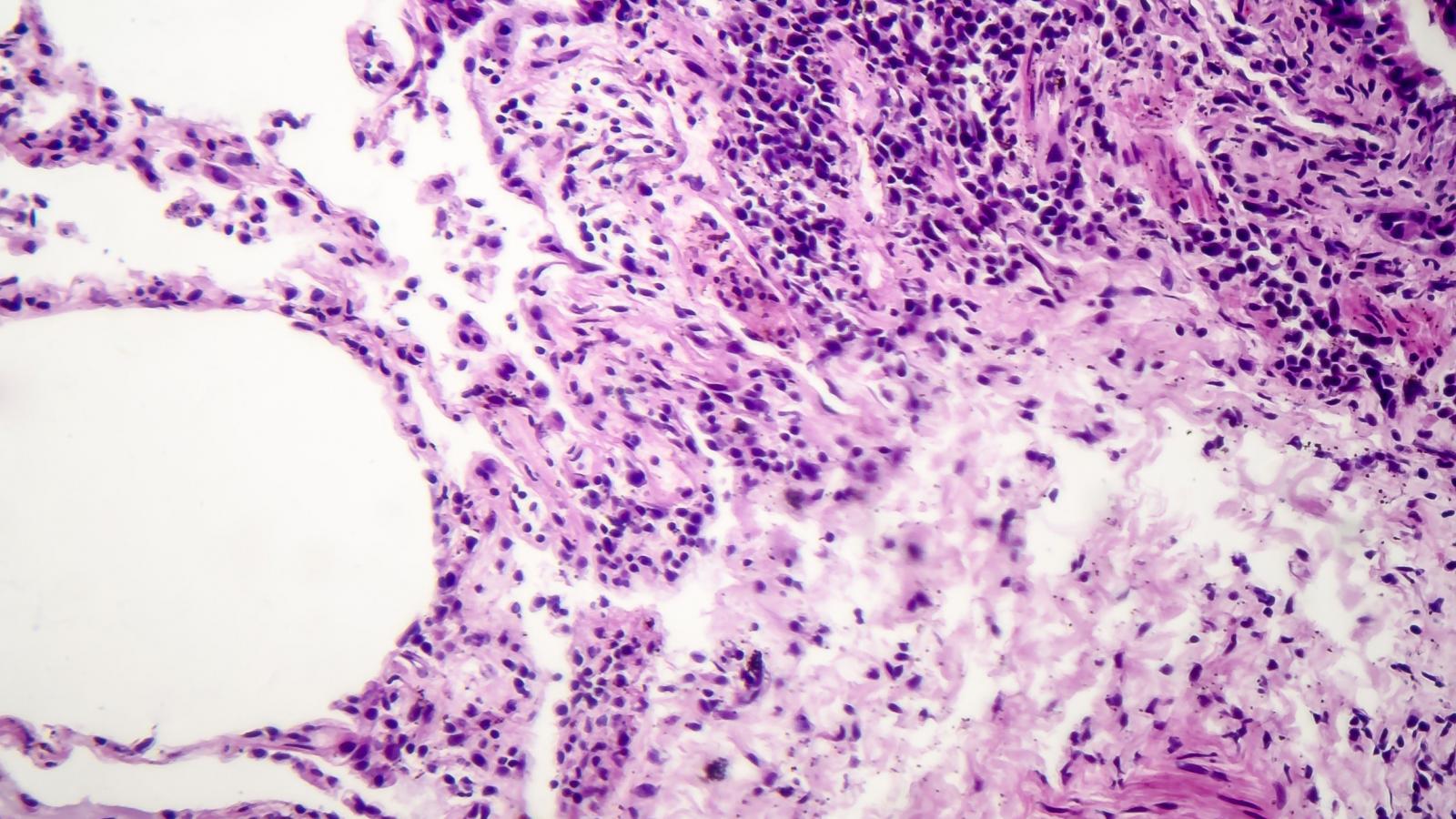
People with rheumatoid arthritis are at risk of developing interstitial lung disease (RA-ILD), which is associated with high mortality. ANCHOR-RA is a large, international cross-sectional prospective study that will enable the development of a multivariable model to help detect RA-ILD.5 Investigators enrolled 1,169 participants with rheumatoid arthritis and at least two ILD risk factors, but without known ILD.

At EULAR 2026, McCormick and Curtis et al presented data from the American College of Rheumatology’s (ACR) Rheumatology Informatics System for Effectiveness (RISE) registry on the use of GLP-1 agents in rheumatic diseases (RMD).
Systemic autoimmune diseases are associated with increased cardiovascular morbidity and mortality – possibly through autonomic imbalance, myocardial inflammation, or fibrotic infiltration of the conduction system. A team in Colombia have been looking into the risk of cardiac arrhythmias and conduction disorders in adults with systemic autoimmune diseases compared with the general population – with the aim of

Real-world or observational data from registries, claims datasets, or electronic health records can enable us to perform large-scale analyses.
Dr. Jack Cush reviews the news, journal reports and best ways to review EULAR 2026.
In an oral abstract presentation on Wednesday 3rd June, Fredrik Albach presented results for mivocabtagene autoleucel – an autologous, fully human CD19-directed CAR-T cell therapy – from Phase 1 of the prospective, open-label COMPARE trial in six patients with anti-citrullinated protein antibody (ACPA)-positive, treatment-refractory active rheumatoid arthritis.

New EULAR 2026 data show continued treat-to-target ULT beats a discontinuation strategy for maintaining gout remission (79.2% vs. 62.9% flare-free), though many who stopped still stayed flare-free. A companion study links gout and rheumatoid arthritis to distinct, adverse body fat patterns tied to higher diabetes and cardiovascular risk.
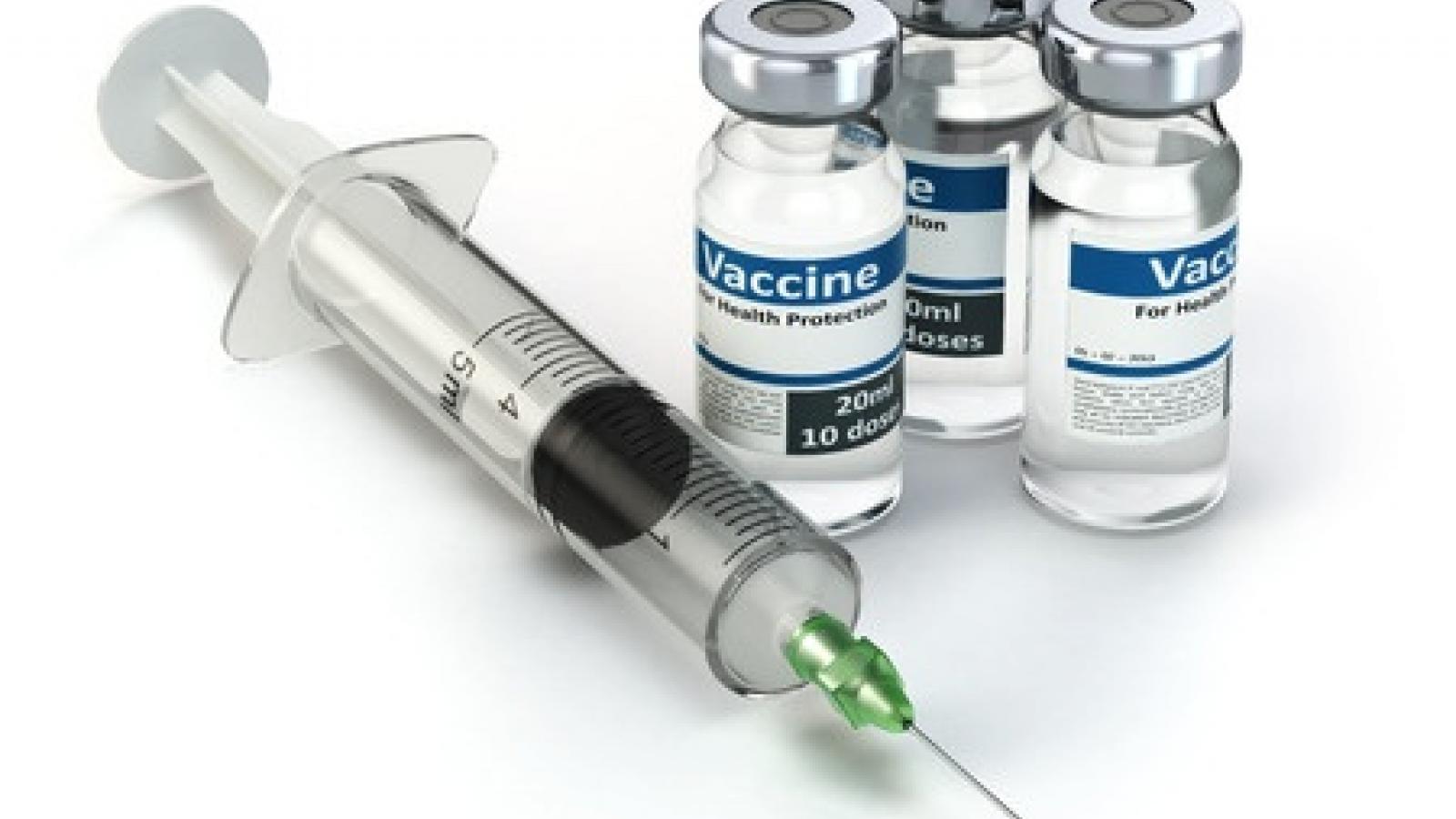
This update includes new pandemic era evidence, recombinant zoster vaccine data, and new perspectives on vaccination in patients taking novel immunosuppressants. Five overarching principles and 10 vaccine recommendations follow.

The RA-BRIDGE and RA-BRANCH studies were presented as a late-breaking abstract at EULAR 2026. This was the pooled results from two large FDA post-marketing commitment safety trials — RA-BRIDGE (global) and RA-BRANCH (US-only) — comparing baricitinib at 2 mg and 4 mg daily against TNF inhibitors (etanercept or adalimumab) in RA patients specifically enriched for venous thromboembolic event risk factors.

The EULAR 2026 Congress in London showcased growing interest in T-cell engagers as a novel strategy to achieve deep B-cell depletion and drug-free remission in refractory rheumatic and musculoskeletal diseases (RMDs).
It’s time for Rheumatology RoundUp from EULAR 2026 from London, UK. Drs. Artie Kavanaugh and Jack Cush review their choice presentations from the meeting, offering their perspectives on impact and applicability.

Much of the meeting came for the next CAR T readout. AB-101 drew attention for a different reason. It depletes B cells by a completely different route.
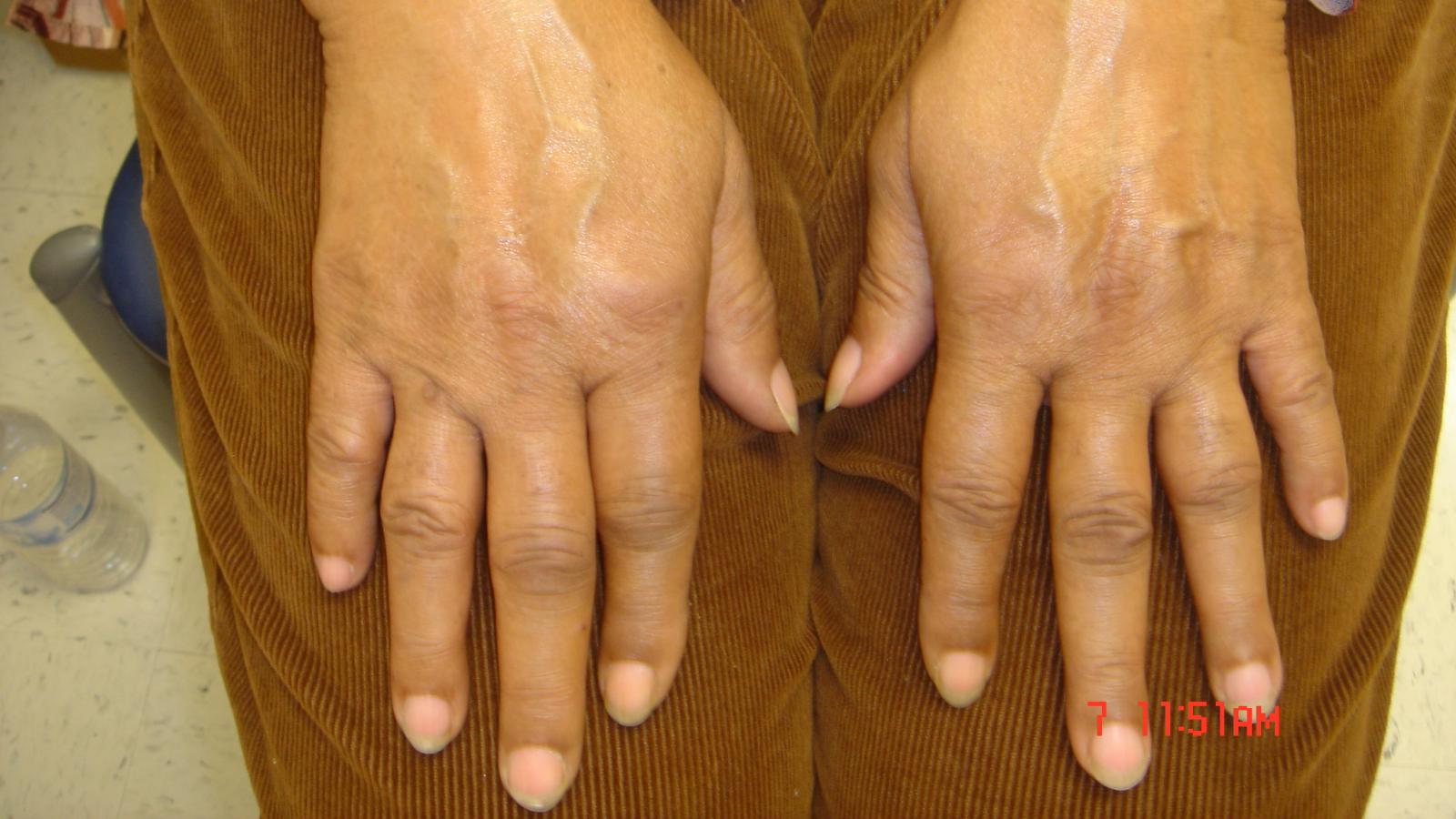
Imaging in the preclinical phase of RA is moving fast—arguably faster than our ability to interpret what we are actually seeing. Across EULAR 2026 abstracts, a consistent theme emerges: we are improving detection of subclinical inflammation, but still struggling to determine what level of detection is clinically meaningful.

Across EULAR 2026 abstracts this year and presented in a session called “this is a woman’s world”, strong signals are emerging that the menopausal transition is associated with changes in disease phenotype, disease activity, and treatment response in both RA and PsA.