

Years of IL-17 vs. IL-23 debate in PsA finally got tested head-to-head: bimekizumab outperformed risankizumab on joint outcomes in the BE BOLD trial, while a GLP-1 combination study suggests weight and metabolic status are active drivers of PsA — not just comorbidities. This recap also digs into early signals that biologic choice may influence whether psoriasis progresses to PsA, and why some well-controlled patients are still in pain.
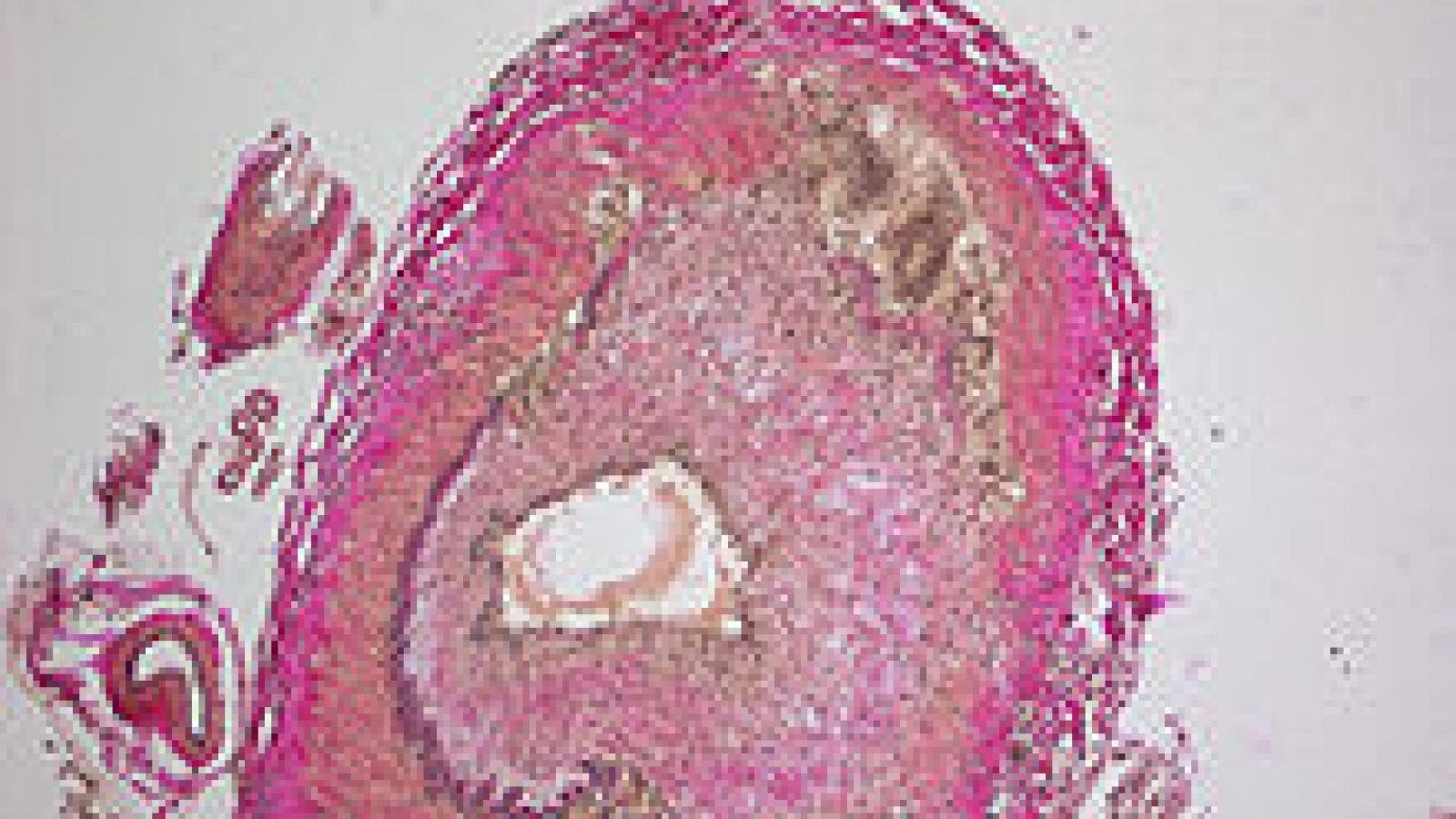
EULAR recommends a combination of glucocorticoids with either rituximab or cyclophosphamide for remission induction in life-threatening or organ-threatening AAV, followed by gradual tapering of glucocorticoids.

At EULAR 2026, McCormick and Curtis et al presented data from the American College of Rheumatology’s (ACR) Rheumatology Informatics System for Effectiveness (RISE) registry on the use of GLP-1 agents in rheumatic diseases (RMD).
Systemic autoimmune diseases are associated with increased cardiovascular morbidity and mortality – possibly through autonomic imbalance, myocardial inflammation, or fibrotic infiltration of the conduction system. A team in Colombia have been looking into the risk of cardiac arrhythmias and conduction disorders in adults with systemic autoimmune diseases compared with the general population – with the aim of

Real-world or observational data from registries, claims datasets, or electronic health records can enable us to perform large-scale analyses.
Dr. Jack Cush reviews the news, journal reports and best ways to review EULAR 2026.

In an oral abstract presentation on Wednesday 3rd June, Fredrik Albach presented results for mivocabtagene autoleucel – an autologous, fully human CD19-directed CAR-T cell therapy – from Phase 1 of the prospective, open-label COMPARE trial in six patients with anti-citrullinated protein antibody (ACPA)-positive, treatment-refractory active rheumatoid arthritis.
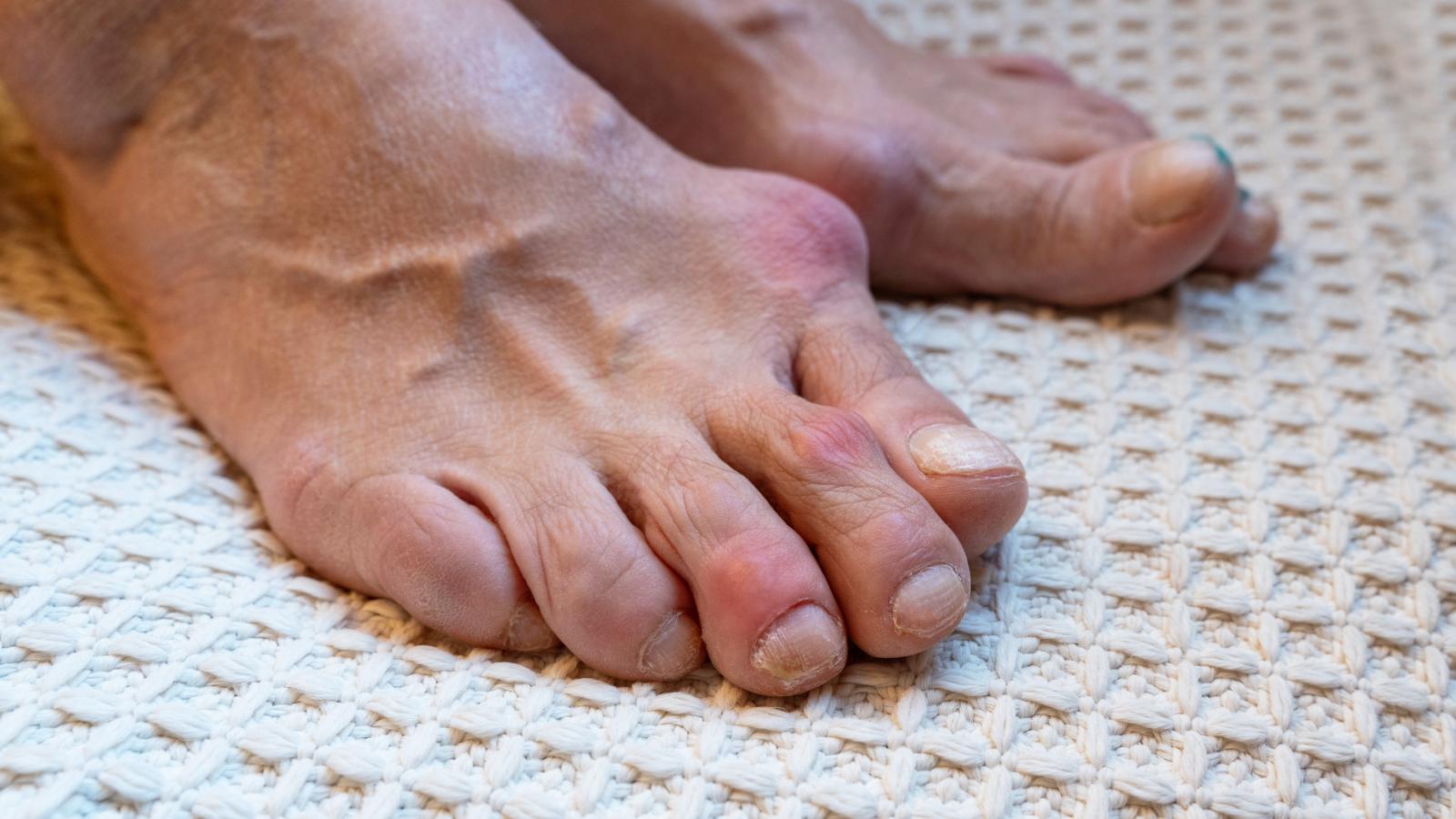
New EULAR 2026 data show continued treat-to-target ULT beats a discontinuation strategy for maintaining gout remission (79.2% vs. 62.9% flare-free), though many who stopped still stayed flare-free. A companion study links gout and rheumatoid arthritis to distinct, adverse body fat patterns tied to higher diabetes and cardiovascular risk.

On the final day of EULAR 2026, Mukhtyar et al (on behalf of a large international task force) presented the updated EULAR recommendations for management of polymyalgia rheumatica (PMR), giant cell arteritis (GCA), and Takayasu arteritis (TAK). There were 5 overarching principles and 12 recommendations.

The RA-BRIDGE and RA-BRANCH studies were presented as a late-breaking abstract at EULAR 2026. This was the pooled results from two large FDA post-marketing commitment safety trials — RA-BRIDGE (global) and RA-BRANCH (US-only) — comparing baricitinib at 2 mg and 4 mg daily against TNF inhibitors (etanercept or adalimumab) in RA patients specifically enriched for venous thromboembolic event risk factors.
It’s time for Rheumatology RoundUp from EULAR 2026 from London, UK. Drs. Artie Kavanaugh and Jack Cush review their choice presentations from the meeting, offering their perspectives on impact and applicability.

CAR-T at #EULAR2026 raised as many questions as it answered. Here's what we know, what we're still asking, and why the answers matter.

Dr. Sun et al. from Duke University presented abstract POS0692 during one of the poster sessions entitled, “Lupus patients with concurrent inflammatory activity and symptom burdens have the lowest medication adherence and experience distinct adherence barriers.” They evaluated differences in self-reported medication adherence and reasons for nonadherence across Type 1 & 2 SLE classification groups, with a prespecified focus on comparing

The last day in London was exciting as both the Late-Breaking abstracts and new EULAR guidelines were presented. Guidelines presented addressed several significant unmet need areas including PMR, GCA, Takayasu’s arteritis, Vaccinations in Rheumatic patients, Imaging in spondyloarthritis and classification criteria for the Anti-Synthetase Syndrome. Here are but a few of my favorites from a list of many quality sessions.

CD19-directed CAR T-cell therapy has rapidly moved into autoimmune disease, driven in large part by striking reports in SLE, where sustained drug-free remission has raised the possibility of a true immune reset. In RA, where multiple effective therapeutic classes already exist, the relevance of such deep immune interventions remains uncertain.


