Years of IL-17 vs. IL-23 debate in PsA finally got tested head-to-head: bimekizumab outperformed risankizumab on joint outcomes in the BE BOLD trial, while a GLP-1 combination study suggests weight and metabolic status are active drivers of PsA — not just comorbidities. This recap also digs into early signals that biologic choice may influence whether psoriasis progresses to PsA, and why some well-controlled patients are still in pain.

CAR-T therapy in autoimmune disease is moving fast - but is it ready to move beyond specialized referral centers? This EULAR 2026 recap covers the mechanistic data, relapse biology, and access innovations shaping that answer.
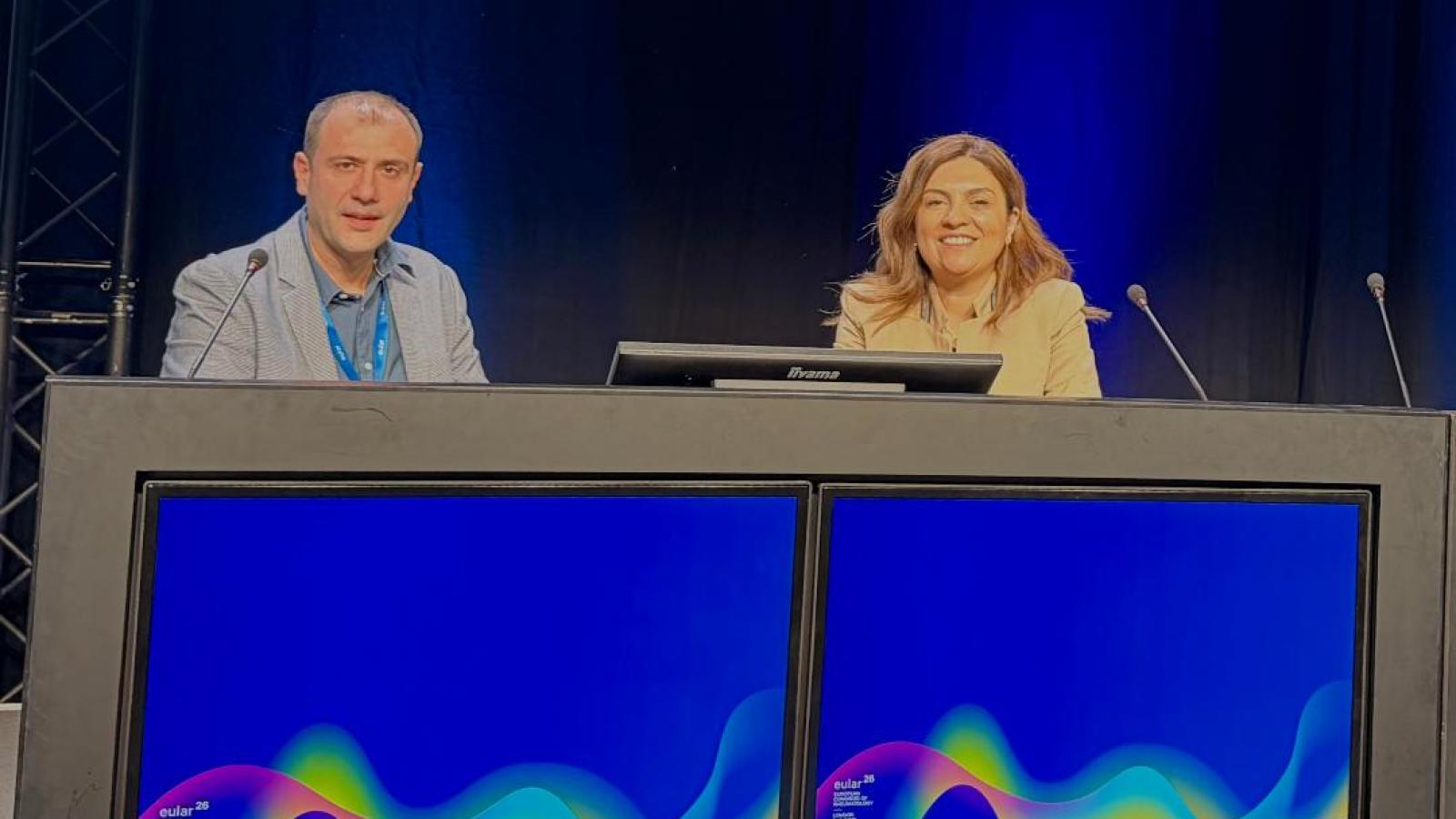
It’s time for Rheumatology RoundUp from EULAR 2026 from London, UK. Drs. Artie Kavanaugh and Jack Cush review their choice presentations from the meeting, offering their perspectives on impact and applicability.

CAR-T at #EULAR2026 raised as many questions as it answered. Here's what we know, what we're still asking, and why the answers matter.
Much of the meeting came for the next CAR T readout. AB-101 drew attention for a different reason. It depletes B cells by a completely different route.

MAS, the most severe complication of Still’s disease, is increasingly recognized as a cytokine-driven hyperinflammatory state centered on interferon gamma (IFNγ). Therapeutic advances presented at EULAR 2026 demonstrate both consolidation of established pathways and expansion into novel biologic strategies.

The Janus kinase inhibitor (JAKi) class has been increasingly used in the management of axial spondyloarthritis (axSpA) over the past five years, offering effective oral alternatives to injectable biologics. But are all JAK inhibitors the same?

B-cell targeting has moved to the centre of IgG4-related disease treatment, with inebilizumab, a CD19 depleter, as the recent benchmark. At EULAR 2026, INDIGO tested whether the disease can be controlled by switching B cells off rather than depleting them.
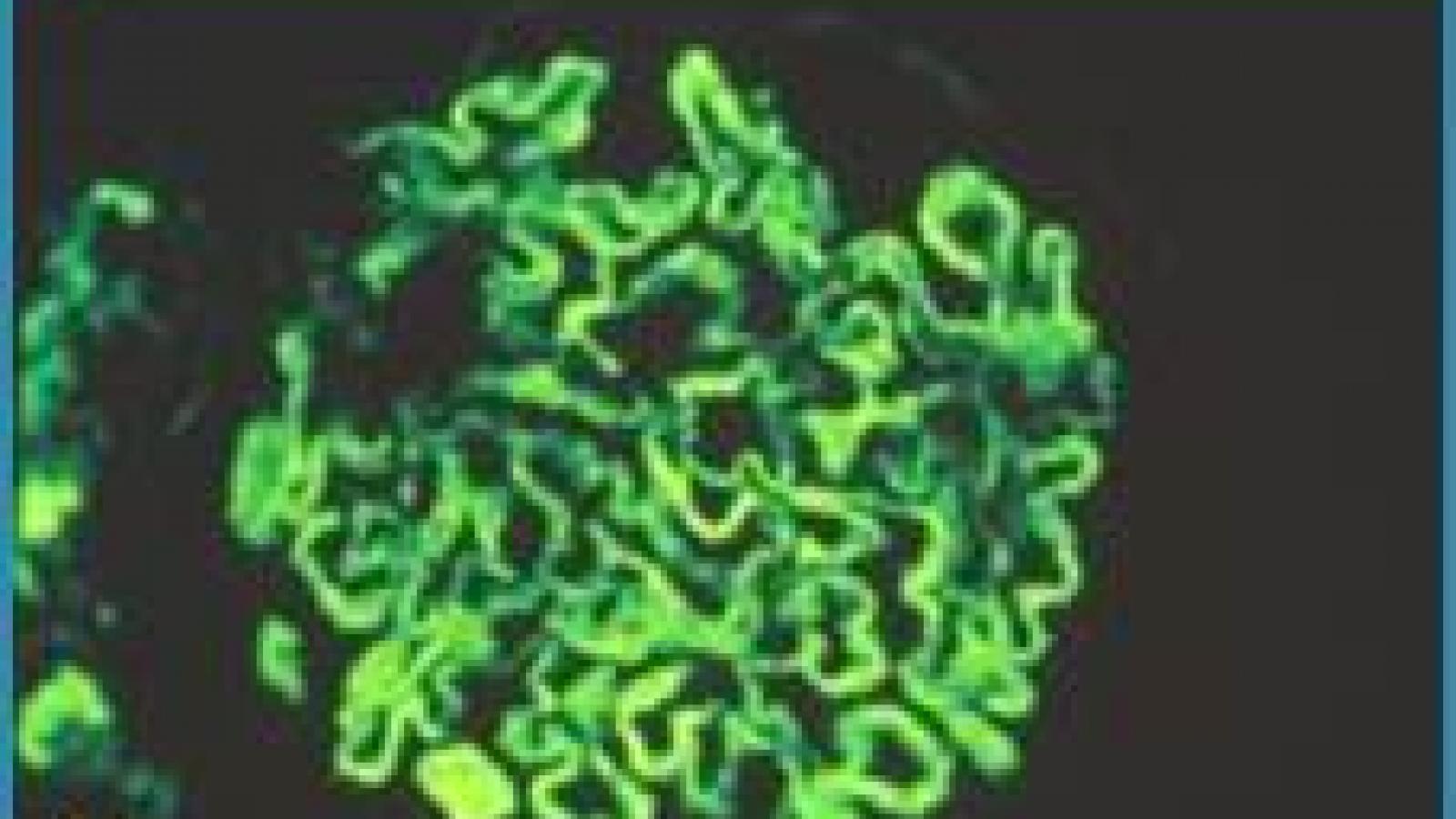
At EULAR 2026, investigators are presenting perhaps the most biologically compelling data yet from the REGENCY trial, with evidence that obinutuzumab induces deep intrarenal B-cell depletion alongside markedly higher rates of histological remission.

CD19-directed CAR T-cell therapy has rapidly moved into autoimmune disease, driven in large part by striking reports in SLE, where sustained drug-free remission has raised the possibility of a true immune reset. In RA, where multiple effective therapeutic classes already exist, the relevance of such deep immune interventions remains uncertain.
Five years on, are we closer to licensing of the first CAR-T therapy in rheumatic and musculoskeletal diseases (RMD)?
At EULAR 2026, Dr Nikolaos Kougkas presented data from a unique real-world cohort built within joint dermatology–rheumatology university centers, following 394 patients with psoriasis on bDMARDs for up to 17 years. We sat down with Dr Kougkas to unpack the methodology, challenge the results, and draw out the clinical implications for everyday practice.
The approach to the treatment of peripheral SpA has been the same for a long time. The guidelines recommend starting with NSAIDs, escalate to conventional synthetic DMARDs, typically sulfasalazine or methotrexate and reserve biologics for patients who fail those. According to a new phase 3 trial presented at EULAR 2026, there may be a different way to approach this.

At EULAR 2026, two large phase 3 studies highlight that the JAK story in axSpA is still evolving rapidly, with different selectivity profiles and expanding global development programs continuing to push the field forward.
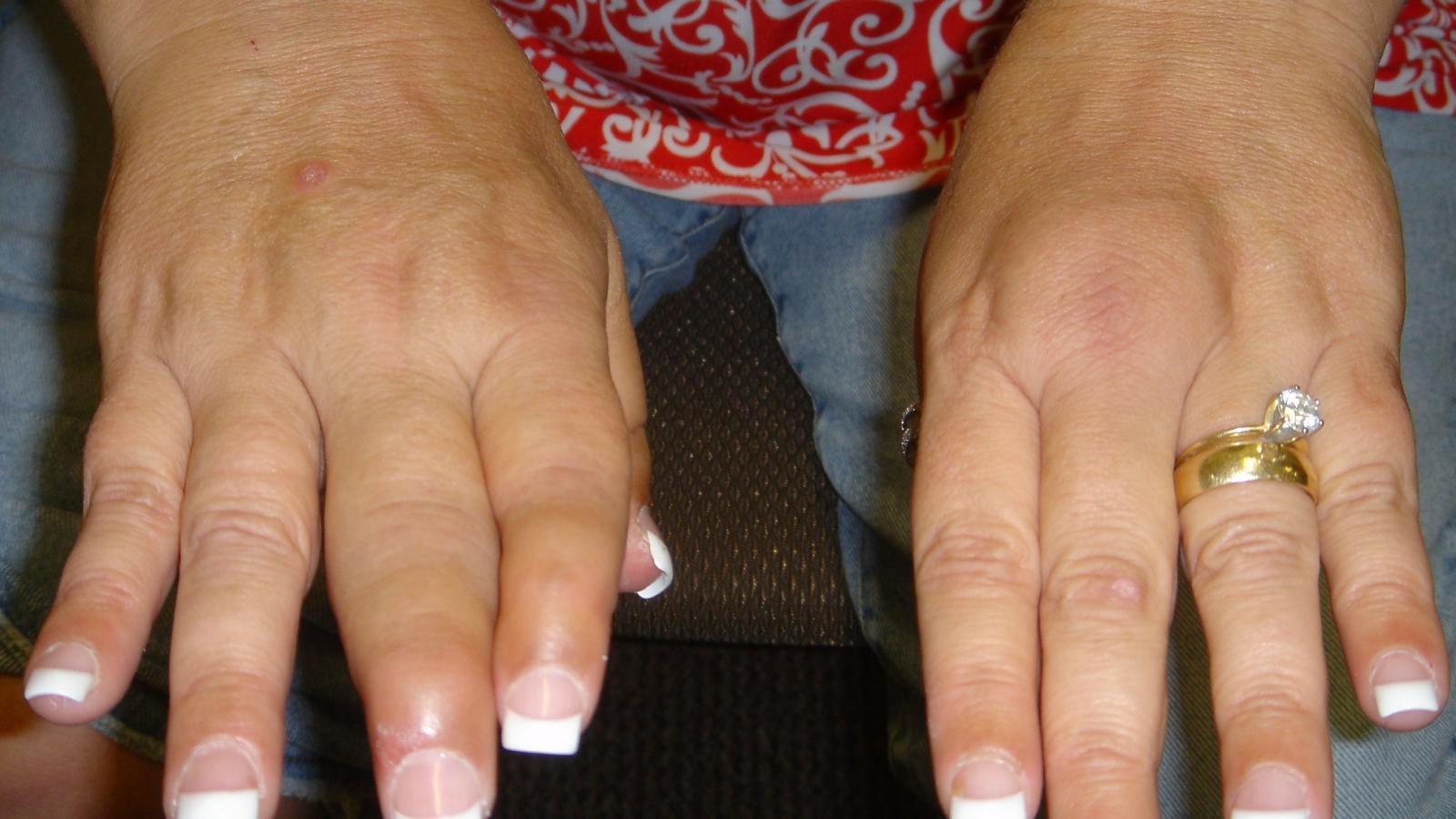
At the "What Is New in Psoriatic Arthritis" session at EULAR 2026, Professor Dennis McGonagle (Leeds, UK) took the audience on a whirlwind yet compact tour of the field, touching on three themes: the pathophysiology of PsA, individualization of clinical management, and emerging research and future directions.