

All News

RheumNow Podcast – Enough Already with Weaning (6.19.20)
Dr. Jack Cush reviews the news and journal reports from the past week on RheumNow.com.
Read Article
Year of the Wolf: Lupus at EULAR2020
For a disease that has been recognized since the days of Hippocrates, we are finally making some progress towards understanding systemic lupus erythematosus (SLE) and how to tame the wolf. Listed below are the top 5 studies and their summaries presented at the recent EULAR e-Congress confer
Read Article
Serum calprotectin: a better biomarker in ANCA-associated vasculitis?
Flares in ANCA-associated vasculitis are difficult to predict, but serum calprotectin may help predict relapse and renal failure, according to data presented at the EULAR 2020 virtual meeting this week.

TNR Grand Rounds - Update on Biosimilars
This week's Tuesday Nite Rheumatology featured Dr Jonathan Kay (U Mass) who gave an update on Biosimilars and took questions the subject. The program was moderated by Dr. Jack Cush.
Read Article
RheumNow Podcast - Rheumatic Patients with COVID (5.29.20)
Dr. Jack Cush reviews the news and journal articles from the past week on RheumNow.com.
Read Article
RheumNow Podcast - COVID Kids and Men (5.15.20)
Dr. Jack Cush reviews the news and journal articles from the past week on RheumNow.com.
Read Article
RheumNow Podcast – The Beat Goes On (5.8.20)
Dr. Jack Cush reviews the news and journal reports from the past week on RheumNow.com.

German Society of Rheumatology COVID Pandemic Recommendations
The Annals of Rheumatic Disease has published the preliminary recommendations of the German Society of Rheumatology for the management of Inflammatory rheumatic diseases patients during the SARS-CoV-2/Covid-19 pandemic.
These preliminary recommendations are based on an expert consensus from 17 experienced German rheumatologists.
RheumNow Podcast – In Times of Trouble (4.24.20)
Dr Jack Cush reviews the news, journal reports, twitter feed and COVID developments from the past week on RheumNow.com
Read Article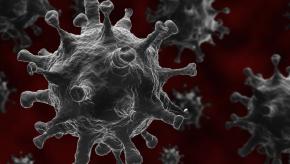
COVID-19 Systemic Involvement
The presentations of the COVID-19 infection have been clearly chronicled with the worrisome onset of sore throat, dry cough, loss of smell and taste with fevers, myalgias, fatigue and the worrisome progression of pulmonary involvement in a minority. Lab findings may include a leukocytosis,
Read Article
RheumNow Podcast – The Beginning of Something Else (4.10.20)
Dr Jack Cush reviews the news and journal reports from the past week on RheumNow.com
Read Article
TNR - Grand Rounds: Safety of Biologics & New Agents
On Tuesday, April 7th, RheumNow hosted its first Tuesday Nite Rheumatology webinar - kicking off a two-month series of Rheumatology Grand Rounds lectures. The first session featured Jack Cush, MD (UT Southwestern) who lectured on "The Safety of Biologics and Newer Agents".
Read Article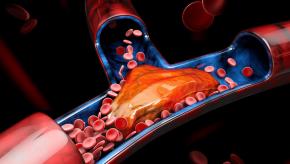
EMA Final Recommendations on VTE Risk with Tofacitinib
On 14 November 2019 the European Medicines Agency (EMA) concluded that Xeljanz (tofacitinib) could increase the risk of blood clots in the lungs and in deep veins in patients who are already at high risk. These recommendations have been formally published and are intended for EU nation
Read Article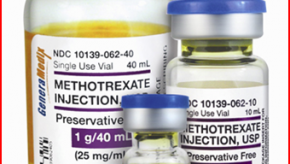
Adverse Effects of Low-Dose Methotrexate from the CIRT Trial
Low-dose methotrexate (LD-MTX) was studied in high risk cardiac patients in the cardiac intervention trial (CIRT), but was prematurely ended for not showing a change in cardiovascular event rates. Nonetheless this trial studied the safety and adverse event rates of LD-MTX and those results are reported in the current issue of Annals of Internal Medicine.

Biosimilars for Rheum Disease: Failure to Launch
The availability of biologic biosimilars has thus far had negligible impact on prescribing practices in the United States, in stark contrast to what has been observed in some European countries, researchers reported.
Read Article
Links:
Dr. John Cush RheumNow ( View Tweet)
Dr. John Cush RheumNow ( View Tweet)
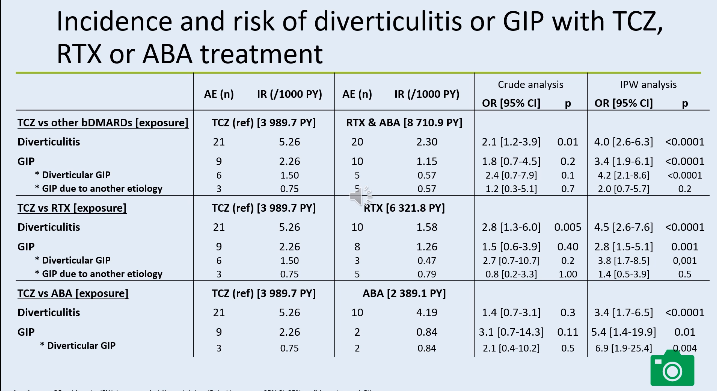
Links:
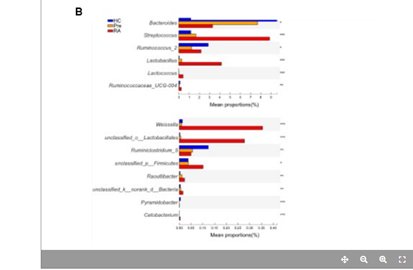

Links:
Dr. Rachel Tate uptoTate ( View Tweet)

