
Article
Dr. Jack Cush reviews and discusses the news and journal reports from the past week on RheumNow.com.

Search for Terms or Answers
Dr. Jack Cush reviews and discusses the news and journal reports from the past week on RheumNow.com.

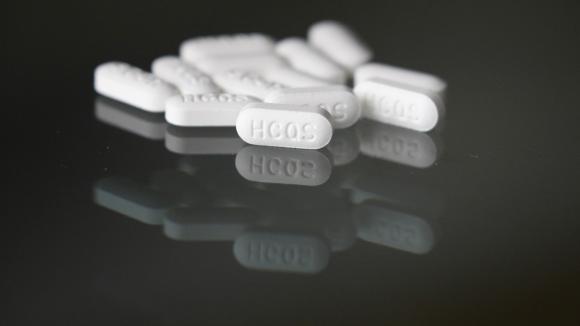
There is a preponderance and mounting evidence that hydroxychloroquine is ineffective in COVID-19 infection; and now the NEJM reports a the results of a trial where HCQ given as post-COVID exposure therapy failed to prevent SARS-CoV-2 infection or symptomatic Covid-19 in healthy persons.
The FDA has notified healthcare professionals of a safety alert concerning tofacitinib (Xeljanz), noting that preliminary results from a long-term safety clinical trial show an increased risk of serious heart-related problems and cancer with tofacitinib (compared to adalimumab) when given to
For a variety of reasons, the use of anti-malarials (chloroquine and hydroxychloroquine) rose dramatically in the pandemic; notable was the lack of proven benefit and the dramatic risk in reported adverse drug reactions (ADRs) associated with these drugs being used to treat SARS-CoV-2.

The infliximab biosimilar CT-P13, developed by Celltrion and marketed as Remsima has been approved by HealthCanad for subcutaneous (SC) use in all the indications for infliximab.
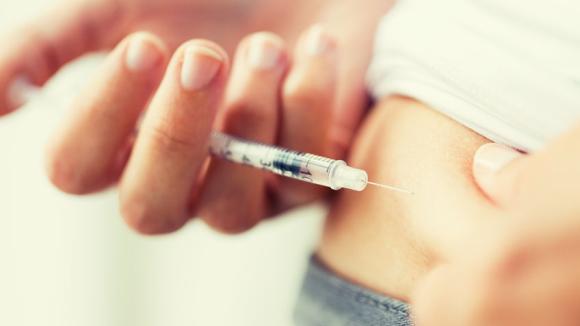
Lancet Rheumatology has reported the results of a proof of concept trial, wherein vagal nerve stimulation was shown to ameliorate RA disease activity. The intervention involved non-invasive stimulation of the auricular branch of the vagus nerve using a wearable vagus nerve stimulation device for up to 30 min per day, delivering pulses of 20 kHz.

Dr. Jack Cush reviews this past week's journal articles and news features on RheumNow.com. Colchicine, vaccine rollout, risk of RA in endometriosis patients, tREACH trial, lupus nephritis news, rheumatology burnout and more.
Predictive modeling of data derived from the DANBIO registry (of treated IMID patients) revealed a 4 fold increased risk of serious infection (SIE) in those starting biologic DMARD (bDMARD) treatment. From this large dataset, researchers developed a simple prediction model to estimate future infection risk that may inform shared decision-making in individual patients.
A systematic review by Urowitz and colleagues examined placebo responses in randomized controlled trials of non-renal, non-neuropsychiatric SLE patients showing unexpectedly high placebo responses; with more than one-third of the placebo-treated SLE patients responding by validated outcome measures.

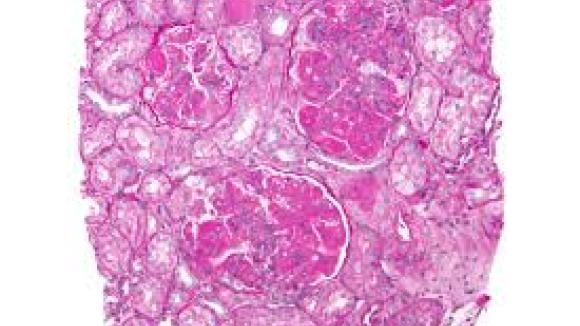
Kidney International reports on a series of systemic lupus erythematosus (SLE) patients, who despite inactive urinary sediment and low level proteinuria, had a high rate of glomerulonephritis (GN) proven by renal biopsy; moreover, the LN was not predicted by laboratory abnormalities.
Pfizer announced results Wednesday from its FDA-mandated postmarketing safety study of tofacitinib (Xeljanz), and they don't bode well for the drug and possibly others in its class.
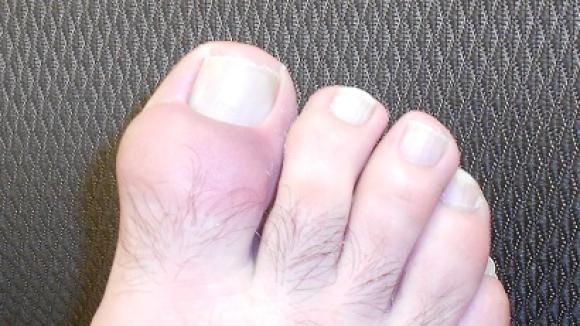
Acute gout has its well defined protocols, and most state that urate lowering therapy (ULT) should be continued; but does ULT affect outcomes in an acute gout attack?
The 2021 Medscape Survey on Physician burnout ranks rheumatology second, just behind Critical Care medicine.
The survey included over 12,000 physcians from 20 specialties. While 42% of MDs claimed to be burnt-out, Rheumatologists claimed this 50% of the time. The top 3 this year were Critical care (51%), Rheumatology (50%) and infectious disease (49%).

A press release from Montreal Heart Institute announced that the COLCORONA clinical trial provided evidence of the protective effect of colchicine; demonstrating a 21% reduced risk of death or hospitalizations in patients with COVID-19 compared to placebo. COLCORONA trial was a contact-less, randomized, double-blind, placebo-controlled study of 4,488 non-hospitalized patients from Canada, the U.S., Europe, South America and South Africa.


By downloading this material, I acknowledge that it may be used only for personal use and personal education and that I will accredit RheumNow.com as the source and owner of this material. Commercial use or mass reproduction of this material without permission from RheumNow (info@rheumnow.com) is prohibited.


