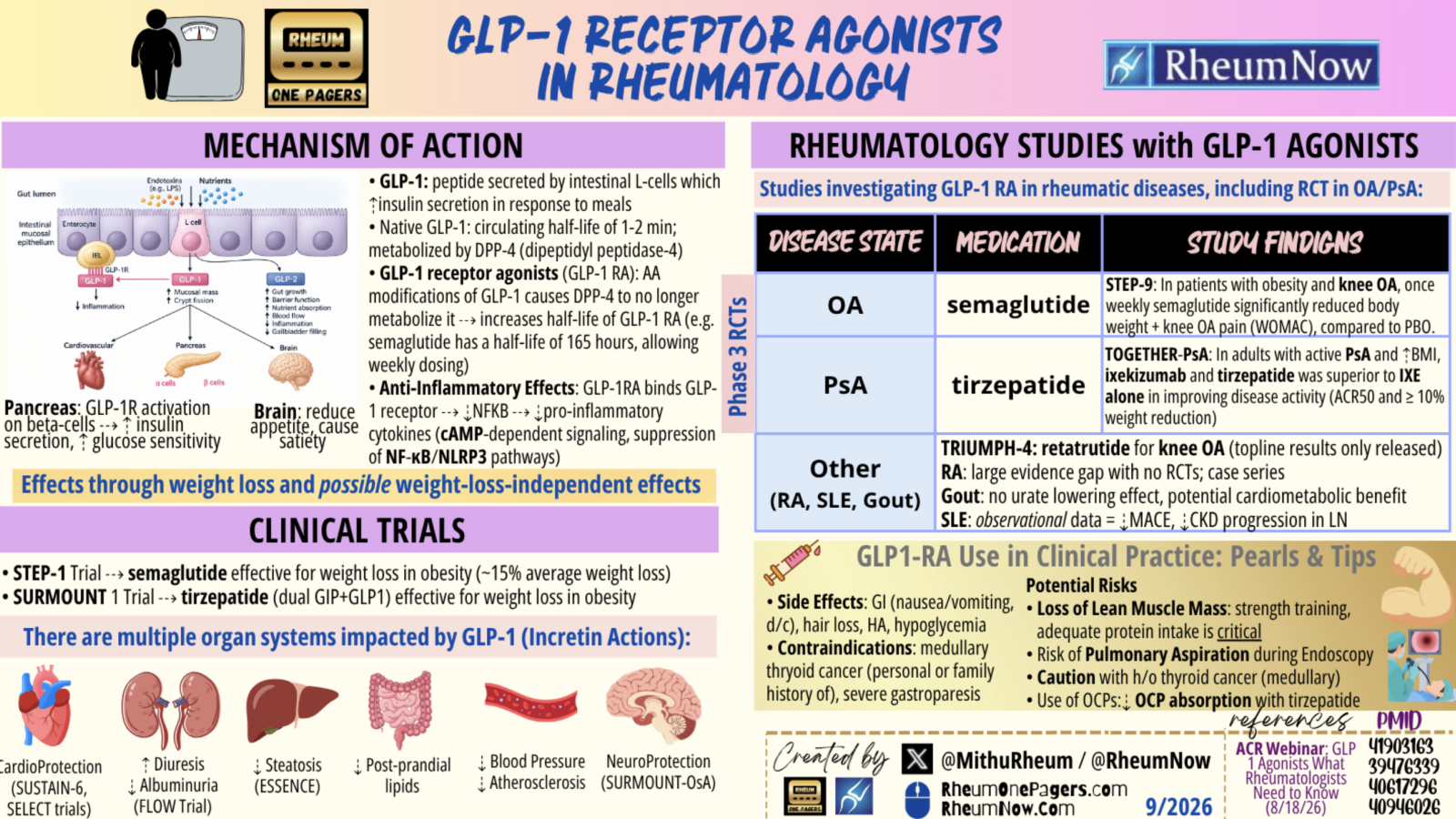

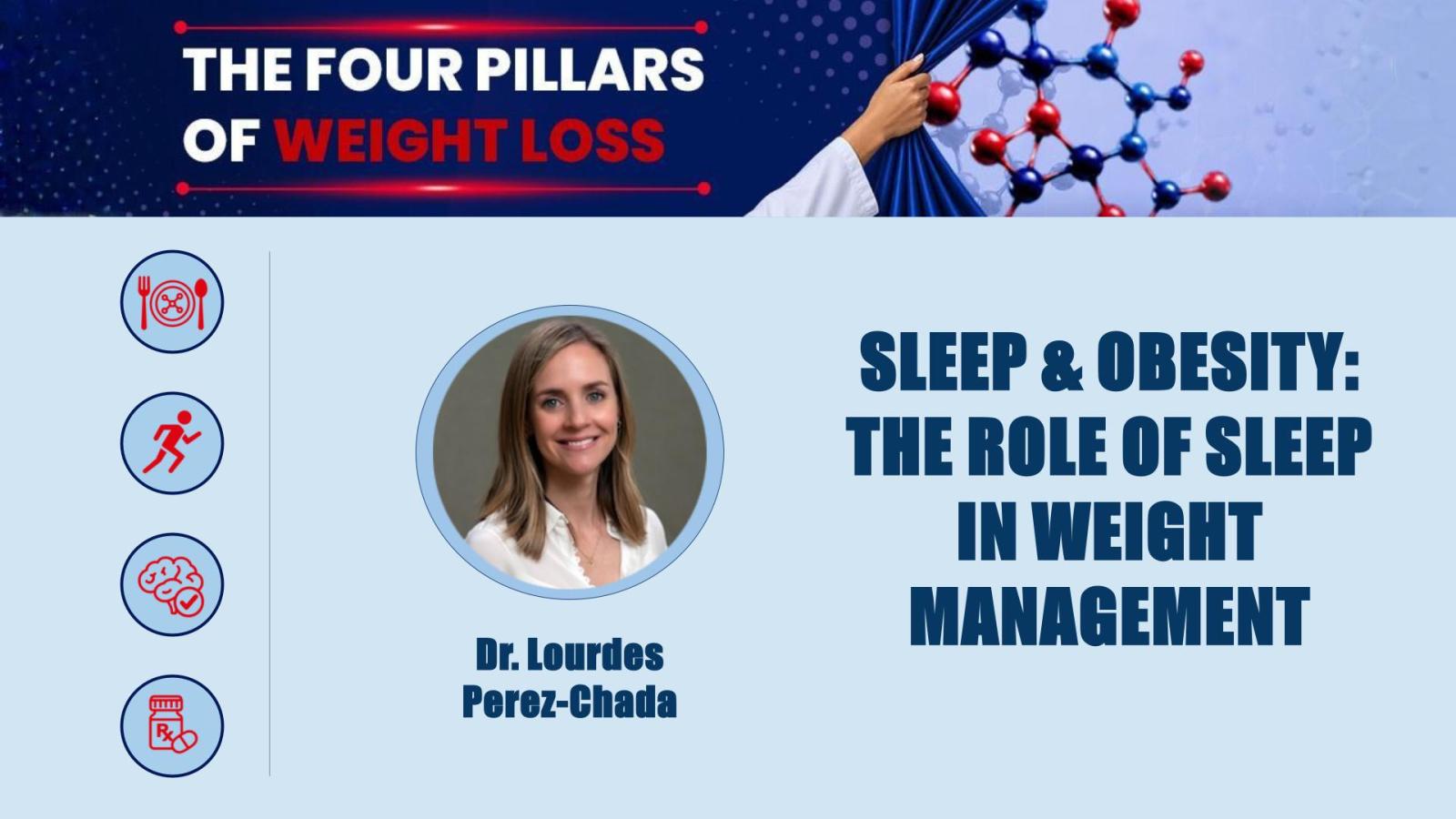
The Four Pillars of Weight Loss
RheumNow

Search for Terms or Answers

Dr. Jack Cush reviews the journal articles and regulatory announcements from this past week on RheumNow, including: two crystals in one joint, twice the cryptococcus risk in JAKs; Myositis and Scleroderma; and Sjögren’s plus early damage = >> 2 fold risk lymphoma. Double trouble week





Dr. Jack Cush reviews this week's news from RheumNow.com, including: placebo trumps controversial therapies, the dynamics of disease activity, fuse the big toe, and patients don’t appreciate being told “it's all in your head”!
In honor of World Arthritis Day (Oct. 12th), The Lancet has published a public Health Policy report is to "outline a globally relevant roadmap to address the osteoarthritis identity problem, focusing on health policy responses."


On this week's podcast, Dr. Jack Cush reviews the news: Steroids are easy to start and hard to stop; hold the MTX but not the biologic or JAK, weighing in on avacopan, and age-old messages for old-age patients.

The EBR Journal Club Companion applies my adapted version of the JAMA approach to critical appraisal. Each review covers four domains: Does this apply to my patients? What is the risk of bias? How great are the benefits and harms? And what didn’t they show me? Feel free to use this in your own



Dr. Jack Cush reviews the news and journal articles from the past week on RheumNow.com.
There is no doubt it is an incredibly exciting time to be tackling obesity-related diseases, like many rheumatic diseases appear to be, to some extent. However, deep down, a part of us must dread adding yet another conversation to a crowded consultation. One of two things has to happen: we

That promised land of substantive weight loss comes within it the illusion of better disease control and, for inflammatory arthritis patients, the possibility of reducing the burden of regular medicines - often driven by the patient, with or without telling you. It is a dream worth aspiring to

When Ms. RS came into my clinic for a new patient evaluation, she was suffering from highly active skin disease, joint swelling, pain and poor mobility. Her body mass index was 46, indicating class III obesity. A treatment plan focused solely on her inflammatory disease without addressing her

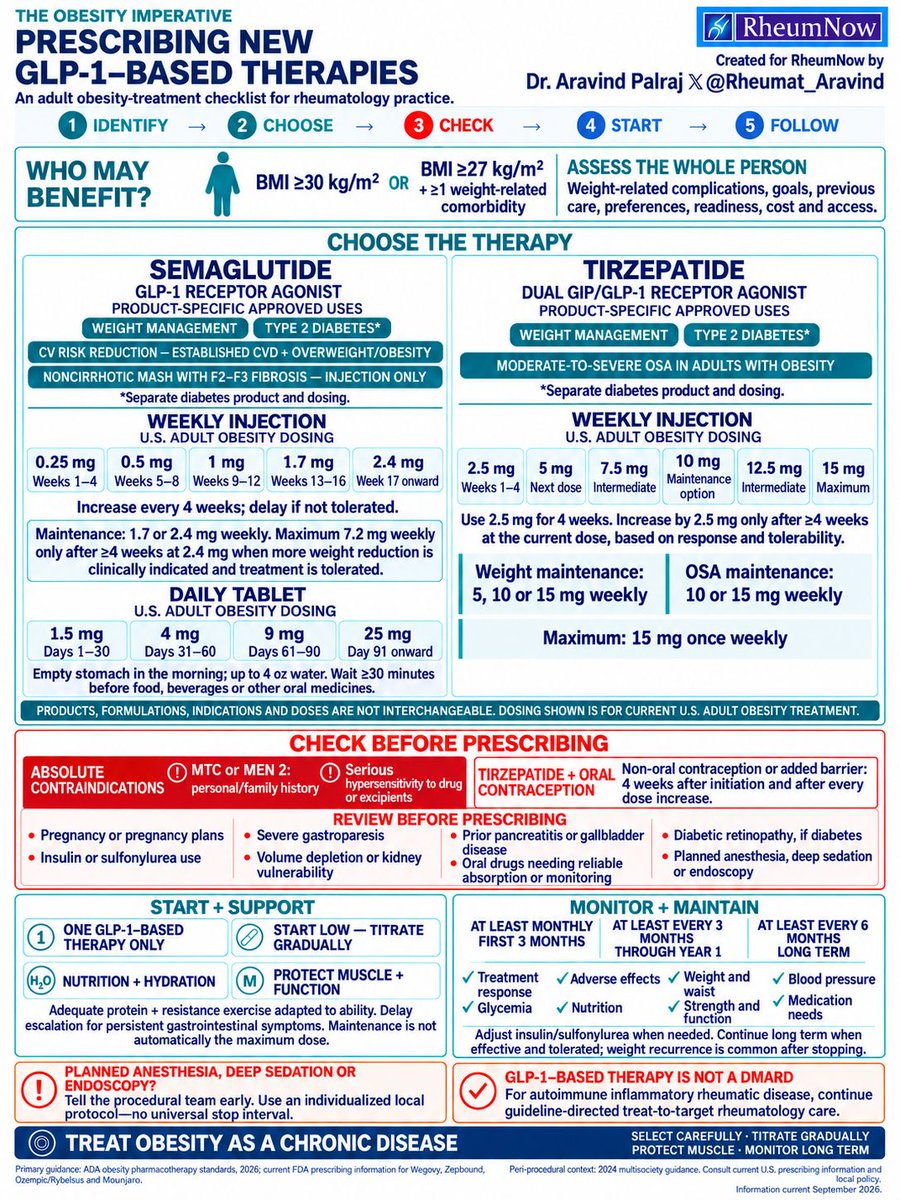

Annals of Internal Medicine has published the updated 2025 U.S. Department of Veterans Affairs and U.S. Department of Defense Clinical Practice Guidelines on adult Overweight and Obesity management. Here is a review of the guidelines, including five key takeaways for rheumatologists.



The costs of GLP-1 agonists must come down in order to make these treatments available to the people who need them - including many people with rheumatologic diseases.


By downloading this material, I acknowledge that it may be used only for personal use and personal education and that I will accredit RheumNow.com as the source and owner of this material. Commercial use or mass reproduction of this material without permission from RheumNow (info@rheumnow.com) is prohibited.