5-Year Results of an IL-23 Inhibitor in Patients With PsA
Sponsored by AbbVie Medical Affairs + Health Impact

Search for Terms or Answers


Dr. Jack Cush reviews the journal articles and regulatory announcements from this past week on RheumNow, including: two crystals in one joint, twice the cryptococcus risk in JAKs; Myositis and Scleroderma; and Sjögren’s plus early damage = >> 2 fold risk lymphoma. Double trouble week

Professor van Vollenhoven has compiled a state-of-the-art review on lupus treatment advances – current and future. SLE management is entering an unprecedented phase.

This edition: REPLENISH (secukinumab in polymyalgia rheumatica). The EBR Journal Club Companion applies my adapted version of the JAMA approach to critical appraisal to an important RCT in rheumatology. Each review covers four domains: Does this apply to my patients? What is the risk of bias?

Most patients with rheumatoid arthritis (RA) whose initial treatment used a stringent treat-to-target strategy in a clinical trial were in remission 10 years later, with only modest radiographic progression over that time, researchers said.


Systemic sclerosis (SSc) may have overlap features such as myositis. When present, myositis in SSc is associated with an increased risk of cardiac involvement and a shift in mortality away from ILD towards a greater cardiac risk.

An emerging technique called spatial frequency domain imaging (SFDI) proved its mettle for evaluating skin fibrosis in systemic sclerosis (SSc), also called scleroderma, in an early clinical study.
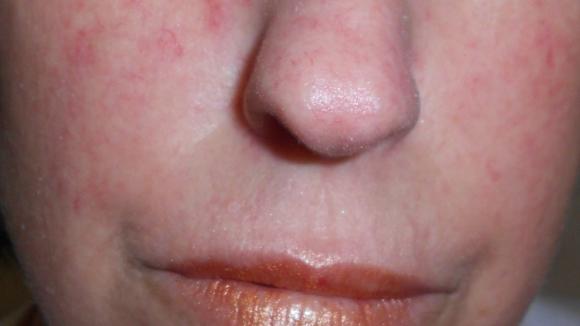


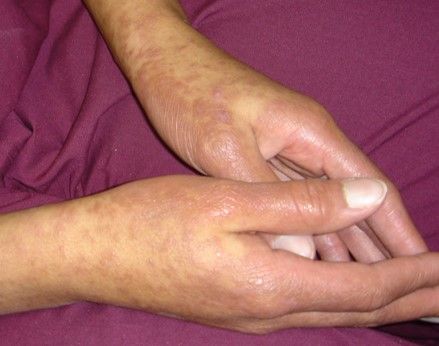
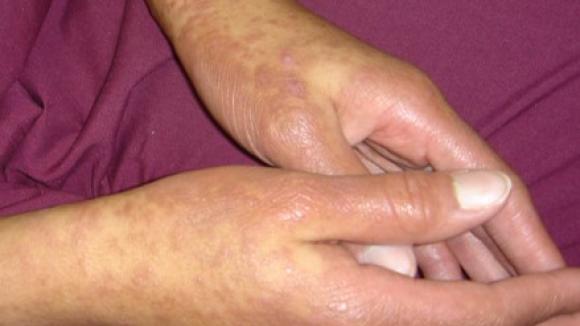
A new Frontiers in Immunology review from Ong, Wincup and colleagues, shows that lupus arthropathy is not a single uniform entity and it is biologically under-studied and clinically mismeasured, Moreover, the biology of lupus arthritis may shed light on choosing the best therapy for MSK
Know-it-now
Start low. The recommended starting dose is Prednisones 12.5–15 mg, not 15–25 mg (doses below 10 mg risk incomplete response).
Bone protection is mandatory and should not wait for DEXA results (Only 67% of patients

As the leaves start changing color and spooky decorations populate neighborhood doorsteps, another autumnal tradition begins: vaccination counseling. Fall offers a golden opportunity to protect our patients before respiratory viruses fill our waiting rooms. In patients with rheumatologic


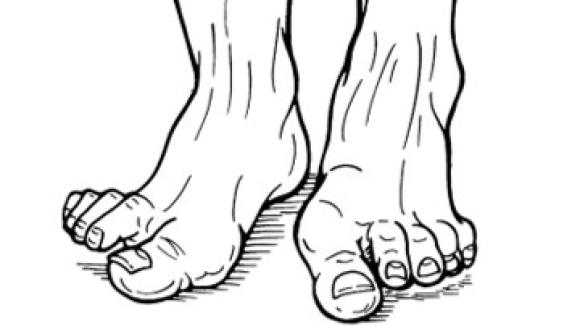
Dr. Jack Cush reviews this week's news from RheumNow.com, including: placebo trumps controversial therapies, the dynamics of disease activity, fuse the big toe, and patients don’t appreciate being told “it's all in your head”!
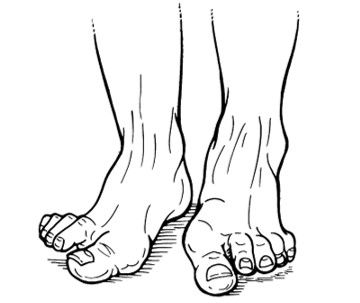

There's this low grade buzz from some rheumatologists about the potential analgesic benefits of low dose naltrexone. I haven't used it. Should you?

In honor of World Arthritis Day (Oct. 12th), The Lancet has published a public Health Policy report is to "outline a globally relevant roadmap to address the osteoarthritis identity problem, focusing on health policy responses."
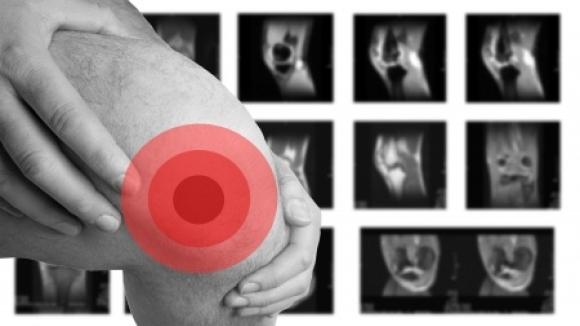






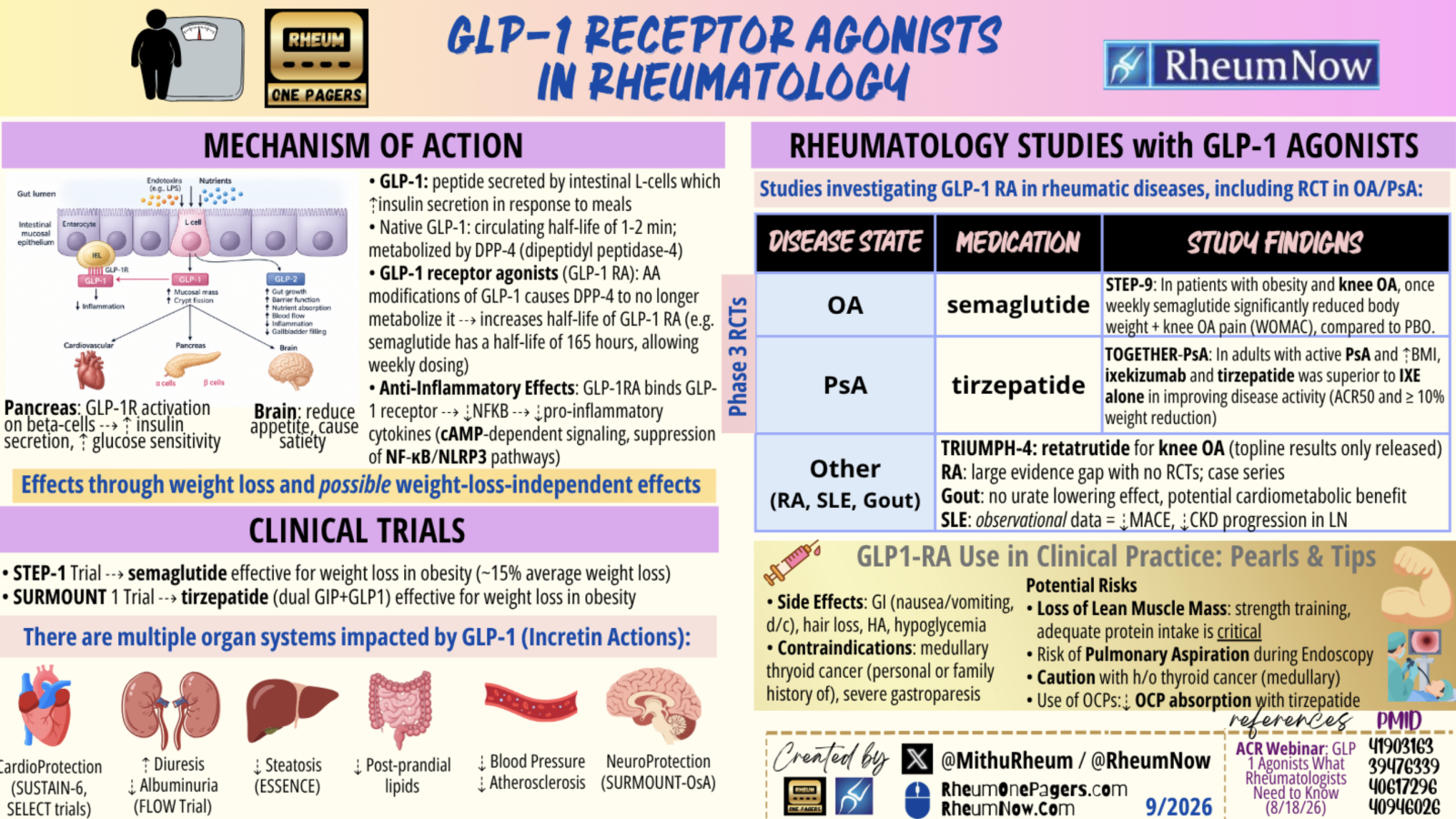
The costs of GLP-1 agonists must come down in order to make these treatments available to the people who need them - including many people with rheumatologic diseases.

When it rains it pours, but when it comes to grief, it’s like the rains that just won't let up.
Just too many deaths this past month. All devastating, all my immediate sphere. All hard to fathom. How can something so inevitable be a recurring, unwelcome, unsolvable bad dream?
I lost my father when I was 15, my sister was 20 and my mother when I was in medical school. And I've done this many, many times since.

By downloading this material, I acknowledge that it may be used only for personal use and personal education and that I will accredit RheumNow.com as the source and owner of this material. Commercial use or mass reproduction of this material without permission from RheumNow (info@rheumnow.com) is prohibited.