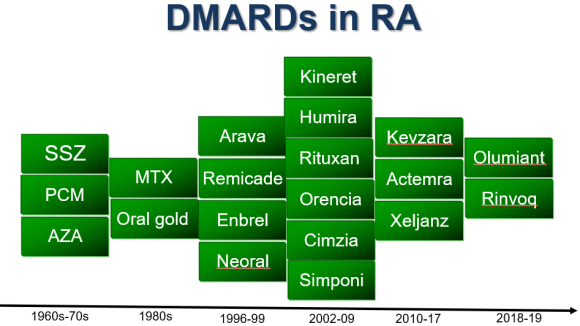
Tofacitinib (Xeljanz) in patients with rheumatoid arthritis (RA) stood out among several other biologic and targeted synthetic disease-modifying antirheumatic drugs (sDMARDs) when it came to the incidence of interstitial lung disease (ILD), a retrospective cohort study showed.

All News
Metformin Reduces Osteoarthritis Risk
Metformin may help cut the risk of osteoarthritis (OA) in those with type 2 diabetes, researchers reported.
Psoriatic arthritis (PsA) is plagued by obesity, depression and increased comorbidities; now it appears that polypharmacy adds to the burden of managing PsA.
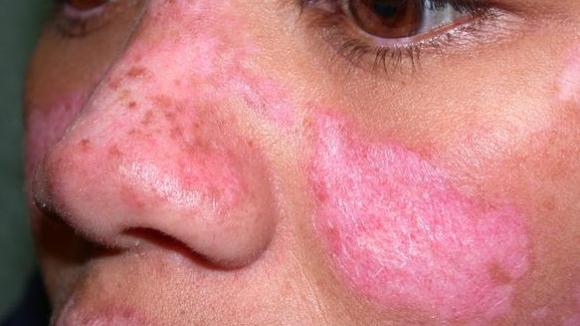
A research report in JAMA Dermatology describes the use of the type 1 interferon receptor inhibitor anifrolumab in patients with chronic discoid lupus erythematosus (DLE).
Itaconate - A Potential New Immunosuppressive
Researchers have revealed the modulatory effect of the anti-inflammatory metabolite itaconate (ITA) on T helper and T regulatory cells, which may lead to new therapeutic approaches to treating some autoimmune diseases.
An international task force of 13 European experts have developed evidence-based points to consider regarding the cost-effective use of biological and targeted synthetic disease-modifying antirheumatic drugs (b/tsDMARDs) in the treatment of inflammatory rheumatic diseases (including rheumatoid arthritis, psoriatic arthritis and axial spondyloarthritis).
Dr. Jack Cush Reviews the News and Journal articles from the past week on RheumNow. This weeks highlights includes insights on scleroderma, myositis, vasculitis and answers the question - does aggressive biologic treatment of psoriasis prevent future psoriatic arthritis?
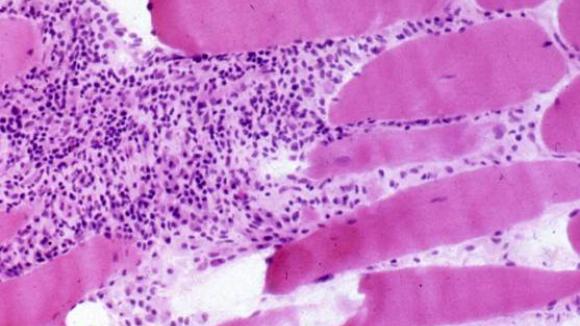
A single center cohort study analyzed the outcome and survival of idiopathic inflammatory myositis (IIM) patients and showed good 5 and 10 year survival but showed significant declined 15-25 years post-diagnosis.
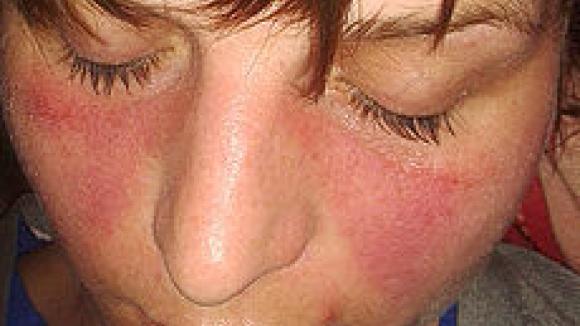
A Medicare study shows that young adults with systemic lupus erythematosus (SLE) exhibit very high 30-day rehospitalization rates (36%) that are significantly higher than older SLE patients and age matched non-SLE patients.
Alopecia areata totalis (AT) and universalis (AU) are the most severe and difficult to treat forms of alopecia areata (AA).
Retrospective claims analysis shows that psoriasis patients treated with either an IL-12/23 inhibitor or an IL-23 inhibitor had a lower risk of developing incident psoriatic arthritis, compared to TNF inhibitors or IL-17 inhibitors.
A small cohort trial of rituximab (RTX) in 29 systemic sclerosis patients showed significantly improved skin sclerosis and lung function after a follow-up of 96 weeks.
Dr. Jack Cush reviews the lastest journal articles, news, and FDA announcements from the past week on RheumNow. This week, the importance of IFNa, Subclinical PsA and NSAID safety during Pregnancy.
A novel trial has shown that combination biologic therapy (guselkumab plus golimumab) to be more effective in ulcerative colitis than either biologic alone.
Yesterday, the U.S. Food and Drug Administration (FDA) approved sarilumab (Kevzara) for the treatment of adults with active, refractory polymyalgia rheumatica (PMR), stipulating it is indicated in those patients who have had an inadequate response to corticosteroids or who cannot tolerate corticosteroid taper.
The Annals of Rheumatic Disease has published updated multinational, treat-to-target (T2T) recommendations for the treatment of giant cell arteritis (GCA) and polymyalgia rheumatica (PMR).
Despite the encouraging phase II trial results of baricitinib in systemic lupus erythematosus (SLE) patients, two parallel phase III trials have failed to redemonstrate the efficacy of baricitinib in active SLE, thereby halting development of baricitinib in SLE.
Wang et al., in a JAMA Network Research Letter, recently reviewed Medicaid expenditures on adalimumab (ADA), sold under the brand name HUMIRA®. They noted that the introduction of the citrate-free formulation cost an extra $4.4B to Medicaid between 2014 and 2021.
Safety outcomes for targeted synthetic or biological disease-modifying antirheumatic drugs (b/ts DMARDs) used to treat RA were studied using data from the Anti-Rheumatic Therapies in Sweden (ARTIS) registry, showing that these newer agents are largely similar, but still have particular differences for specific infection or other adverse event risks.
Medicare beneficiaries 65 and older with lupus faced dramatically higher mortality when they received no follow-up care during the month after a hospital stay, researchers found.