Dr. John Cush RheumNow
2 years 11 months ago
RheumNow’s expanded coverage of the #ACR23 Annual meeting is sponsored in part by Novartis. All content is chosen by RheumNow and its faculty.

Bella Mehta bella_mehta
2 years 11 months ago
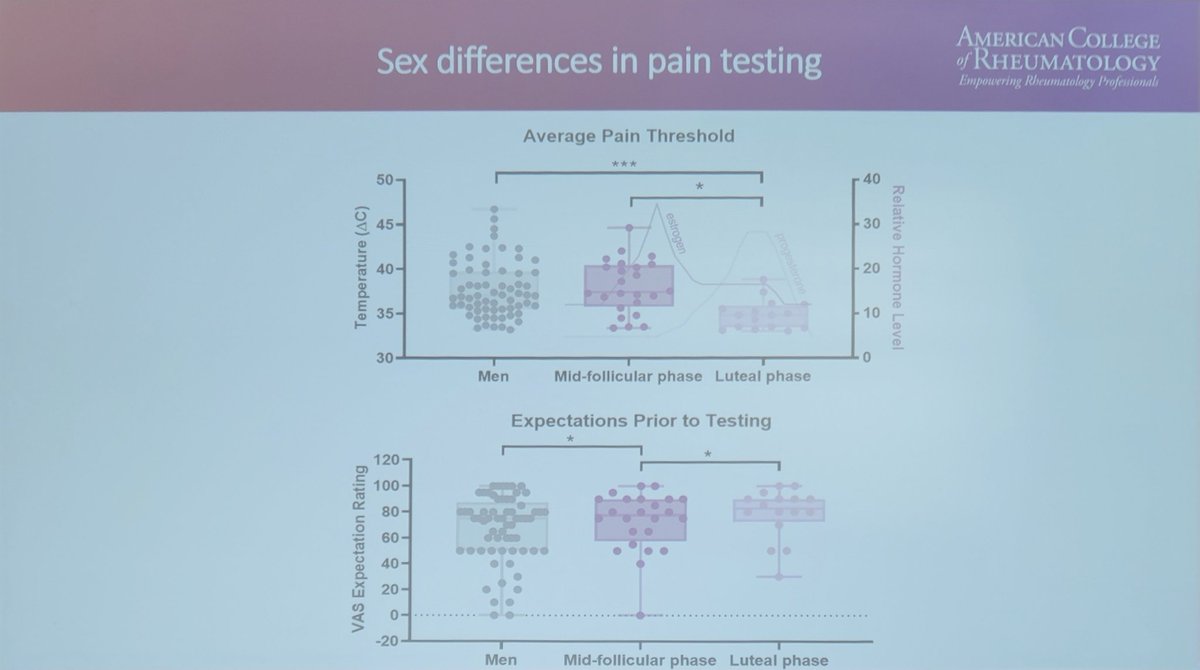
The sex of the researchers conducting experiments in pain matters- PARTICIPANT -EXPERIMENTER sex concordonace. Really interesting study focussing on one more parameter in understanding pain and sex differences.
@rheumnow #ACR23 https://t.co/XlzxabpLvy
Bella Mehta bella_mehta
2 years 11 months ago
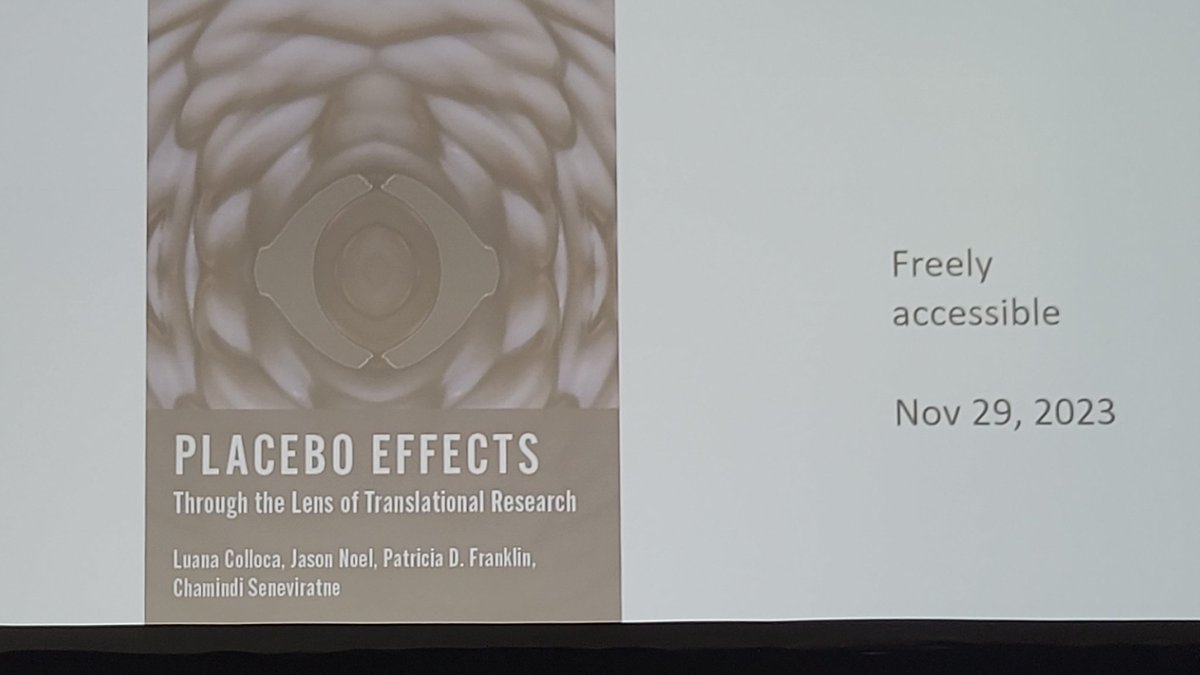
Understanding placebo effects is very important for any clinical research! This book will lay down important concepts in this. And fully accessible in a few weeks!
@RheumNow #ACR23 https://t.co/J3grEhP460
Bella Mehta bella_mehta
2 years 11 months ago
Green light therapy - room with green light helps with pain!
Funny lines here
While walking in the countryside,
My knee felt better, I began to stride
Green light's the key to my inner peace
It must be that cannabinoid release
Where do you act to reduce my pain?
@RheumNow #ACR23
Bella Mehta bella_mehta
2 years 11 months ago
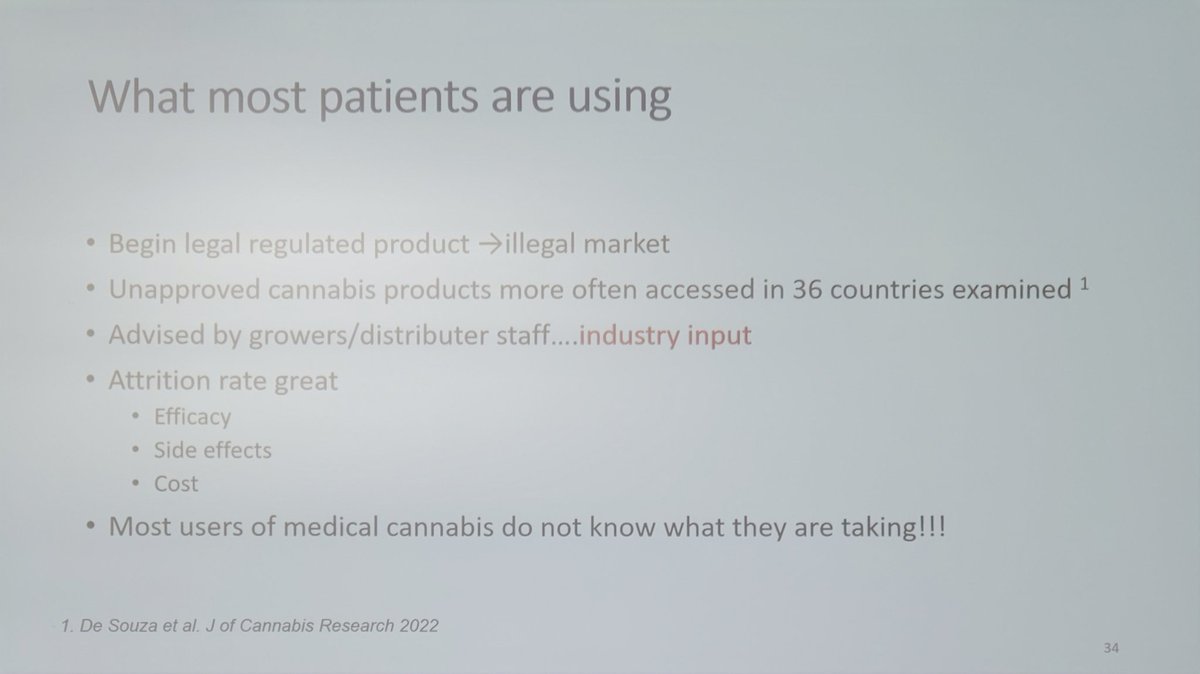
Little disturbing to see the data that most patients using cannabis dont know what exact product they are using. Also not most is not prescribed/ illegal!
Lots to learn and may have potential but need to be careful!
@RheumNow #ACR23 https://t.co/Y0vHmVvWdL

TheDaoIndex KDAO2011
2 years 11 months ago
I have seen these cases - mortality is high if not recognized and treated promptly. Don’t wait for ADAMSTS13 to result before initiating treatment! @RheumNow https://t.co/fL70AGNY1D

David Liew drdavidliew
2 years 11 months ago
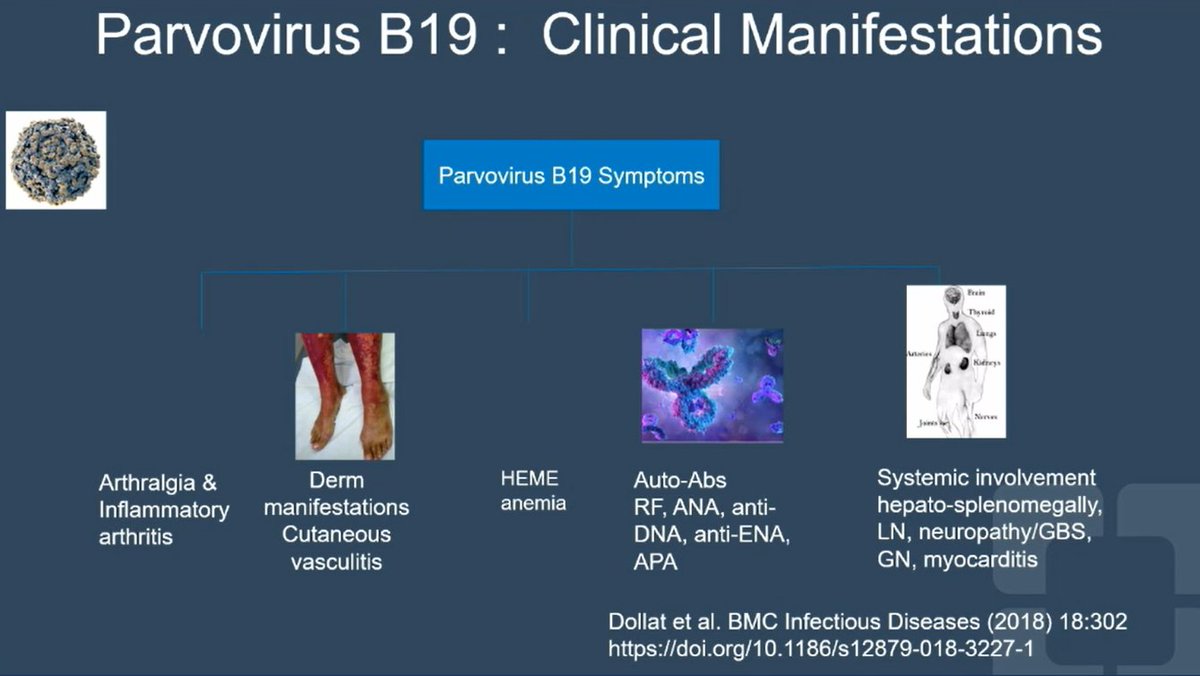
To finish the #ACR23 Review Course, one of my favourites:
the erudite @LCalabreseDO on the complicated web between viral infections and autoimmunity.
Complex interactions both ways. Isn't the immune system amazing?
(& ref the @CleClinicMD service led by @CCalabreseDO)
@RheumNow https://t.co/spLQQfBVdr
Bella Mehta bella_mehta
2 years 11 months ago
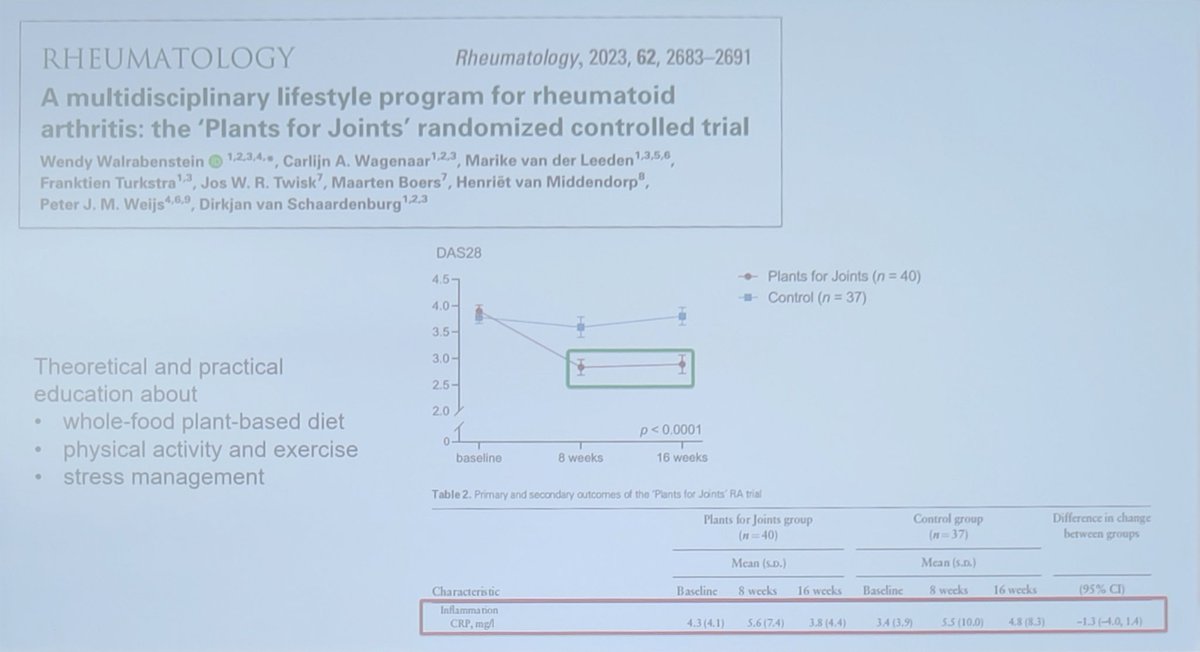
Plants for joints! @UrviShahMD
Lot more talk even in the arthritis world!
Plant based diets may help!
@RheumNow #ACR23 https://t.co/cDnQiaJA5f

Dr. Antoni Chan
2 years 11 months ago
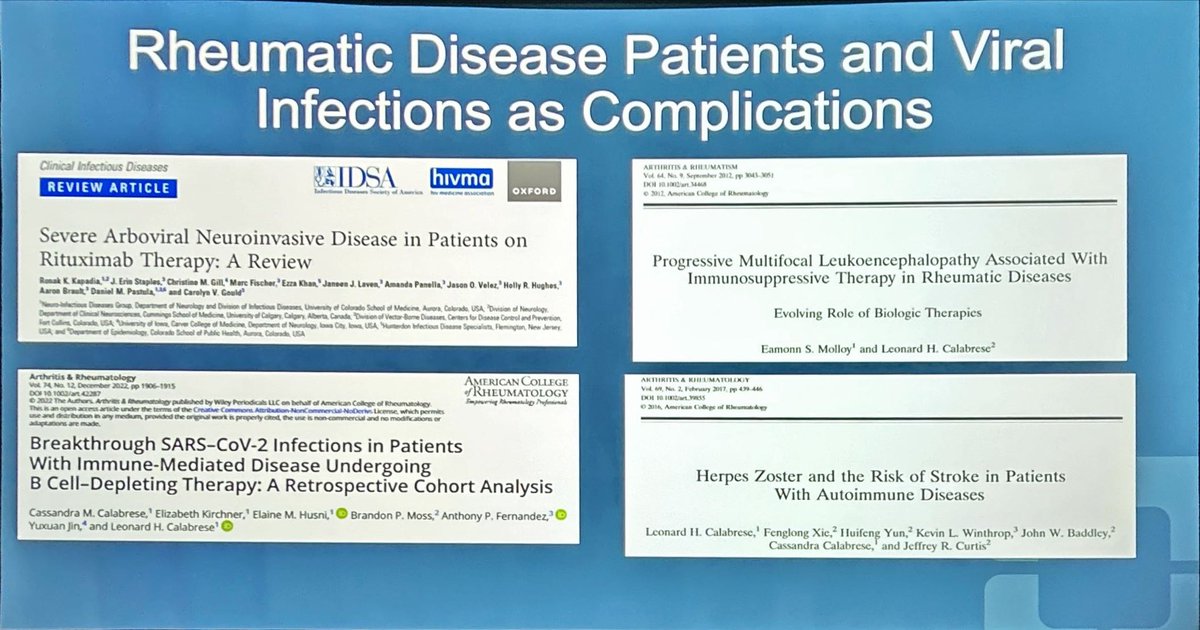
A masterclass by @LCalabreseDO on the management of viral infections and rheumatic disease. Don’t forget to screen for HBV, HCV, HIV prior to immunosuppressive treatment #ACR23 @RheumNow https://t.co/psLXSuhnHk
Bella Mehta bella_mehta
2 years 11 months ago
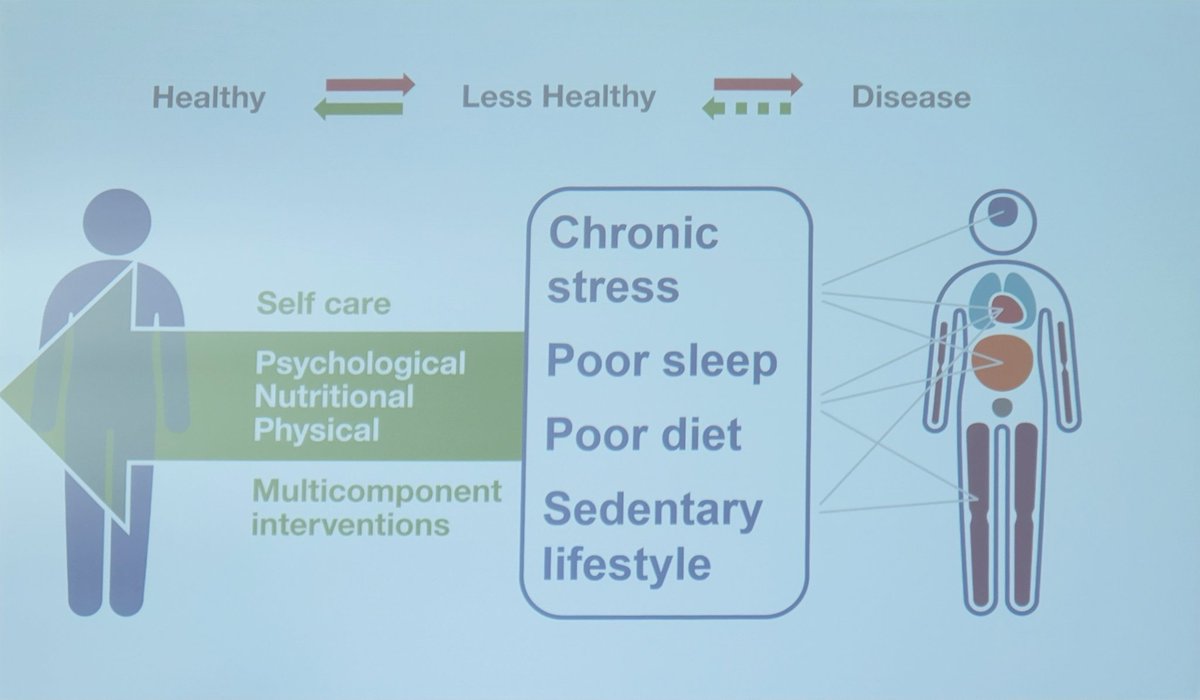
Managing stress is a key in many autoimmune diseases. Do not forget non pharmacological techniques.
@RheumNow #ACR23 https://t.co/pACxOSaN7A
Bella Mehta bella_mehta
2 years 11 months ago
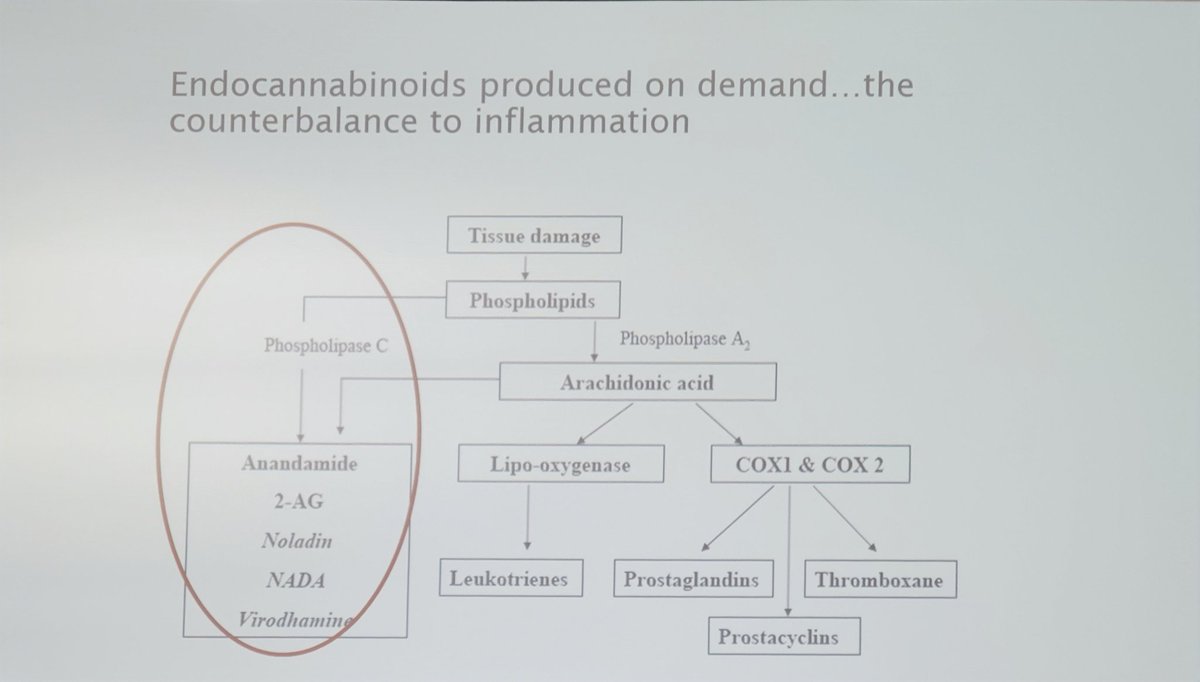
Controlled substance rundown - CBD and THC are the key molecules
Used since 5K years
18 percent of americans have used opiods once since 2019!
@rheumnow #ACR23 https://t.co/iEscYxB5j5
Dr. John Cush RheumNow
2 years 11 months ago
RheumNow’s expanded coverage of the #ACR23 Annual meeting is sponsored in part by Bristol Myers Squibb and UCB. All content is chosen by RheumNow & its faculty.
David Liew drdavidliew
2 years 11 months ago
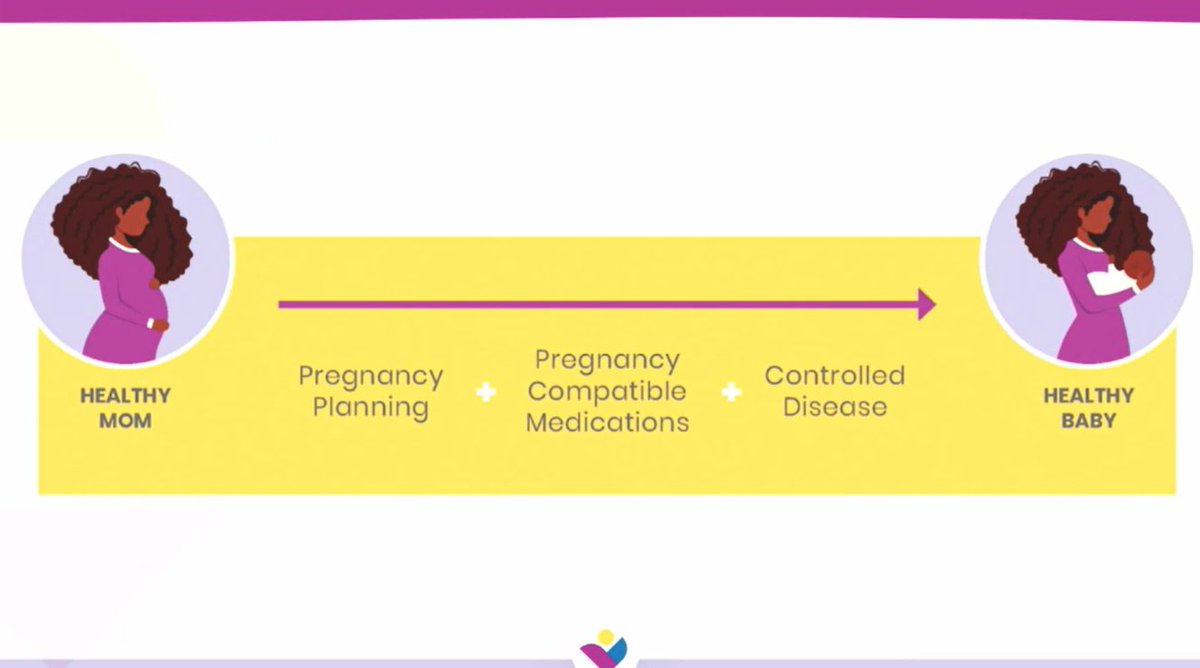
Pregnancy is complicated for women with rheumatic diseases.
There's a pathway to healthy mothers & babies, but it takes:
- planning
- the right meds
- the right disease control.
@drbags71 #ACR23 Review Course @RheumNow https://t.co/epdDIVGPye
David Liew drdavidliew
2 years 11 months ago
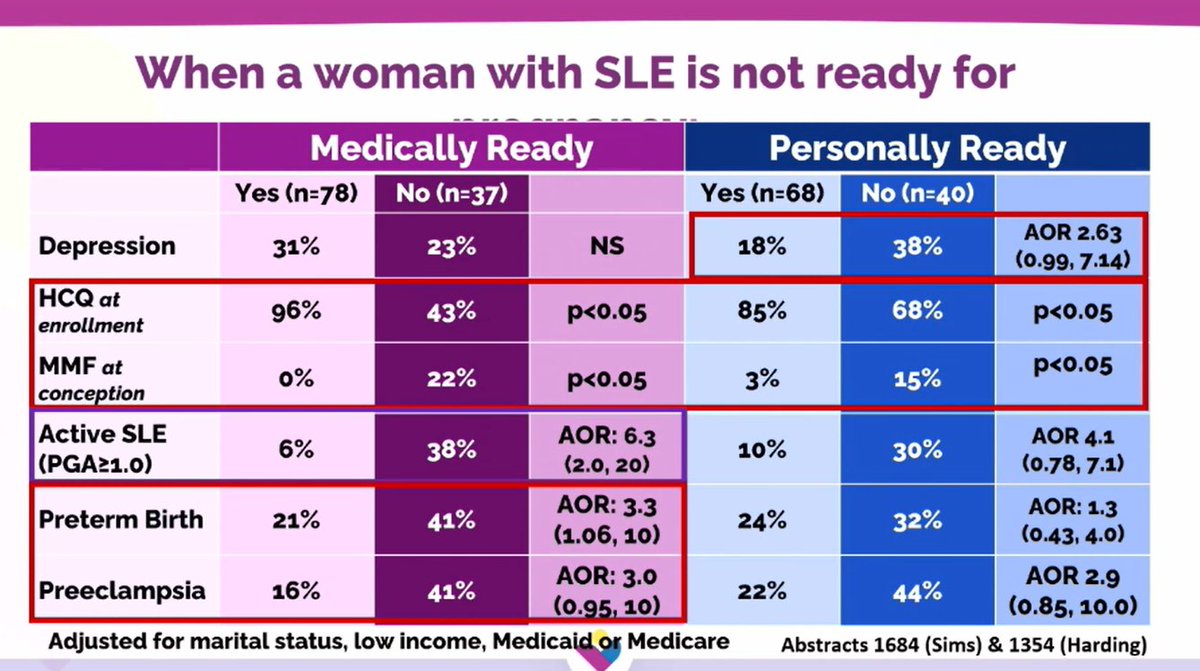
@drbags71 @RheumNow Too often we don't leave women of childbearing age with a plan, if they do get pregnant. And we need to help them get ready, for whatever they want, so we can avoid bad outcomes - and all the consequences of that.
@drbags71 #ACR23 Review COurse @RheumNow https://t.co/HLg6KjCiJX
David Liew drdavidliew
2 years 11 months ago
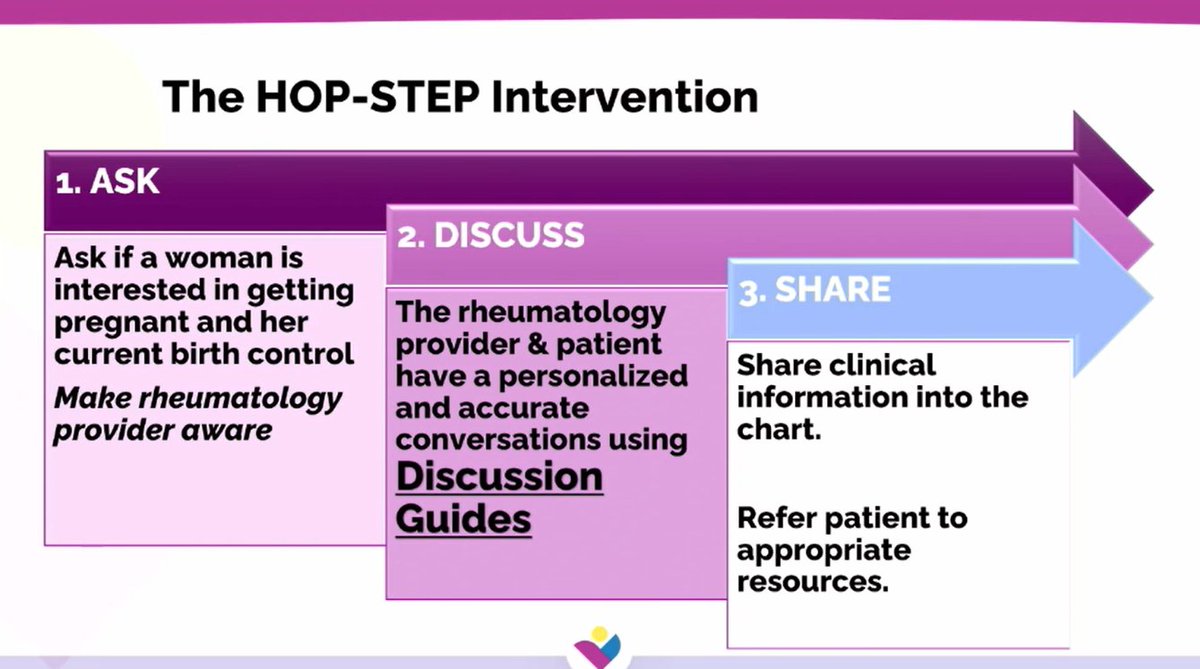
@drbags71 @RheumNow So approach @drbags71:
HOP-STEP
- proactively ask/communicate
- make difficult discussions easier with these truly amazing guides:
https://t.co/9AJIrF9bsQ counselling
https://t.co/618mrifi3f dr/pt Rx plans
⬆️**bookmark these**
- share
do not miss!
#ACR23 Review Course @RheumNow https://t.co/vWwJLu2HWG