TheDaoIndex KDAO2011
2 years 11 months ago
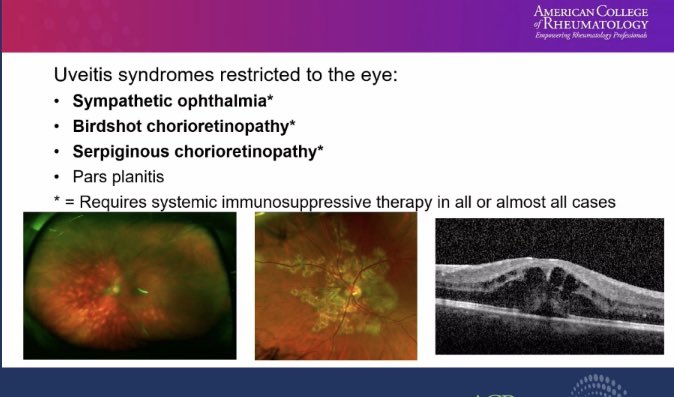
Isolated uveitis without systemic symptoms: Sympathetic ophthalmia, Birdshot chorioretinopathy, serpiginous , pars planitis -Dr L Kopplin @rheumnow #ACR23 #ACRReview https://t.co/prBVuZSJV7

Mike Putman EBRheum
2 years 11 months ago
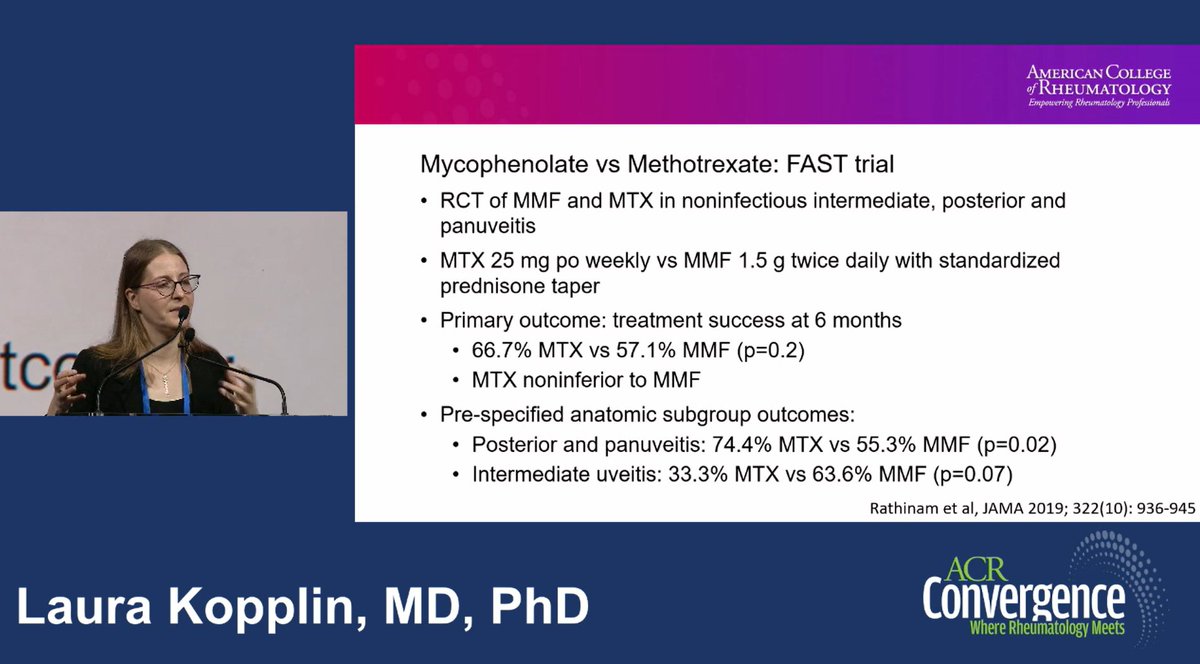
FAST trial, MMF vs MTX at the Review Course today
Overall a big win for MTX, powered for noninferiority (bc people loved MMF) but looks like MTX won the day w/10% difference in outcomes
Take home: MTX FTW per usual
@RheumNow #ACR23 #ReviewCourse https://t.co/lY1V6S7X3d

Dr. Antoni Chan
2 years 11 months ago
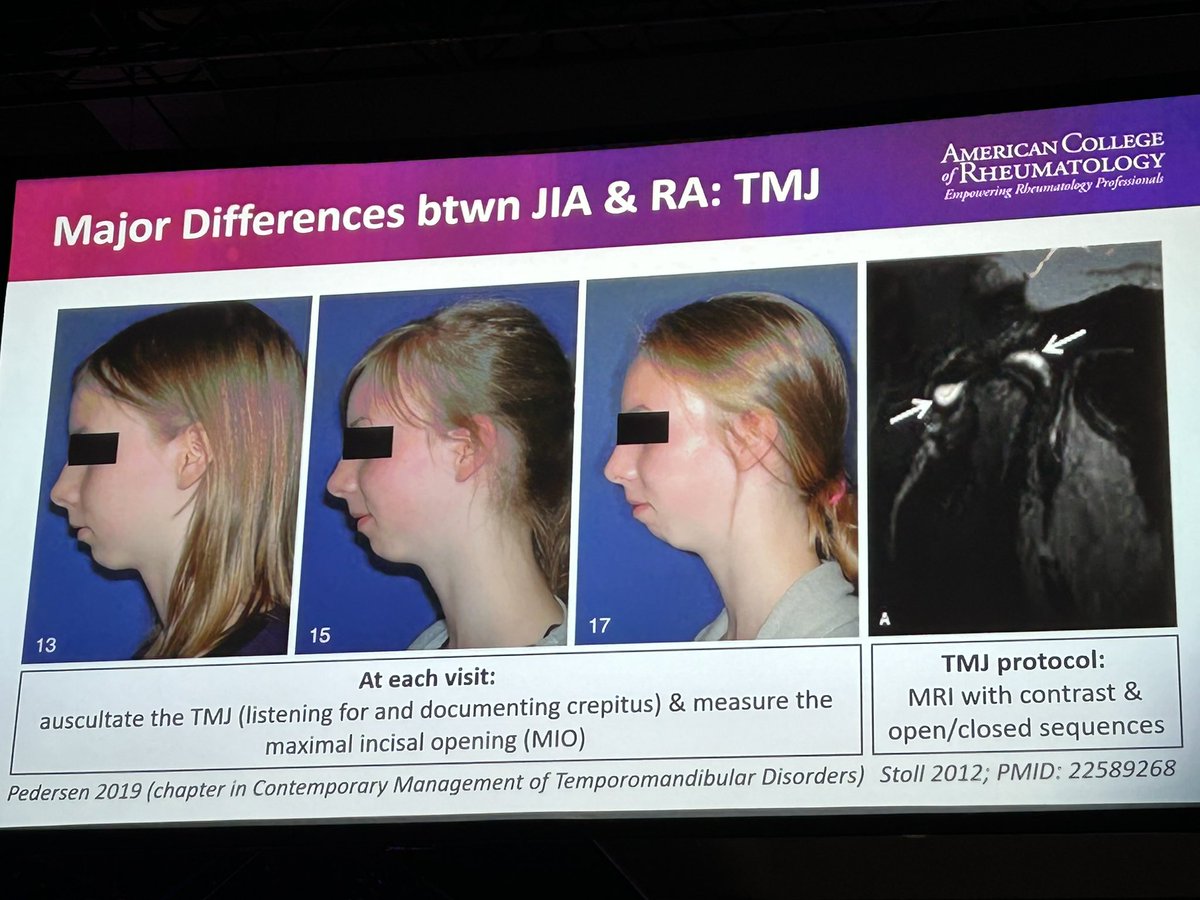
New clinical skill to use in the clinic. Auscultate at the TMJ for crepitus and measure the maximal incisal opening in JIA, Sadun R, #ACR23 @RheumNow https://t.co/8koZRCZYoP

Dr. John Cush RheumNow
2 years 11 months ago
OA and Syncope
OA patient on NSAIDs presents with a peptic ulcer and GI Bleed.
https://t.co/ezMbqgAB0Q https://t.co/iutdfUAPv2

Alberta Rheumatology RheumAb
2 years 11 months ago
Hey #ACR23!
Need a theme song for rheumatology?
Because #Rheum makes your hands clap!
https://t.co/vKYOH8zdIv
@chroniceileen @realcc @ACRheum @ACRSimpleTasks #RheumTwitter @CRASCRRheum @RheumNow @rheumpatient @RNSociety @ArthritisFdn @VersusArthritis @exerciseworks #arthritis
Dr. Antoni Chan
2 years 11 months ago
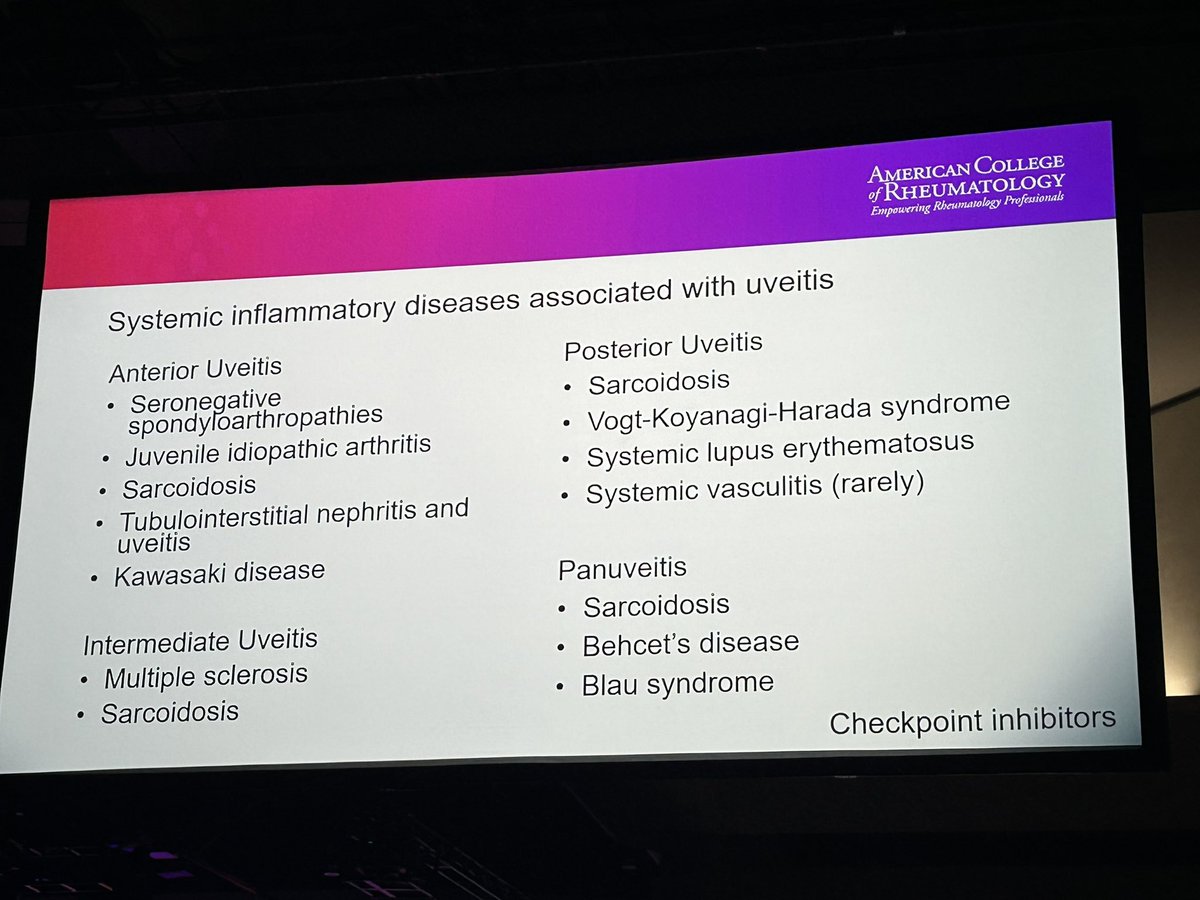
Keeping the eyes 👀 on the target. Early start to the day with the ACR review course on the eye 👁️ in rheumatic disease. Causes of uveitis #ACR23 @RheumNow https://t.co/g5y5Vs01RX
TheDaoIndex KDAO2011
2 years 11 months ago
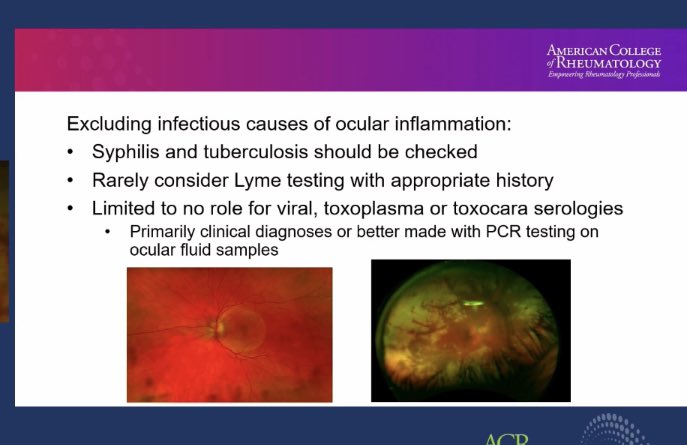
ID testing for pts with inflammatory eye disease: syphilis, TB, Lyme (where appropriate). Low yield is toxoplasma, toxocara and viral dz - Dr L Kopplin #ACRReview
@RheumNow #ACR23 https://t.co/UyQ8Bc2cEy
Mike Putman EBRheum
2 years 11 months ago
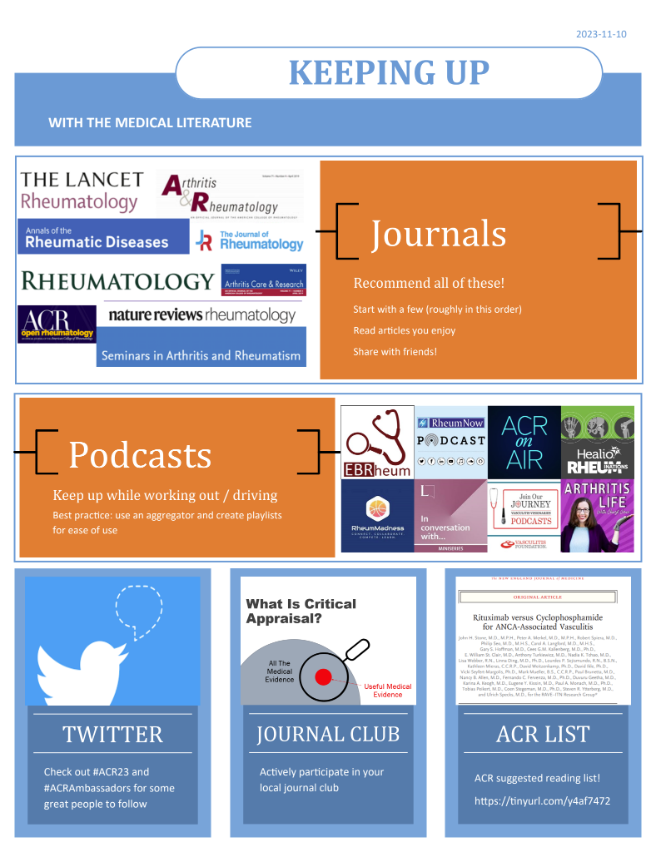
Super fun meeting with fellows for the annual FIT session yesterday!
Thanks to everyone who came to my table for the expensive FedEx'ed handouts 😂
Here's a link to a PDF & pics if anyone is interested in the handout!
@RheumNow #ACR23
https://t.co/kh7sOh2BWj https://t.co/DoEZzHSaAp
Dr. John Cush RheumNow
2 years 11 months ago
Join us tomorrow! We’ll be hosting a LIVE #ACR23 recap. https://t.co/DxdsaPgRfC

Dr. John Cush RheumNow
2 years 11 months ago
Join us tonight for our first daily #ACR23 recap! LIVE! https://t.co/jIfrqQXxdY

Dr. John Cush RheumNow
2 years 11 months ago
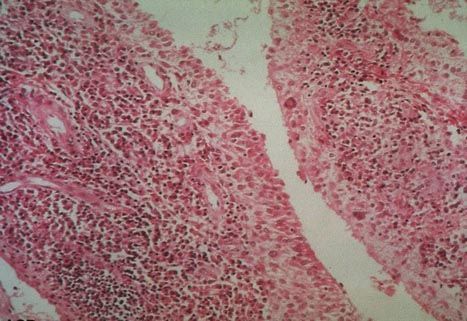
Rheumatoid Synovium Characterized by Six Cell Type Phenotypes
Could CTAPs known disease features or more effective future therapies?
https://t.co/mcbNAO7lAQ https://t.co/wiOW8Xq0mI

Nouf Al hemmadi
2 years 11 months ago
ACR convergence highlights by the awesome, i mean very awesome team @RheumNow
Sunday to Thursday with recap Friday 🤓 i am stocking every one😂
https://t.co/WahAoH7MCM
Biologic / target synthetic induced None melanoma skin cancer? Disease induced or medication induced ?
Dr. John Cush RheumNow
2 years 11 months ago
RheumNow’s expanded coverage of the #ACR23 annual meeting is sponsored in part by Bristol Myers Squibb and UCB. All content is chosen by RheumNow & its faculty.
Dr. John Cush RheumNow
2 years 11 months ago
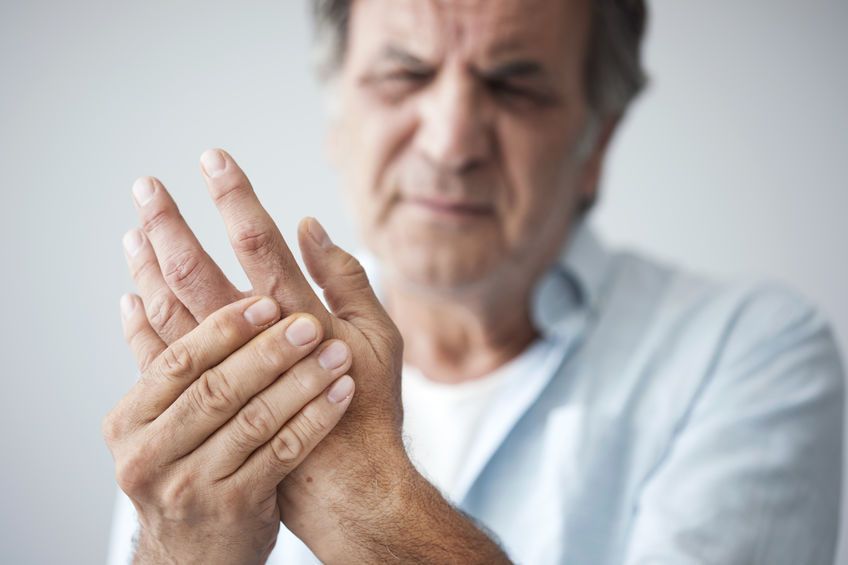
Arthritis Increased Amongst US Veterans
An updated report shows a larger number (~33%) of U.S. veterans having diagnosed arthritis. Compared to nonveterans, this prevalence was double in men, and 60% higher in women.
https://t.co/9sAaxrxWEP https://t.co/gEj7g8ahdk
Dr. John Cush RheumNow
2 years 11 months ago
Habitually Noncompliant
Seronegative RA - No Show, Won't Go, prn Patient
QD Clinics are sponsored by RheumNows Coverage of #ACR23 live from San Diego
https://t.co/jeD3H9RHvs https://t.co/zIEkecPEu0