









Systemic Burden of Gout Save
Supported by:

Speaker bios:
Robert Terkeltaub, M.D.
Robert Terkeltaub, M.D. is Professor Emeritus of Medicine, Division of Rheumatology, Autoimmunity and Inflammation, University of California, San Diego. After earning his medical degree from McGill University in Montreal, Canada, Dr. Terkeltaub completed postdoctoral training in Immunopathology research at Scripps Research Institute, La Jolla, CA. His research concentrates on gout and ectopic calcification phenotypes of crystal deposition disease, gout clinical trials and treatment guidelines and outcomes in the disease, and the interfaces of inflammation, urate metabolism, and skeletal biology in these disorders. Dr. Terkeltaub has ~340 publications with over ~34,000 citations, has edited 2 textbooks, and has served as co-Editor and first ever Review Articles Editor of Arthritis and Rheumatology. Among his named lectureships was the 6th Morris Ziff Distinguished Lecturer at UT Southwestern Medical Center, and the 1st Malawista Memorial Lecturer at ACR. He also is Honorary Professor at Qingdao University, China. Dr. Terkeltaub has a long record of service on multiple editorial boards and scientific advisory committees, and is founding President of G-CAN (Gout, Hyperuricemia, and Drystal-Associated Disease Research Network).
Nicola Dalbeth, MBChB MD FRACP FRSNZ
Professor Nicola Dalbeth is a rheumatologist based in Auckland, New Zealand. She leads a research programme focusing on the mechanisms, impact, and treatment of gout. She has been principal investigator of trials for novel therapeutic agents and treatment strategies for gout and has led international initiatives to define central concepts of the disease, including nomenclature, staging, and response to treatment. She was a member of the core oversight team for the 2020 American College of Rheumatology (ACR) Gout Management Guidelines, and a steering committee member on the 2015 ACR/ European Alliance of Associations for Rheumatology gout classification project.
Ted R. Mikuls, MD, MSPH
Dr. Mikuls is a rheumatologist and epidemiologist whose research focuses on the epidemiology, pathogenesis, and outcomes of rheumatoid arthritis and gout. He is actively engaged in clinical/translational research activities and has received research funding from the National Institutes of Health, U.S. Department of Defense, Veterans Affairs, the Rheumatology Research Foundation, and industry. He has extensive experience conducting multicenter, multidisciplinary research studies, serving as the principal investigator for the multicenter Veterans Affairs Rheumatoid Arthritis registry since its inception in 2003. He has served on multiple national study sections, including those convened by the National Institutes of Health, Veterans Affairs, and the Rheumatology Research Foundation. He previously chaired the American College of Rheumatology Subcommittee for Practice Guidelines, served on the Food and Drug Administration’s Arthritis Advisory Committee, and was the lead editor for the textbook "A Color Handbook – Rheumatology."
Michael H. Pillinger, MD
Dr. Pillinger completed his undergraduate degree in Biochemistry at Harvard University and his medical degree at NYU School of Medicine. He trained in internal medicine at the Albert Einstein College of Medicine, and completed his fellowship in rheumatology at the NYU School of Medicine and the Hospital for Joint Diseases. Dr. Pillinger serves as director of the NYU rheumatology fellowship training program and oversees TREC (Translational Research Education and Careers), the training and career development unit of the NYU Clinical and Translational Science Institute, where he also oversees the Masters of Science Program in Clinical Investigation. Dr. Pillinger’s research interests focus on the mechanisms and consequences of inflammation, including inflammation in crystal diseases such as gout. Particular interests include the cardiovascular consequences of inflammatory diseases, which has led to close collaborations with cardiology colleagues, particularly Dr. Binita Shah. He has done extensive work on the impact of colchicine and other gout-affiliated agents on various consequences of inflammation. Among his most recent work are the COLCORONA study, examining the benefit of colchicine in patients with COVID, and the STOP-GOUT study, testing the comparative efficacy of two standard gout drugs, allopurinol and febuxostat. Dr. Pillinger also studies the interaction of gout, the most common inflammatory arthritis in the world, and osteoarthritis, the most common arthritis overall. To date, Dr. Pillinger has published more than 170 original reports, reviews and book chapters. He is the recipient of the American College of Rheumatology Distinguished Program Director and Clinician Scholar Educator Awards, and has trained more than 100 rheumatology fellows.
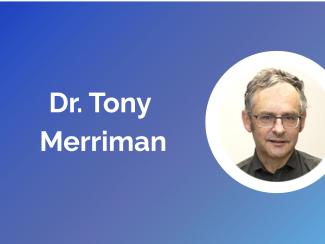
Tony Merriman, MD
Dr. Tony Merriman earned his PhD in Biochemistry from the University of Otago in Aotearoa New Zealand in 1994. He then completed postdoctoral training in the genetics of type 1 diabetes at the University of Oxford in the United Kingdom, where he worked from 1994 to 1998. In 1998, he returned to the University of Otago to establish and lead a research program investigating the genetics of gout, a role he held until 2020. Since 2020, Dr. Merriman has led a research program on the genetics of gout at the University of Alabama at Birmingham, where he continues to advance research into the genetic basis of the disease.
Lisa Stamp
Professor Stamp is an academic Rheumatologist at the University of Otago, Christchurch and Te Whatu Ora Waitaha Canterbury, Aotearoa New Zealand. She is Director of the Canterbury Rheumatology Immunology Research Group. Her research focuses on optimization of currently available treatments for rheumatic diseases, in particular gout and rheumatoid arthritis. Her clinical research includes clinical trials, pharmacokinetic and pharmacogenetic studies particularly related to allopurinol, the most commonly used urate lowering therapy for gout and methotrexate, the anchor drug in the management of rheumatoid arthritis and the newer biological therapies. She is also involved in laboratory and genetic studies examining the inflammatory mechanisms in gout and rheumatoid arthritis. Professor Stamp is the recipient of The Arthritis New Zealand National Researcher Award and the Gold Medal for Research by the University of Otago, Christchurch. Lisa was elected Ngā Ahurei a Te Apārangi, Fellowship of Royal Society Te Apārangi in 2023.
Mark C. Fisher
Dr. Mark C. Fisher is a rheumatologist in Boston, Massachusetts and is affiliated with multiple hospitals in the area, including Massachusetts General Hospital and Pappas Rehabilitation Hospital for Children. He received his medical degree from Rutgers Robert Wood Johnson Medical School and has been in practice for more than 20 years. He has expertise in treating rheumatoid arthritis, arthritis, among other conditions - see all areas of expertise.




If you are a health practitioner, you may Login/Register to comment.
Due to the nature of these comment forums, only health practitioners are allowed to comment at this time.