


Search for Terms or Answers
Search for Terms or Answers
Results for “psoriatic arthritis”
Jack Cush, MD · Jan 15, 2026
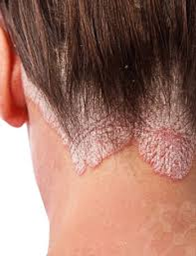
Approximately 20 to 30 percent of all people who suffer from psoriasis also develop painful inflammation in their joints over time. If left untreated, psoriatic arthritis can lead to permanent damage to bones and joints. Why the disease progresses was assessed by researchers from the Universität…
Jack Cush, MD · Oct 7, 2026
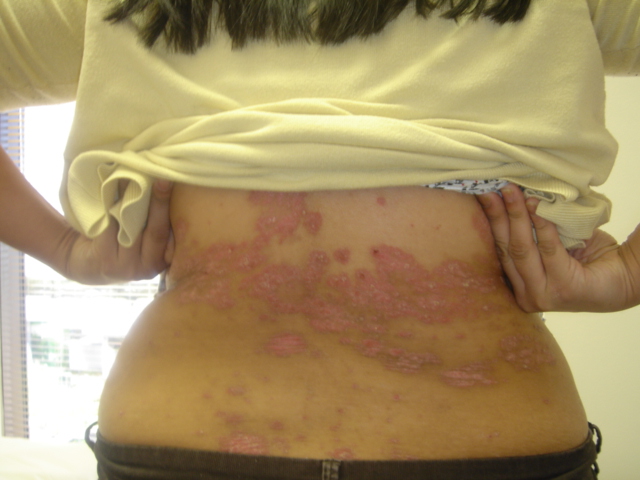
Psoriatic arthritis is often underdiagnosed in those with psoriasis (PsO), leading to diagnostic delays an undertreatment. While certain factors in PsO portend a future PsA risk, a predictive profile and early intervention algorithm do not exist. This cohort study suggests that PsO patients exhibit…
Jack Cush, MD · Aug 17, 2026
A review article assesses and integrates mechanistic, imaging, and clinical evidence to examine whether effective treatment of psoriasis may modify the future risk of psoriatic arthritis (PsA).
Jack Cush, MD · Aug 22, 2024
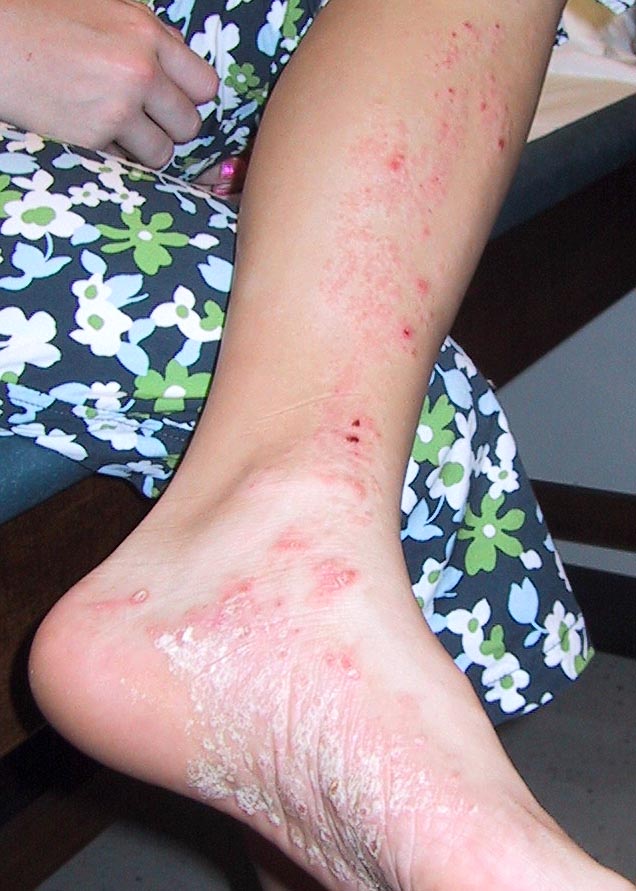
Psoriatic arthritis (PsA) is a sequelae to chronic skin psoriasis. Whether cutaneous psoriasis is the pre-clinical phase of what may become PsA is oft debated and has been inadequately researched, largely using claims data or retrospective data sets.

Antoni Chan, MD, PhD · Jul 1, 2025
Despite the advances in the treatment of PsA with biologic (bDMARD) and targeted synthetic (tsDMARD), less than half of patients with this condition achieved remission or low disease activity. Combination DMARD treatment is often used in order to achieve remission or minimal disease activity. The standard practice is to use a conventional synthetic (csDMARD) with a bDMARD. The use of the combination of bDMARD with a tsDMARD such as a JAKi or TYK2i is a new order in the treatment of PsA.
Nelly Ziade · Jun 17, 2025
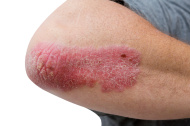
Psoriatic arthritis (PsA) affects approximately 30% of patients with psoriasis (PsO), and diagnostic delays are associated with worse prognosis, making early detection crucial. At EULAR 2025, several studies highlighted progress in prediction strategies. Here's my review of three of them.

Jiha Lee, MD · Jun 4, 2026
At the "What Is New in Psoriatic Arthritis" session at EULAR 2026, Professor Dennis McGonagle (Leeds, UK) took the audience on a whirlwind yet compact tour of the field, touching on three themes: the pathophysiology of PsA, individualization of clinical management, and emerging research and future directions.
jjcush · Mar 23, 2017
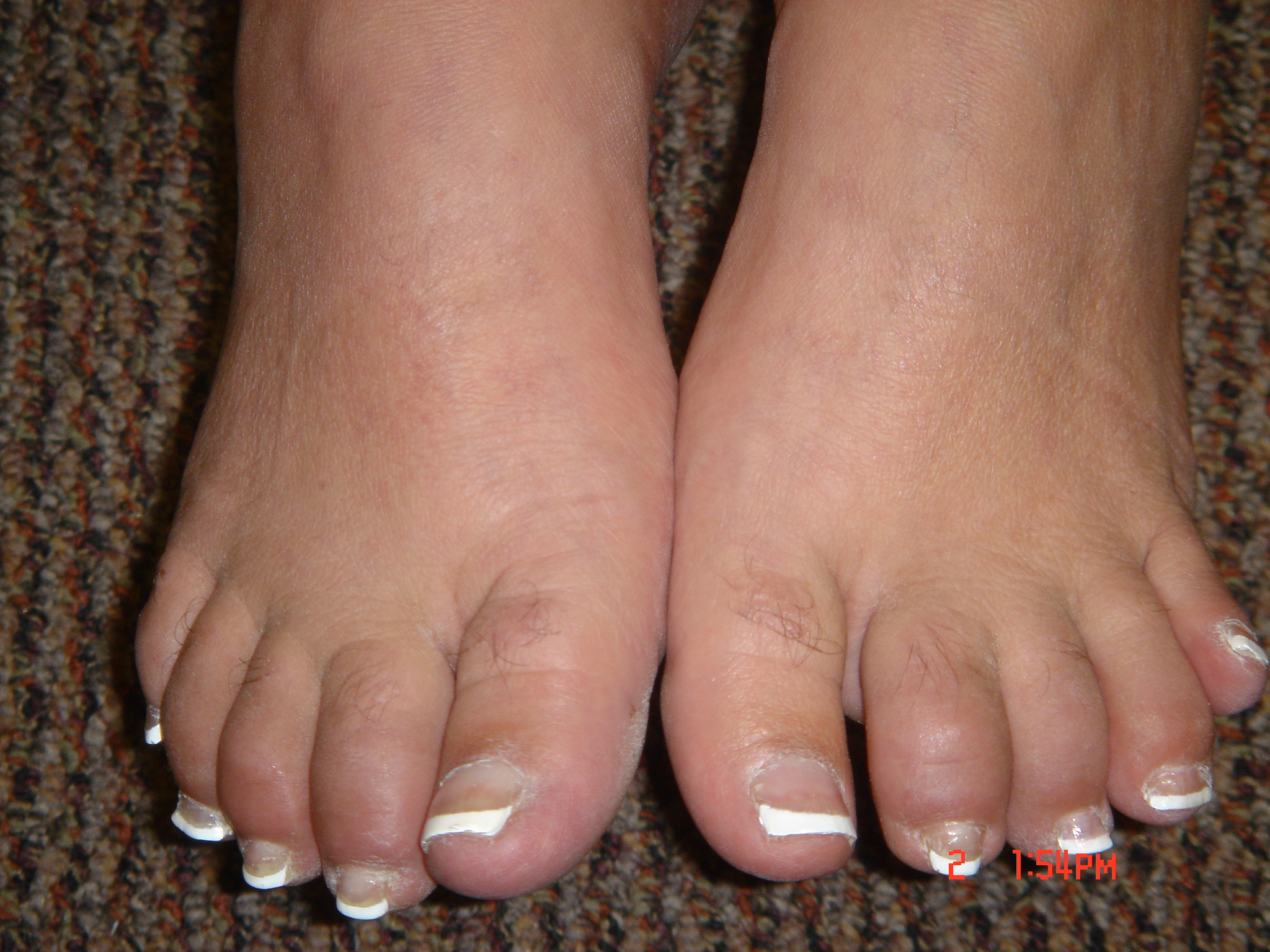
A comprehensive review of psoriatic arthritis (PsA) was published this week in the NEJM, authored by leaders in the field, Drs. Ritchlin, Colbert and Gladman.High points from their review inlcuded:Psoriasis (Pso) arthritis develops in up to 30% of patients with psoriasis Pso and PsA is…

Richard Conway, MBBChBAO, PhD · Feb 10, 2025
The always compelling Dr. Alexis Ogdie explored whether aggressive treatment of psoriasis can prevent psoriatic arthritis in an excellent Saturday morning session at RheumNow Live 2025.

Antoni Chan, MD, PhD · Jun 12, 2024
Psoriatic arthritis (PsA) can affect up to 30% of patients with psoriasis (PsO). Understanding the factors that predispose patients with PsO who progress to PsA is the first step in understanding how early interventions in PsO may augment the progression to PsA. At #EULAR2024, there are a few presentations on this topic that will help us understand this progression from PsO to PsA better.
EurekAlert! · Apr 2, 2025
New research from the University of Bath in the UK reveals delayed diagnosis and undertreatment of psoriatic arthritis often results in irreversible damage to joints.Delays in diagnosing and treating psoriatic arthritis – a common inflammatory disorder affecting 112 in every 100,000 adults –…

Feb 10, 2026
Audrey Gibson, PA-C, reports from RheumNow Live 2026 in Dallas, Texas, on two talks: "Why Do Plain X-Rays in Psoriatic Arthritis" by Dr. Arthur Kavanaugh and "Paradoxical Psoriasis and Strange Reactions" by Dr. Joseph Merola.

EurekAlert! · Jun 12, 2025
Two recent studies suggest there is no significant benefit of early biologics over standard step-up care with methotrexate2,3, but these did not select for poor prognosis. The aim therefore of the SPEED trial (Severe Psoriatic arthritis – Early intervEntion to control Disease) – which was…
jjcush · Mar 31, 2016
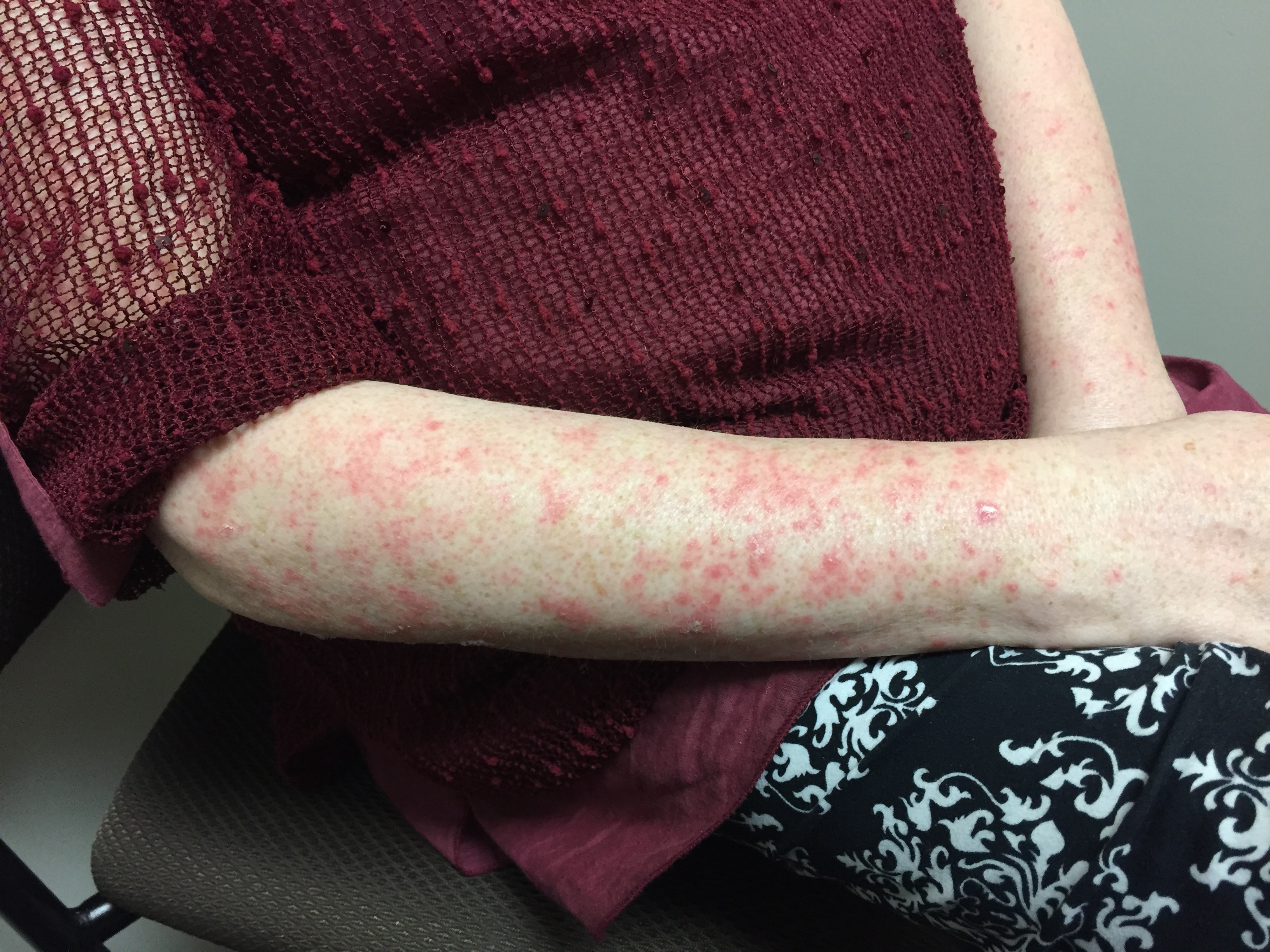
Researchers at the University of Toronto have prospectively studied a cohort of 464 psoriasis patients without a diagnosis of arthritis and followed them over 8 years to estimate the incidence and frequency of psoriatic arthritis (PsA). During the 8 years of follow-up, 51 patients…
jjcush · Jun 21, 2015
Estimates on the prevalence of psoriatic arthritis among psoriasis patients has varied widely, ranging from 5-40%. A systematic review of the literature shows that prevalence of undiagnosed PsA was 15.5% when all studies were considered and 10.1% when only epidemiological studies were…

Jack Cush, MD · Oct 1, 2026
Obesity is an incidental comorbidity in psoriatic arthritis (PsA). It is a modifiable, mechanistically active driver of disease onset, severity, and treatment failure. A new comprehensive review in RMD Open (Madsen et al., 2026) synthesizes 49 studies suggesting that weight management belongs in the core PsA treatment algorithm.
Antoni Chan, MD, PhD · Jun 11, 2025
Despite the advances in the treatment of PsA with biologic (bDMARD) and targeted synthetic (tsDMARD), less than half of patients with this condition achieved remission or low disease activity. Combination DMARD treatment is often used in order to achieve remission or minimal disease activity. The standard practice is to use a conventional synthetic (csDMARD) with a bDMARD. The use of the combination of bDMARD with a tsDMARD such as a JAKi or TYK2i is a new order in the treatment of PsA.
MedPage Today · Jul 8, 2025
Tumor necrosis factor (TNF) inhibitor therapy was effective in reducing the likelihood that psoriasis would progress to psoriatic arthritis (PsA), a retrospective study indicated.

Jack Cush, MD · Jul 17, 2026
Years of IL-17 vs. IL-23 debate in PsA finally got tested head-to-head: bimekizumab outperformed risankizumab on joint outcomes in the BE BOLD trial, while a GLP-1 combination study suggests weight and metabolic status are active drivers of PsA — not just comorbidities. This recap also digs into early signals that biologic choice may influence whether psoriasis progresses to PsA, and why some well-controlled patients are still in pain.
By downloading this material, I acknowledge that it may be used only for personal use and personal education and that I will accredit RheumNow.com as the source and owner of this material. Commercial use or mass reproduction of this material without permission from RheumNow (info@rheumnow.com) is prohibited.

