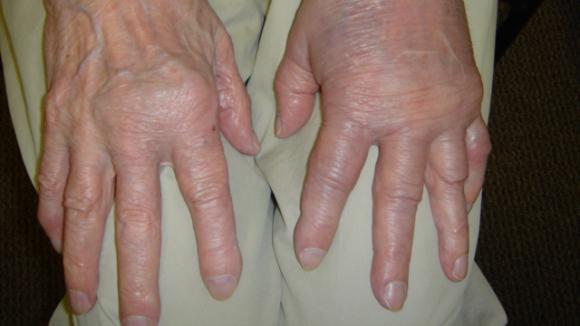
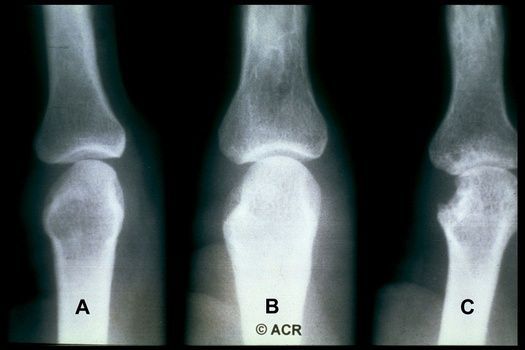
The window of opportunity concept in RA shifted our focus to trying to treat disease earlier and more aggressively to improve long term outcomes. A natural development of this was to reconsider the possibility of therapeutic interventions aimed at the prevention of rheumatoid arthritis.
All News
In clinical practice, pulmonary manifestations of rheumatic medical diseases such as rheumatoid arthritis (RA), psoriatic arthritis (PsA), and peripheral spondyloarthritis (pSpA) are typically not screened for upon diagnosis of a rheumatic disease in patients without any signs or symptoms suggest
Since the millennium, we have seen an expansion in the number of advanced treatments both biologic and targeted synthetic disease modifying anti-rheumatic drugs for rheumatoid arthritis. The challenge remains on how best to characterise the subtypes of RA in order to choose the best drug to ensure optimal outcome for patients.

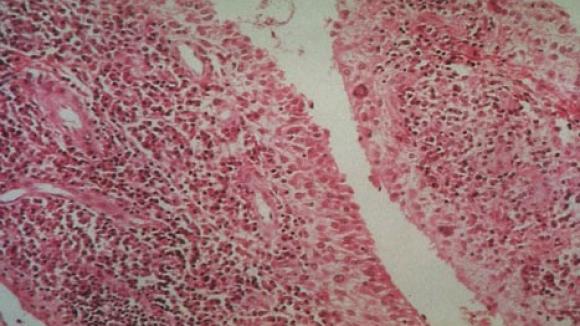
Research work from the Accelerating Medicines Partnership (AMP: RA/SLE) Network, was published in Nature and more specifically characterizes RA synovium into several cell-type abundance phenotypes (CTAPs). Could CTAPs known disease features or more effective future therapies?
A recent CDC reports estimates that in 2019–2021, 21% of U.S. adults (53.2 million) have physician diagnosed arthritis. Now, an updated report shows a larger number (~33%) of U.S. veterans having diagnosed arthritis. Compared to nonveterans, this prevalence was double in men, and 60% higher in women.
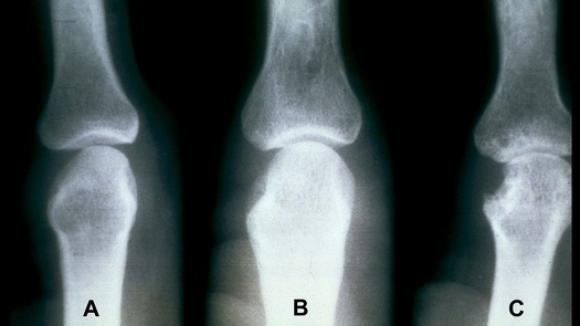
The American College of Rheumatology's (ACR) has published a preview of new research from ACR Convergence 2023 showing that AI and a deep learning system could accurately identify and predict joint space narrowing and erosions in hand radiographs of patients with rheumatoid arthritis (RA).