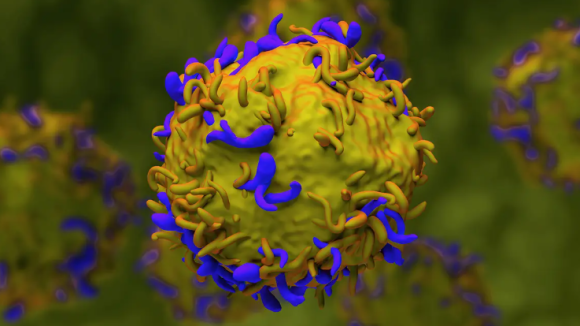
The NEJM has published a report from van Vollenhoven et al showing a new dual B cell inhibitor, telitacicept, to be effective when given to active systemic lupus erythematosus (SLE) patients; but this comes with a few safety concerns.

All News
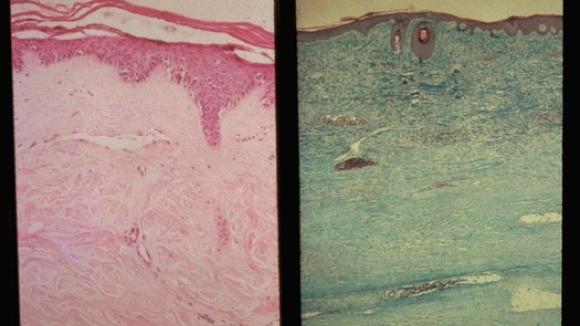
Researchers from the Hospital for Special Surgery and Weill Cornell Medicine have shown that skin biopsies in patients with systemic sclerosis (SSc) can define a fibroblast immunophenotype that may have prognostic and early treatment decision impact.
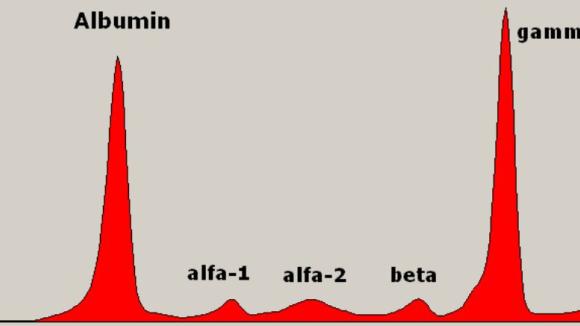
NEJM has reviewed the common hematologic/immunologic finding of "monoclonal gammopathy of undetermined significance" (MGUS) - a common premalignant plasma-cell proliferative disorder found in approximately 5% of those over age of 50 years.
Tramadol not effective at chronic pain
The strong opioid painkiller, tramadol, is not that effective at easing chronic pain for which it’s widely prescribed, finds a pooled data analysis of the available research, published online in BMJ Evidence Based Medicine.
Sequencing DNA to find new lupus treatments
Medical University of South Carolina geneticist Betty Tsao, Ph.D., will lead a five-year project to identify rare mutations associated with childhood-onset systemic lupus erythematosus (SLE), or lupus, with more than $3.5 million in funding from the National Institute of Arthritis and Musculoskeletal and Skin Diseases (NIAMS). Tsao holds the Richard M. Silver Endowed Chair for Inflammation Research in the Division of Rheumatology and Immunology at MUSC.
Dr. Jack Cush reviews the news, journal reports and important associations in rheumatology from the past week on RheumNow.com.
Rheumatoid arthritis begins long before symptoms
Scientists have discovered that rheumatoid arthritis (RA) doesn’t start when the pain begins. It silently starts years earlier.The new research reveals that people at risk for RA experience dramatic immune system changes long before they feel symptoms.
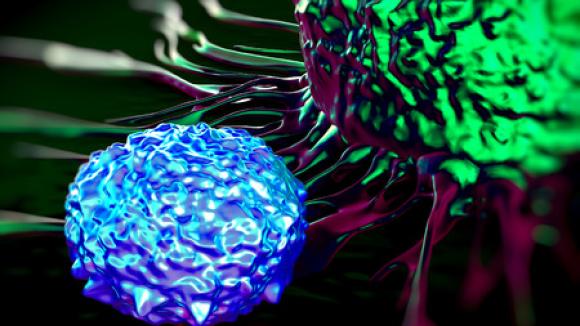
Five patients with systemic lupus erythematosus (SLE) in China have been treated with a potentially groundbreaking form of chimeric antigen receptor (CAR) T-cell therapy, researchers reported, with encouraging results after 3 months.