
Article
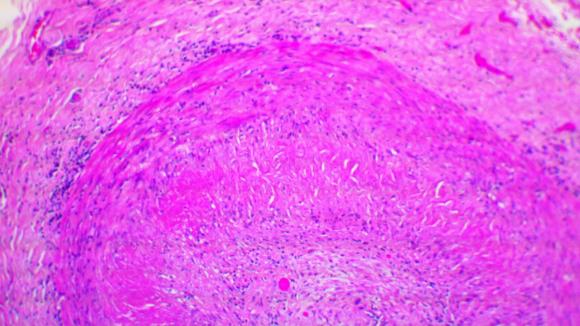
Lancet has reported the results of a randomized, double-blind, placebo-controlled trial of tocilizumab in patients with new-onset giant cell arteritis (GCA).

Search for Terms or Answers
Lancet has reported the results of a randomized, double-blind, placebo-controlled trial of tocilizumab in patients with new-onset giant cell arteritis (GCA).
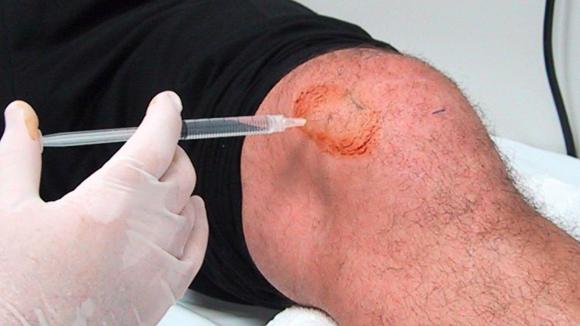
Hip and knee intraarticular injection of corticosteroids are frequently prescribed to alleviate pain or inflammation in patients with osteoarthritis and rheumatoid arthritis, especially in the period leading up to scheduled arthroplasty.
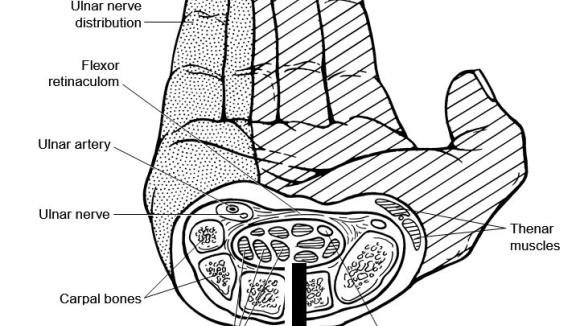
Three million Americans are diagnosed with carpal tunnel syndrome each year.
Chronic liver disease, and in particular hepatitis B infection, is a contraindication to methotrexate (MTX) use.
Clinicians often face the issue of using a TNF inhibitor (TNFi) in patients with heart failure or cardiac disease. Here are the facts and data necessary to make a cogent decision to use or avoid TNFi.
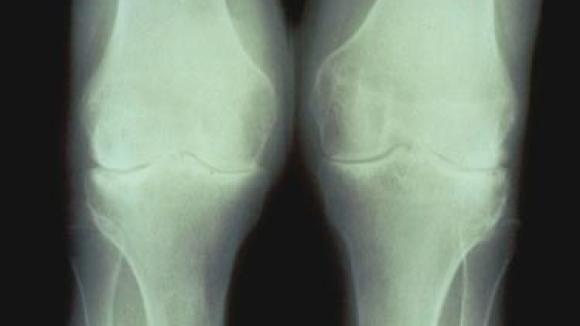
Two population-based cohorts from Ontario (ON) and Quebec (QC) were used to assess if early DMARD influenced the need for joint replacement surgery among elderly patients with incident rheumatoid arthritis.
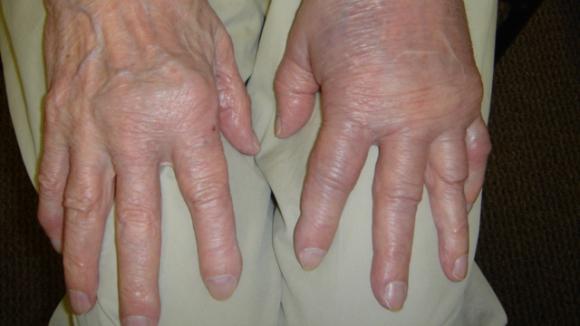
A recent review compared elderly-onset rheumatoid arthritis (EORA) to those with younger-onset rheumatoid arthritis (YORA) to assess treatment responses and safety issues with biologics and DMARDS. EORA is generally defined as the onset of rheumatoid arthritis after age 60 years.
Most people can’t live without their cell phone. But does the device define the modern medicine man and woman?

An emergency department based study evaluated the efficacy and safety of oral prednisolone versus indomethacin in 416 patients with acute gout in a multicenter, double-blind, randomized trial.

The following is a collection of cases presented to me by rheumatology colleagues. Each has a challenging therapeutic or safety issue. Answers are based on experience with references from literature and guidelines.

In the current issue of Lancet, Pierre Miossec discusses the challenges of studying and managing juvenile dermatomyositis and, specifically, the
Pulmonary hypertension is an uncommon complication of systemic sclerosis (SSc) and historically thought to slowly evolve in those with limited scleroderma over many years.
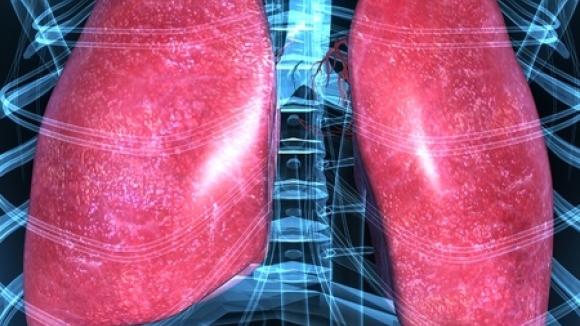
Optimal sleep duration for adults is suppose to be 7 or more hours of sleep each night. Shorter sleep duration (7 hours per night) is associated with greater likelihoods of obesity, high blood pressure, diabetes, coronary heart disease, stroke, frequent mental distress, and death.

CBC…it’s easy as 123! The complete blood count (aka, CBC) is the most routine, but indispensable, of all medical assessments.
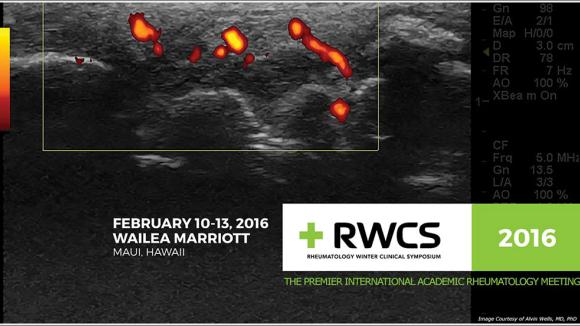
A recent report cites the frequency of musculoskeletal (MSK) ultrasound (US) education in US residency and fellowship training programs.

Whether lupus activity is ameliorated by end-stage renal disease (ESRD) or transplantation has been debated.

Update on Ankylosing Spondylitis and Spondyloarthritis
Overall survival and survival free of end-stage renal disease (ESRD) have both improved significantly over time in patients with anti-neutrophil cytoplasmic antibody (ANCA)-associated vasculitis (AAV), but the risk of relapse has not.

Once the clock runs out on teriparatide (TPTD or Forteo), what is the next best option?

The mantra of rheumatologists worldwide is to treat rheumatoid arthritis (RA) earlier and more aggressively. While referral of early RA patients has improved, there is little data demonstrating that more aggressive treatment works or is cost effective.

By downloading this material, I acknowledge that it may be used only for personal use and personal education and that I will accredit RheumNow.com as the source and owner of this material. Commercial use or mass reproduction of this material without permission from RheumNow (info@rheumnow.com) is prohibited.

