Treat-to-target strategies are not a new concept in rheumatology. It has shown to improve patient outcomes and quality of life in RA and PsA, and is now being increasingly adopted not only in SLE research but also in clinical practice. This article reviews key highlights from Dr. Eric Morand’s plenary session lecture on Treat to Target in SLE: Current Evidence and Future Directions, presented during the recent APLAR 2025 Congress.

All News
Dr. Jack Cush reviews the news and journal reports from the past week on RheumNow.com. Are there benefits to diet or vegan diets? What's the effect of menopause on CTD? Ro52 makes a big entrance with all our ILD coverage this month.
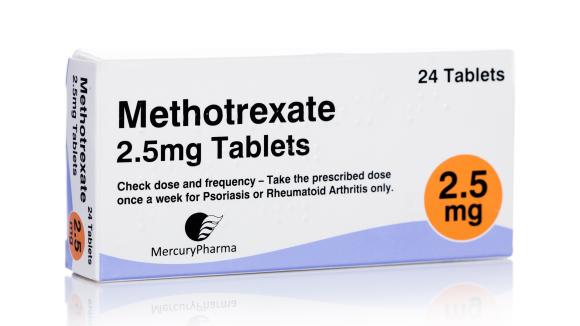
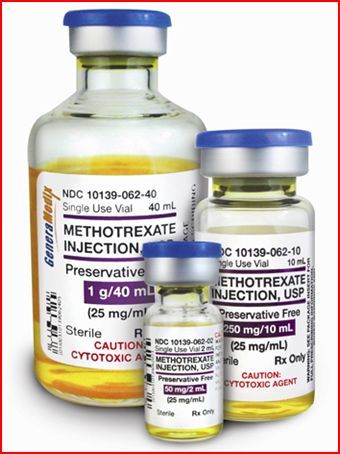
Split dose weekly, oral methotrexate (MTX) was shown to be superior to single dose MTX in treating active rheumatoid arthritis (RA) patients.
In one of the SLE sessions at the APLAR 2025 Congress, Prof. Sandra Navarra discussed the assessment and management of osteoporosis in SLE patients, particularly glucocorticoid-induced osteoporosis (GIOP) and this article reviews the highlights and key takeaways from her talk.
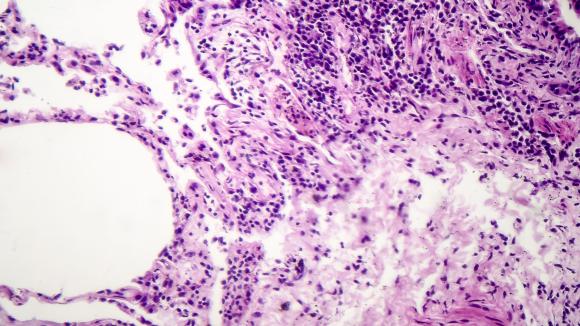
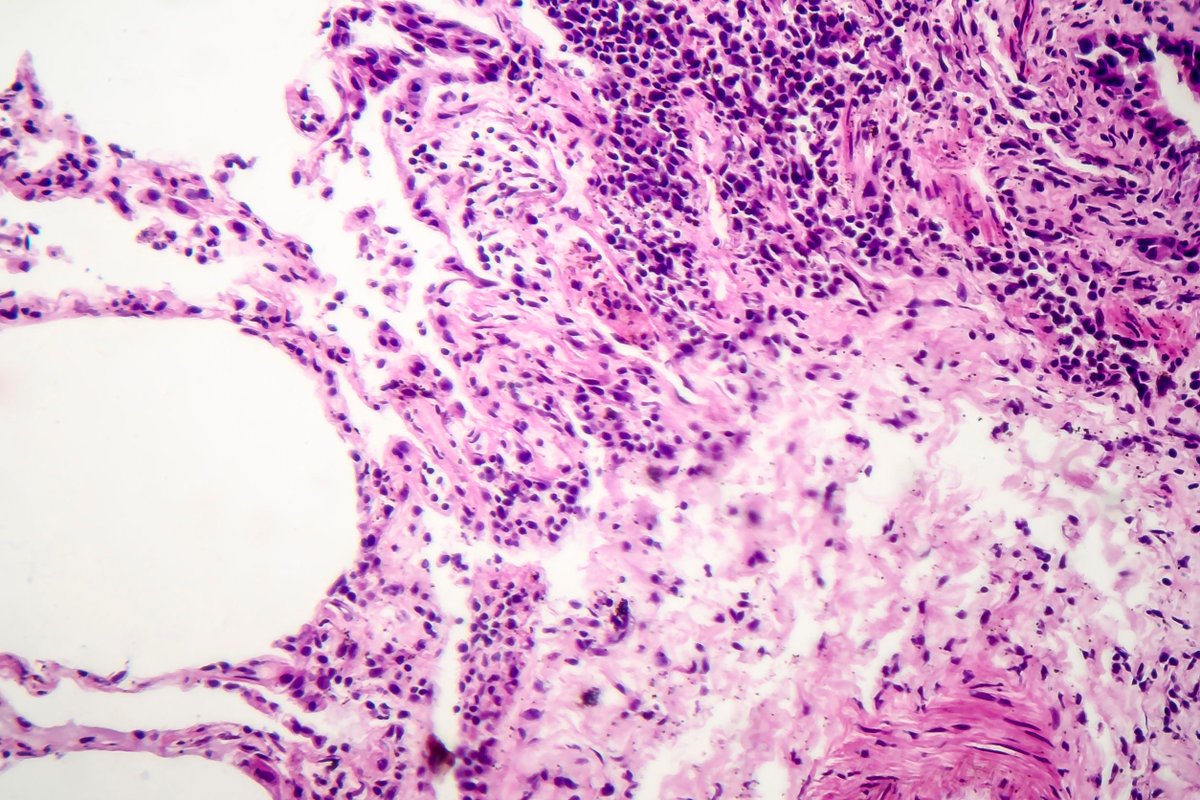
Rheumatologists typically manage systemic autoimmune rheumatic diseases (SARD) and associated interstitial lung disease (ILD) with immunosuppressants. However, evidence increasingly supports also the use of antifibrotic agents in this setting.
The European Respiratory Society (ERS) and European Alliance of Associations for Rheumatology (EULAR) have published clinical practice guidelines for the evaluation and management of connective tissue diseases (CTD) associated interstitial lung disease (ILD) in two simultaneous publications in the European Respiratory Journal and Annals of Rheumatic Diseases.
The COLCHICORT trial in acute calcium pyrophosphate (CPP) crystal arthritis patients showed that colchicine was inferior to prednisone treatment and that responses were also influenced by other factors.
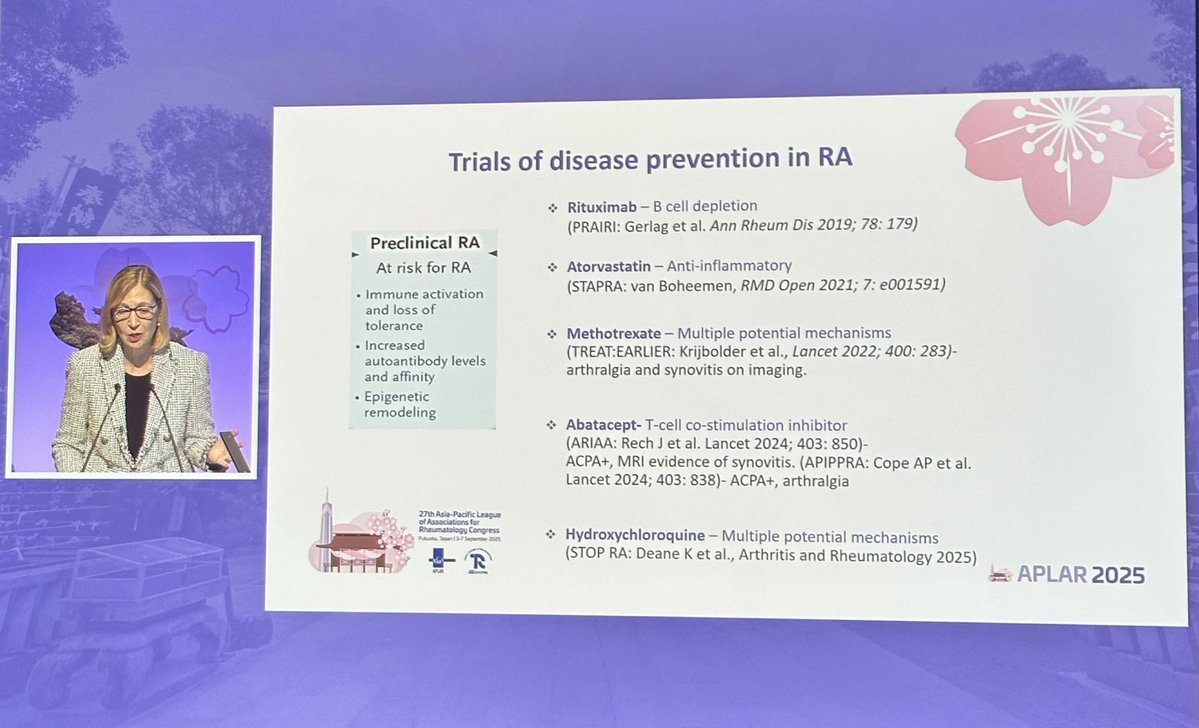
Peter Taylor describing the range of potential benefits of Interception strategies in Pre-RA: A) From Ideal: full interception B) To Good outcome: stratified intervention based on high risk population for delay/interception C) To ?Beneficial: attenuate severity of established RA https://t.co/6mqA9tV7ME