
Article
Is there ‘bang for the buck’ using big data to help predict who will develop RA in at-risk populations and similarly to predict response to csDMARDs, TNFi and JAKi in RA?

Search for Terms or Answers
Is there ‘bang for the buck’ using big data to help predict who will develop RA in at-risk populations and similarly to predict response to csDMARDs, TNFi and JAKi in RA?
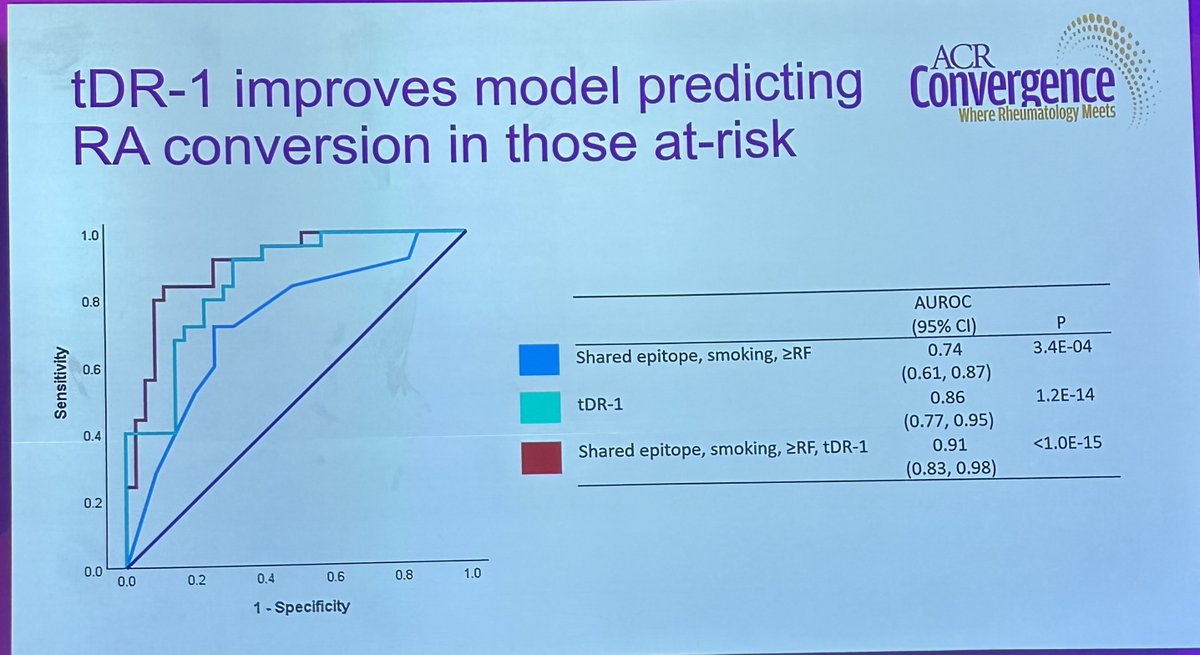
Artificial intelligence isn’t a distant frontier anymore. It’s here, and it appears able to detect signs of rheumatoid arthritis, possibly before we can clinically detect it. Two studies presented at this year’s ACR meeting highlight just how close we may be to a future where algorithms flag disease before we can and monitor activity with minimal patient burden.

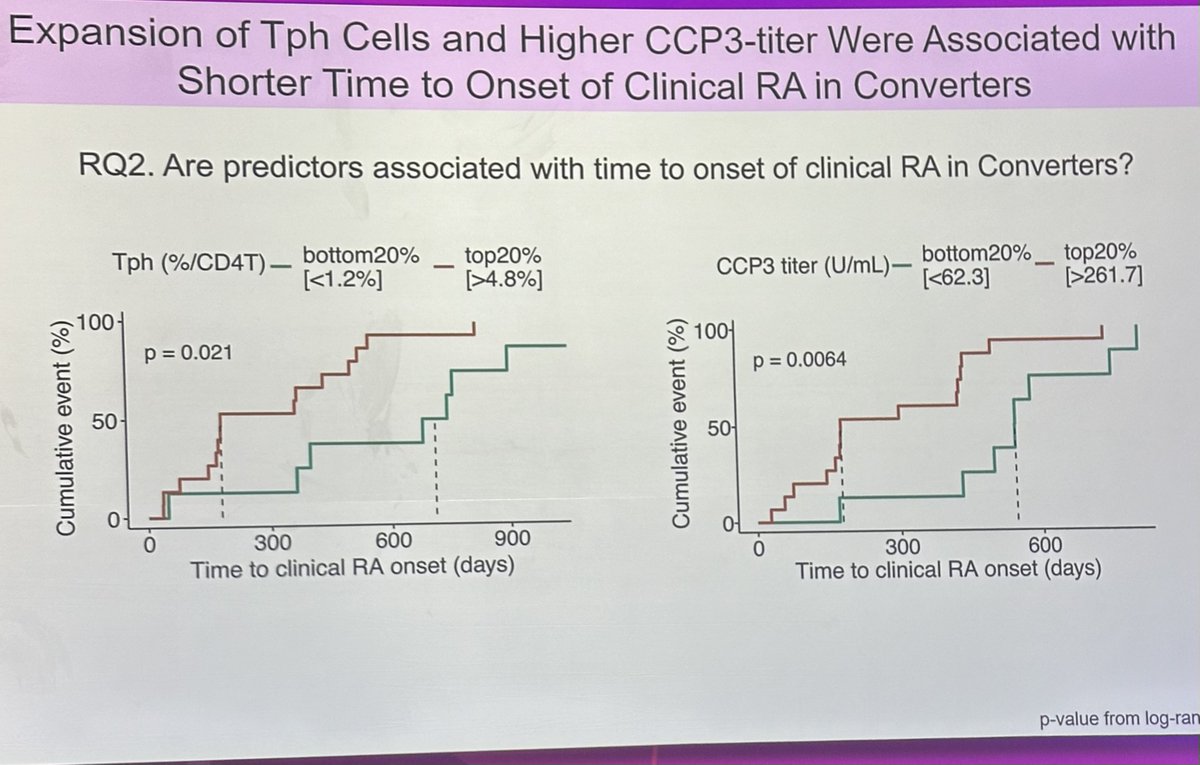
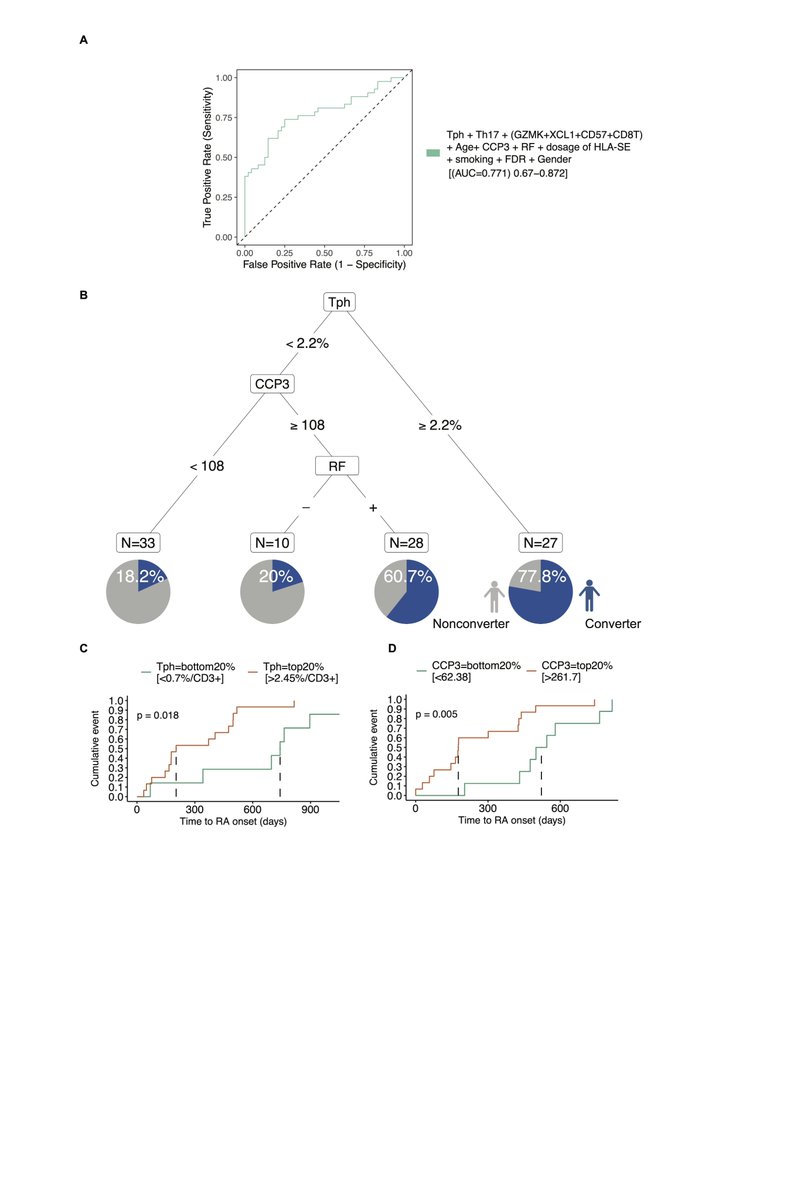
We know that pre-RA is a definition that stands under a large umbrella, ranging from asymptomatic individuals with ACPA positivity to individuals with symptomatic pre-clinical synovitis. How can we predict the transition from the at-risk state to clinical RA outside the realm of clinical, conventional serological (RF/anti-CCP) or imaging (US/MRI synovitis) biomarkers?



Albach et al. CAR T-cells in D2T RA. 6 patients. Safety looks ok. ACR20 in 4/6, ACR50 in 2/6. ACPA and RF disappeared. Results maybe not as positive as we might have anticipated? @RheumNow #ACR25 Abstr#471 https://t.co/TaEVWiWsNm




By downloading this material, I acknowledge that it may be used only for personal use and personal education and that I will accredit RheumNow.com as the source and owner of this material. Commercial use or mass reproduction of this material without permission from RheumNow (info@rheumnow.com) is prohibited.


