

All News

MSK Manifestations in Pediatric IBD
Arthritis and musculoskeletal (MSK) symptoms may accompany pediatric-onset inflammatory bowel diseases (pIBD) as an extra-articular intestinal manifestation, but may vary in presentation and clinical course.
https://t.co/VoU3itr0EM https://t.co/ar19JdrsHH
Dr. John Cush RheumNow ( View Tweet)

Mediterranean Diet Efficacy in Psoriasis
A small clinical trial found that a 16-week Mediterranean diet reduced psoriasis severity, presumably due to anti-inflammatory benefits of extra virgin olive oil, plant-based foods, and moderate meat consumption, according to a study https://t.co/nAVgtOq26l
Dr. John Cush RheumNow ( View Tweet)

~1/3 non-IPF ILD progresses over time. KL-6, a new biomarker, retro study of 10 European centers, 303 pts - 37% progressed (⩾10% FVC decline) after 1yr. 5 predictors of progression: age, gender, BMI, FVC, KL-6. (superior to KL-6 alone) w/ 55% sensitivity, 73% specificity 67% https://t.co/i0Uc8DPHaM
Dr. John Cush RheumNow ( View Tweet)
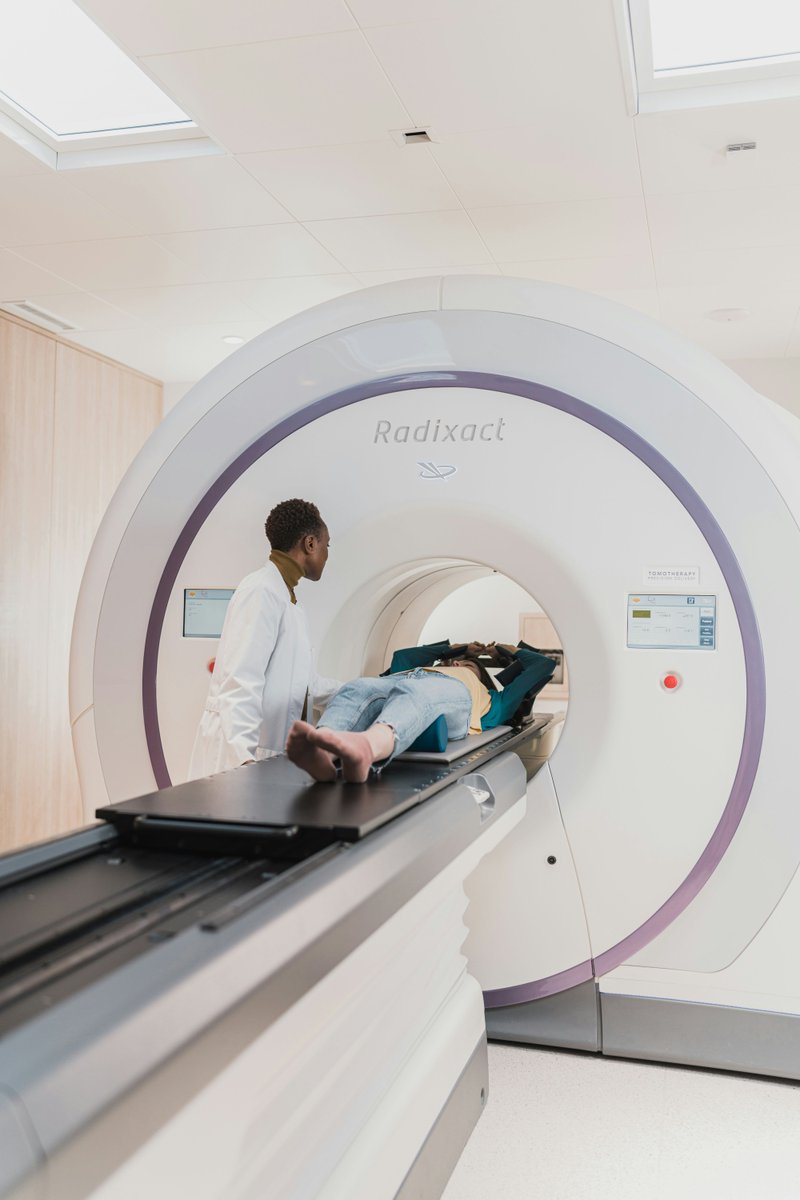
Whole Body MRI for Arthritis
Whole-body MRI (wbMRI) reviews have increasingly appeared in the medical literature, owing to better scanners, faster imaging times and reduced costs. Use of such non-oncologic musculoskeletal imaging provides high-contrast resolution images of the https://t.co/6RIrDOwQx2
Dr. John Cush RheumNow ( View Tweet)

Review: Monoclonal Gammopathy of Undetermined Significance
NEJM has reviewed the common hematologic/immunologic finding of "monoclonal gammopathy of undetermined significance" (MGUS) - a common premalignant plasma-cell proliferative disorder found in approximately 5% of those https://t.co/kleuYayTZW
Dr. John Cush RheumNow ( View Tweet)

Rheumatic and musculoskeletal disorders in musicians: Famous musicians/performers with Rheumatic dz and the most common disorders reviewed. https://t.co/FitQpg4KvC https://t.co/ch8V2WGJXm
Dr. John Cush RheumNow ( View Tweet)
Tramadol not effective at chronic pain
The strong opioid painkiller, tramadol, is not that effective at easing chronic pain for which it’s widely prescribed, finds a pooled data analysis of the available research, published online in BMJ Evidence Based Medicine. https://t.co/zFWwyy1j3O
Dr. John Cush RheumNow ( View Tweet)

"It is much more important to know what sort of a patient has a disease than what sort of a disease a patient has." – William Osler
Dr. John Cush RheumNow ( View Tweet)

Review of GLP-1 agonist use in rheumatology - with benefits beyond DM, obesity, improved survival, reduced major cardiovascular and renal events. Anti-inflammatory & chondroprotective effx shown benefit in knee OA & pain. GLP-1RAs do not prevent gout attacks. More research https://t.co/8zh18mlYDh
Dr. John Cush RheumNow ( View Tweet)
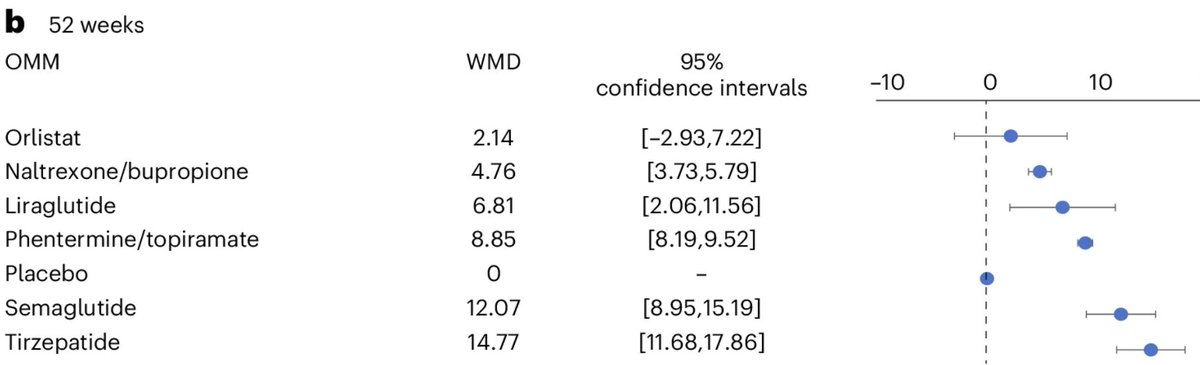
Systematic review of obesity management meds - 56 RCTs (60,307 pts). All OMMs were better at total weight loss than PBO (P < 0.0001), >10% semaglutide & tirzepatide (both effective at NIDDM CHF). Semaglutide effective reducing pain in knee osteoarthritis https://t.co/4MX2IiDC2X
Dr. John Cush RheumNow ( View Tweet)

Activity Trackers Can Predict RA Flares
People with rheumatoid arthritis (RA) who experienced disease flares often showed changes in heart rate and physical activity captured by popular wearable devices 4 weeks before they became clinically apparent, a small study indicated. https://t.co/LjE0LkJTrB
Dr. John Cush RheumNow ( View Tweet)

NY Times on Osteoporosis in Men
The NY Times has addressed the problem of osteoporosis in men noting a need for increased awareness and screening...
Read more: https://t.co/SzNtuPllY6 https://t.co/13EcEfv4ab
Dr. John Cush RheumNow ( View Tweet)

HMGCR Abs is assoc w/ necrotizing myopathy. Review of 78 pts w/ HMGCR IMNM. 31 had overlap w/ higher MMT-score, less muscle weakness, more ILD, arthralgia, wt loss & rash. 12 had musc. dystrophy like dz w/ earlier onset, longer duration, less myalgia & extramuscular Sxs https://t.co/RpzZI0zI7E
Dr. John Cush RheumNow ( View Tweet)
Systematic review of Still's Dz (240 articles, 95 sJIA, 134 AOSD, 23,136 pts); sJIA Dx by ILAR in 78% & AOSD used Yamaguchi criteria 98%. While clinical and lab findings were matched betw AOSD & sJIA, there was variability in MAS , outocmes & trajectory. Standarization needed
Dr. John Cush RheumNow ( View Tweet)

RheumNow is LIVE from #ACR25 Oct 24–29.
KOL perspective videos, clinical-trial highlights, daily recaps & live streaming—all in one feed. https://t.co/pPwJNOyEFU
Dr. John Cush RheumNow ( View Tweet)

Associations in Rheumatology (10.3.2025)
Dr. Jack Cush reviews the news, journal reports and important associations in rheumatology from the past week on RheumNow.
https://t.co/pnLoquR4By https://t.co/PKJuxMGrZy
Dr. John Cush RheumNow ( View Tweet)

German survey of 124 AOSD pts - Dz duration 7 yrs (Dx delay 2 yrs), 2/3 on biologics, 84% responding, 81% inactive by CRP. MDs report 35% of pts Sx-free. More Patients report Persistent Sxs LBP (39.5%), fatigue/weakness (39%), & joint inflammation (27%). https://t.co/2FGUPrhB8H
Dr. John Cush RheumNow ( View Tweet)

Phase 3 RCT Cannabis sativa DKJ127 (VER-1) in 820 chronic low back pain (cLBP) pts. Primary endpt at wk 12 showed pain reduction of −1.9 NRS VER-01 vs −0.6 PBO (P < 0.001). Pain further decreased to −2.9 w/ 6 mos OL Rx. VER-1 was well tolerated. No addiction https://t.co/IeCV8tU2WR
Dr. John Cush RheumNow ( View Tweet)

Systematic review of obesity management meds - 56 RCTs (60,307 pts). All OMMs were better at total weight loss than PBO (P < 0.0001), >10% semaglutide & tirzepatide (both effective at NIDDM CHF). Semaglutide effective reducing pain in knee osteoarthritis https://t.co/nbdZfBDukE
Dr. John Cush RheumNow ( View Tweet)

Guselkumab FDA Approved for Pediatric Psoriasis and Psoriatic Arthritis
FDA announced yesterday that guselkumab (Tremfya) is approved for use in pediatric patients moderate to severe plaque psoriasis (PsO) or active psoriatic arthritis (PsA) in children six years and older https://t.co/GHjCgqHaJC
Dr. John Cush RheumNow ( View Tweet)

