Bad things happen when our patients go into the ICU and it's not always due to the disease. Good things happen when we rise from sitting. And guess what? Rheumatologists are setting cardiology straight about hydroxychloroquine and chloroquine. This, and a special recognition of parent-child rheumatologists, along with the news and articles from this week on RheumNow.

All News
National Health Data from France examined biologic use in patients with moderate to severe psoriasis, and found the risk of serious infections (SIE) to be increased with some biologics (infliximab and adalimumab), but not others (etanercept, ustekinumab IL-17 and IL-23 inhibitors or apremila
The Annals of Internal Medicine reports that targeting B-cells in refractory systemic lupus erythematosus (SLE) with sequential belimumab after rituximab may significantly reduce dsDNA antibody titers and lessen the number of future severe flares.
RA patients have an increased risk of venous thromboembolism (VTE) related to disease activity and inflammation, yet a large real-world study of older RA patients shows methotrexate to be associated with a 2-fold increased VTE risk (compared to hydroxychloroquine).
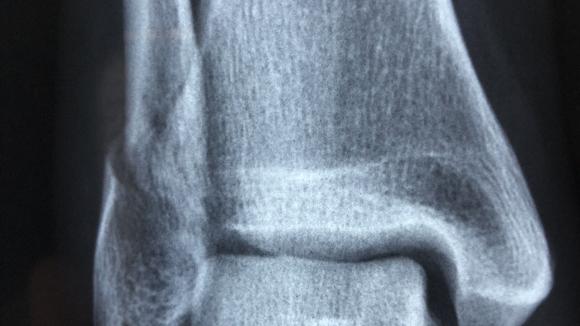
A controlled trial of intra-articular platelet-rich plasma (PRP) injections into the ankle of osteoarthritis (OA) patients failed to improve ankle symptoms and function when compared to placebo injections - yet another trial showing that intraarticular injections are seldom beneficial.
Today, Lilly and Pfizer announced their global clinical development of the NGF inhibitor, tanezumab, has been discontinued due to recent negative opinions from the EMA and FDA advisory committee.
The current issue of the NEJM has two articles on nonalcoholic fatty liver disease (NAFLD also called NASH - nonalcoholic steatohepatitis), one dealing with the prognoses, outcomes and mortality of NAFLD and another prospective and promising interventional trial in NASH patients.
Healthcare is a personal and individualized relationship between a provider and patient. Each patient is treated according to their particular symptoms and personal health characteristics.
Pregnancy outcomes may be affected by psoriatic arthritis or antirheumatic treatment; registry cohort study shows that preterm birth and cesarean delivery were mostly increased by antirheumatic treatment, especially biologics.
Today I have a few questions: Is tramadol really a weak narcotic? Should we really still be doing placebo-controlled trials? What are we going to do about our patients who are smokers? This and more, in this week's review of the news and journal articles.
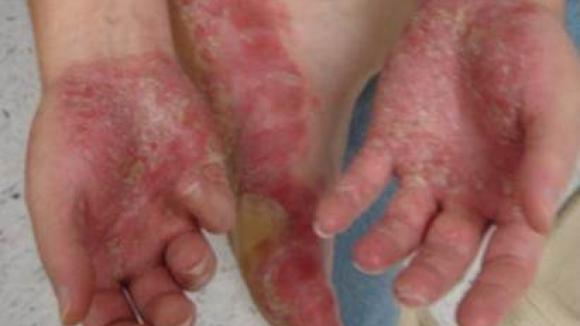
Stevens-Johnson syndrome (SJS) and toxic epidermal necrolysis (TEN) are among the most severe drug reactions, as they come with substantial mortality and morbidity. A review of European centers dealing with SJS and TEN shows that despite best treatment practices, the 6-week mortality rate was 21%.
Heart Failure in RA: Inflammation Matters
Patients with rheumatoid arthritis (RA) who had high levels of inflammation at baseline were at increased risk for later heart failure, a large cohort study found.
Registry level data of patients with immune-mediated inflammatory diseases (IMIDs) diagnosed with COVID-19 should continue their TNF inhibitor (TNFi) therapy as such patients were less likely to experience adverse COVID-19 outcomes (compared to other immunomodulatory treatments).
B-cell depletion therapy with obinutuzumab, a type II anti-CD20 monoclonal antibody, in lupus nephritis patients was shown to be effective in in combination with standard lupus therapies.
Tight-control or treat-to-target (T2T) strategy is advocated in several diseases, but the recent TICOSPA trial in axial spondyloarthritis (axSpA) showed that T2T was not superior to usual care (UC).
A recent analysis shows thta glucocorticoids (GCs), usually recommended for short-term use in rheumatoid arthritis (RA), are variably used by rheumatologists, and that provider preference is a strong predictors of long-term glucocorticoid use.
Dr. Jack Cush reviews the FDA approvals, news and the latest journal articles from the past week on RheumNow.com.
EULAR has updated its recommendations (points to consider - PtC) for rheumatologists managing patients during COVID-19; now with 2 overarching principles and 12 PtC.
Both systemic onset juvenile idiopathic arthritis (sJIA) and adult-onset Still’s disease are acquired autoinflammatory disorders of uncertain etiology. Yet recent reports of AOSD onset and flare following COVID-19 vaccinations may have important mechanistic implications.
A randomized controlled trial has shown that treatment of plaque psoriasis via costimulatory blockade ( CD28/B7) with abatacept did not prevent psoriasis relapse after withdrawal of ustekinumab.