

These abstracts and presentations were presented last week on the 12th and 13th of June at the EULAR 2015 annual meeting in Rome.
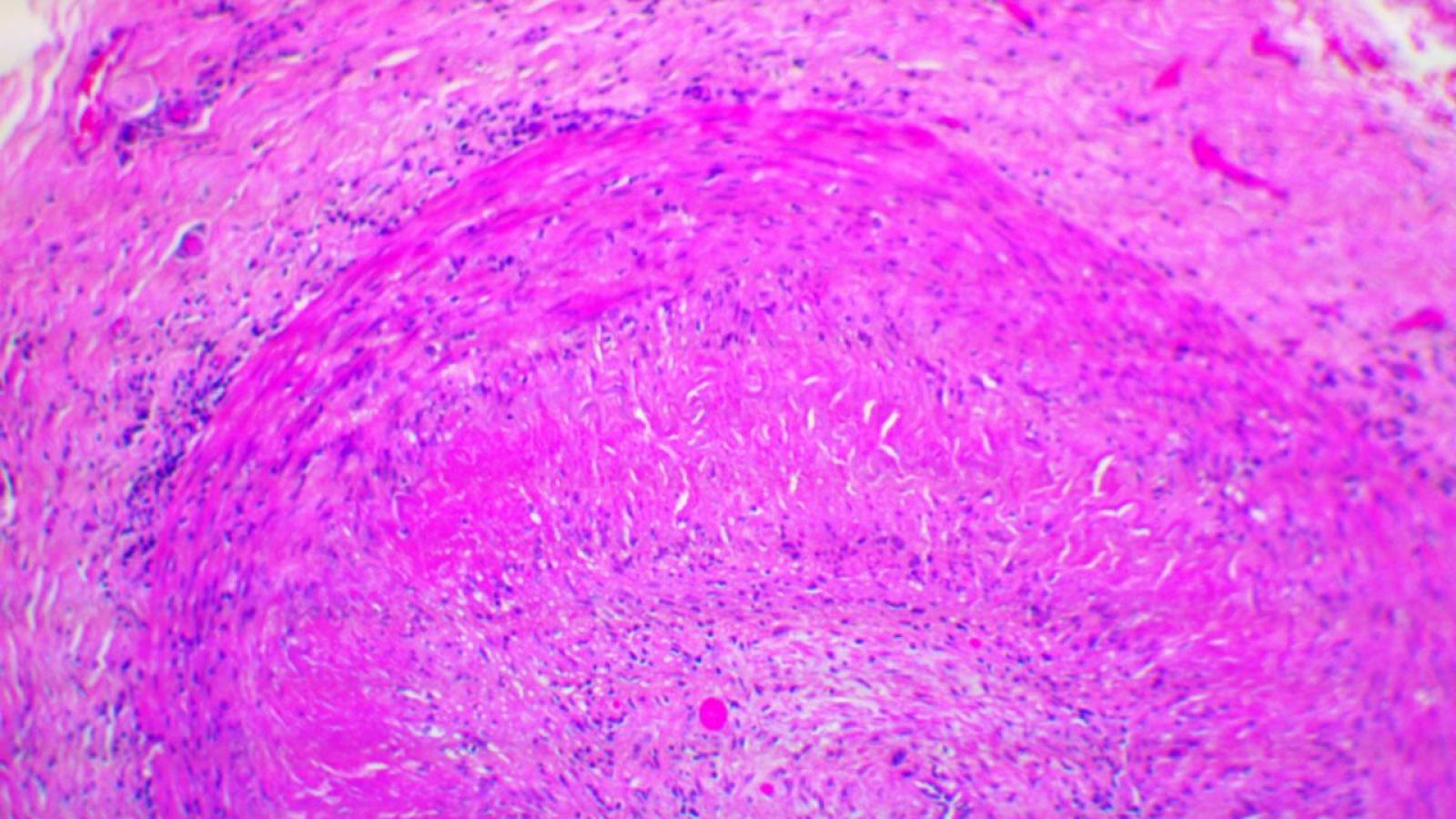
Varicella-zoster virus infection was studied in temporal artery biopsies from those suspected of having giant cell arteritis. VZV antigen was found in 61/82 (74%) GCA-positive temporal arteries (TA) compared with 1/13 (8%) normal TAs (p 0.0001, with RR=9.67, 95% CI ;1.46, 63.69). Most GCA-positive TAs contained viral antigen in skip areas. VZV antigen was present mostly in adventitia, followed by media and intima.
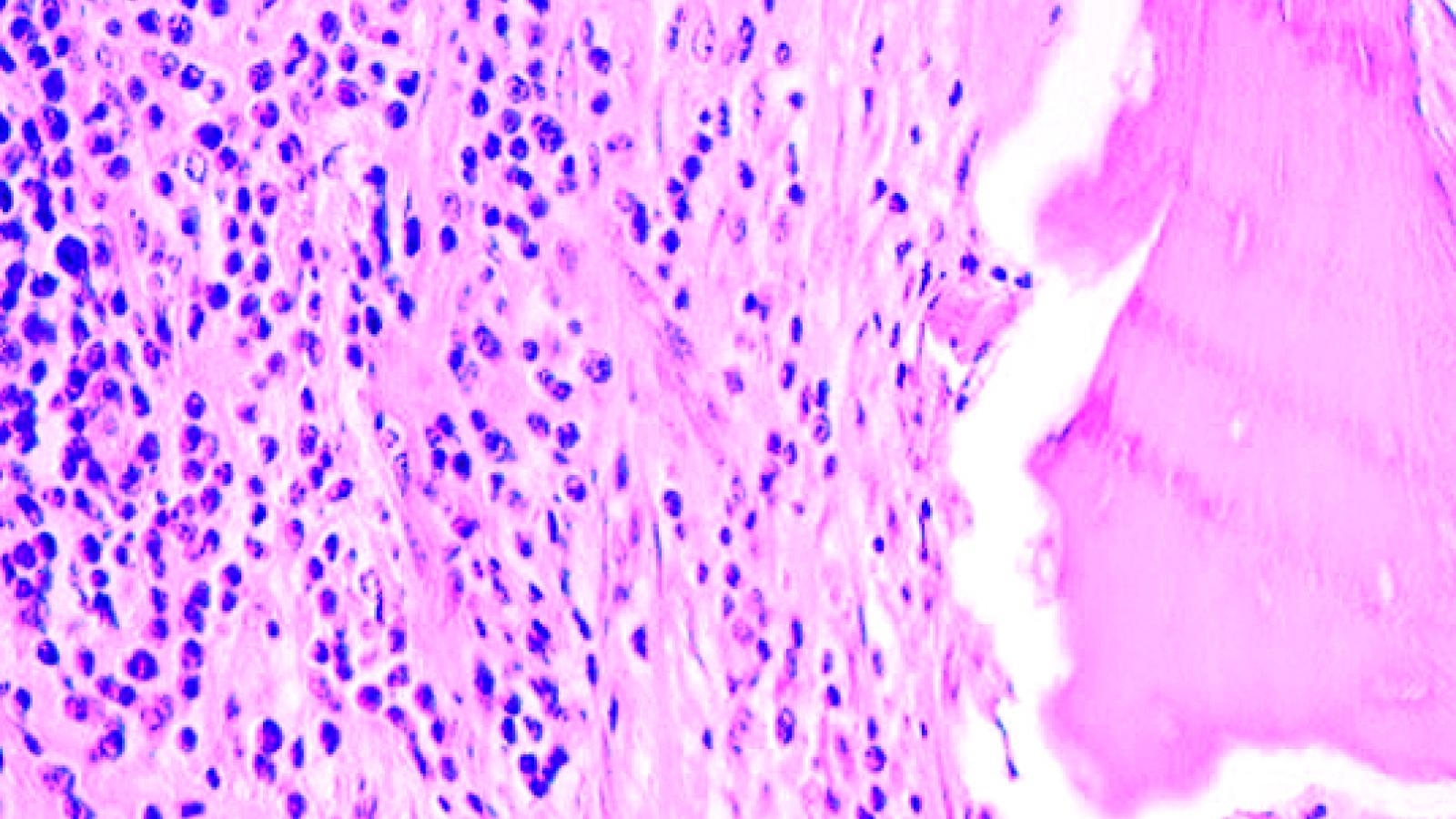
A Mayo Clinic analysis of trends in osteomyelitis disclosed 760 new cases between 1969 and 2009 in Olmstead county. Rates increased from 11.4 cases per 100,000 person-years for the period from 1969 to 1979 to 24.4 per 100,000 person-years in the period from 2000 to 2009. Rates were stable in children but tripled in those over age 60 years, especially amongst diabetics. Forty percent were due to Staphylococcal infection.

Researchers at Johns Hopkins, Mayo Clinic and the NIH have determined that solar cycles and geomagnetic effects may account for the incidence of RA and PMR. Adjusted yearly trends in the incidence of RA and PMR were found to significantly correlate with the F10.7 index and AL index (measures of solar energy and geomagnetic activity).
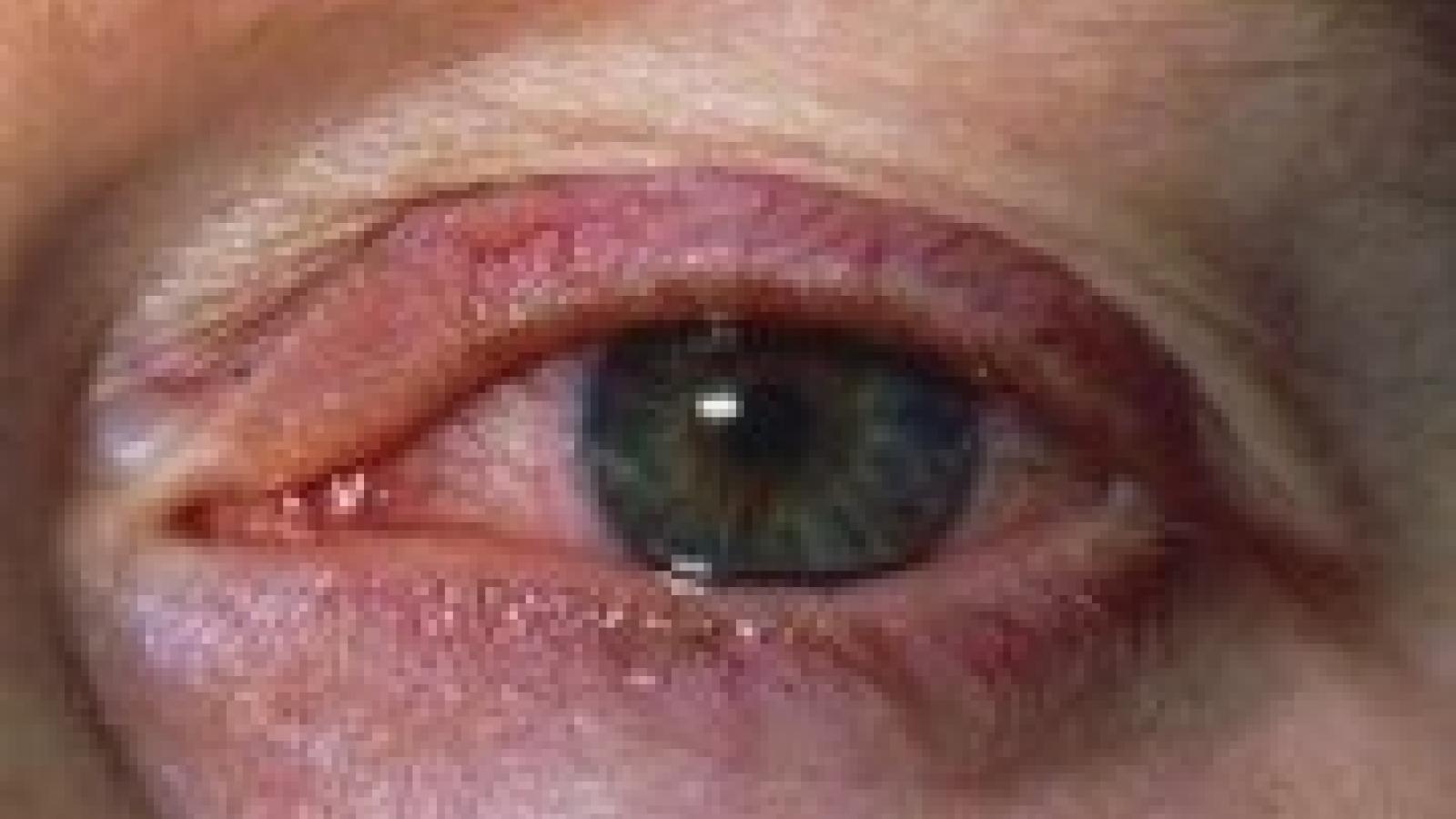
Claims data analysis of 2115 ankylosing spondylitis patients without uveitis who started TNF inhibitor therapy revealed that the median time to the onset of uveitis was longest for those taking adalimumab (243 days), followed by etanercept (182 days) and infliximab (144 days). The incidence rate for uveitis over 1 year was lowest for patients who received adalimumab (2.4%), highest for patients who received etanercept (4.5%

Between 2010 and 2013, $95 billion in branded pharmaceutical patents will have expired, leading to significantly higher sales opportunities for those manufacturing generics and biosimilars.

Physicians at the 2015 AMA Annual Meeting passed policy calling on CMS not to withhold claim payments based on coding errors, mistakes or malfunctions in the system for two years directly following ICD-10 implementation.
These abstracts and presentations were presented 12 June at the EULAR 2015 annual meeting.
These abstracts and presentations were presented Thursday 11 June at the EULAR 2015 annual meeting.
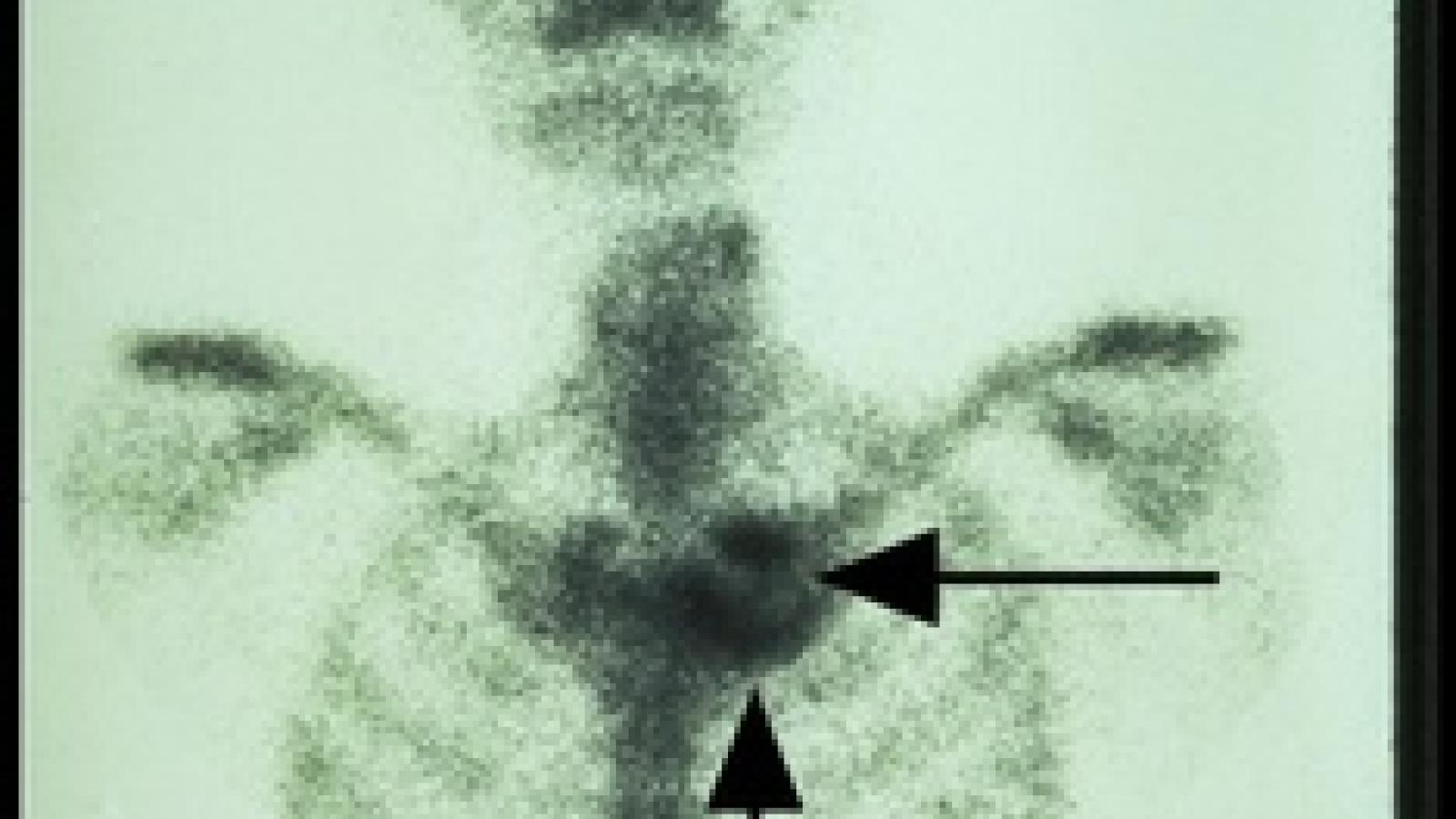
A EULAR task force of 21 rheumatologists and radiologists from 11 countries examined 12 clinical/imaging questions and reviewed the literature to establish consensus on imaging for spondyloarthritis in practice. For axial SpA, conventional radiographs should be used first, but MRI may be used in young patients, new-onset patients or when the diagnosis is suspected and X-rays are negative.

EULAR 2015 started the afternoon of Wednesday June 10th.
In addition to several overview sessions (psoriatic arthritis, osteoporosis, autoinflammatory disease), EULAR presented its guidelines for 1) Cardiovascular diseases in RA, 2) Management of Comorbidity, and 3) Management of Psoriatic Arthritis.Later in the week, EULAR guidelines on Systemic Sclerosis will be presented.
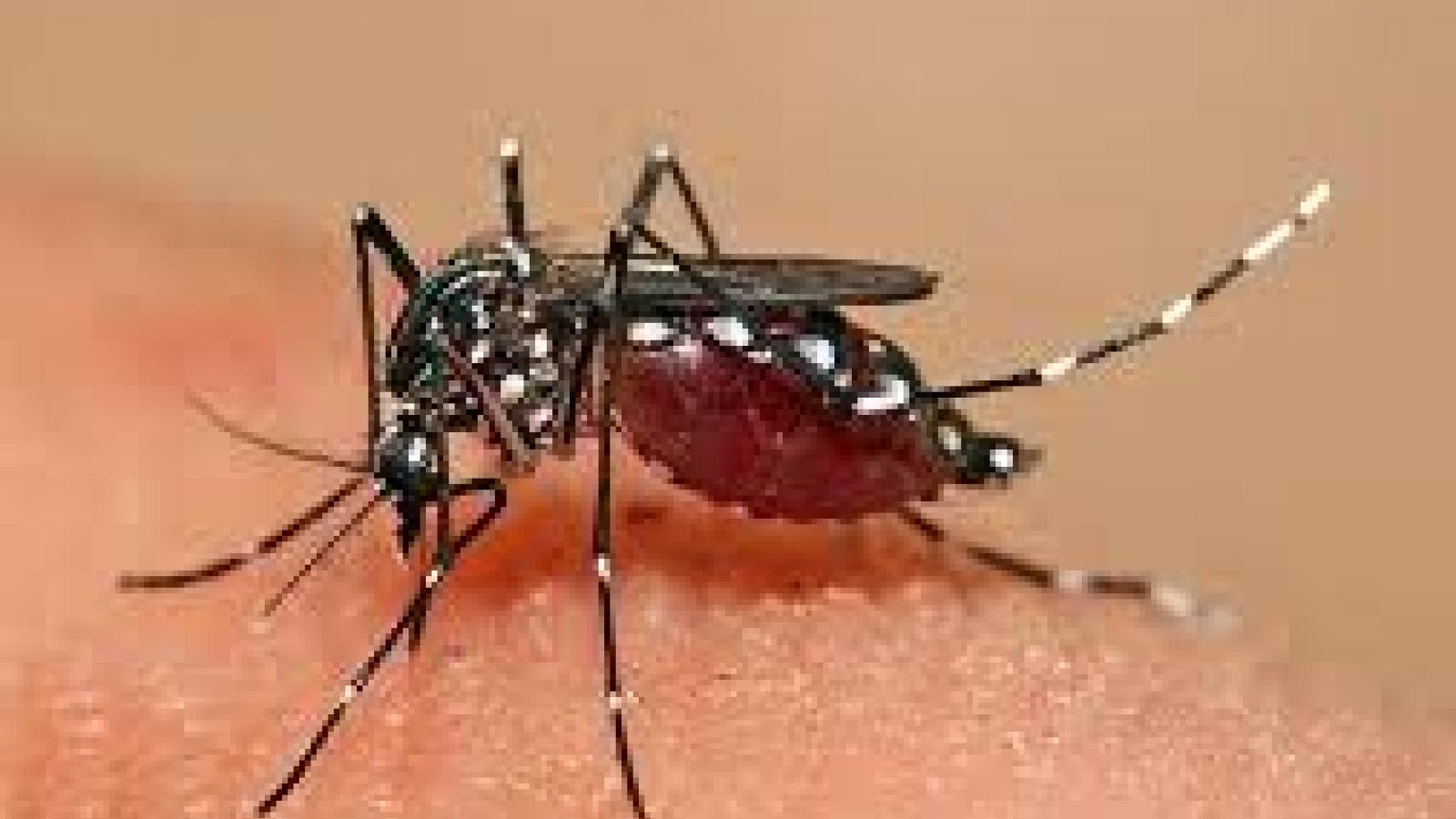
Chikungunya is a new viral cause of fever and arthritis, especially in endemic areas like the caribbean. The chikungunya epidemic has grown significantly in the Western hemisphere with a total of 1,247,000 cases and 183 fatalities since December 2013.
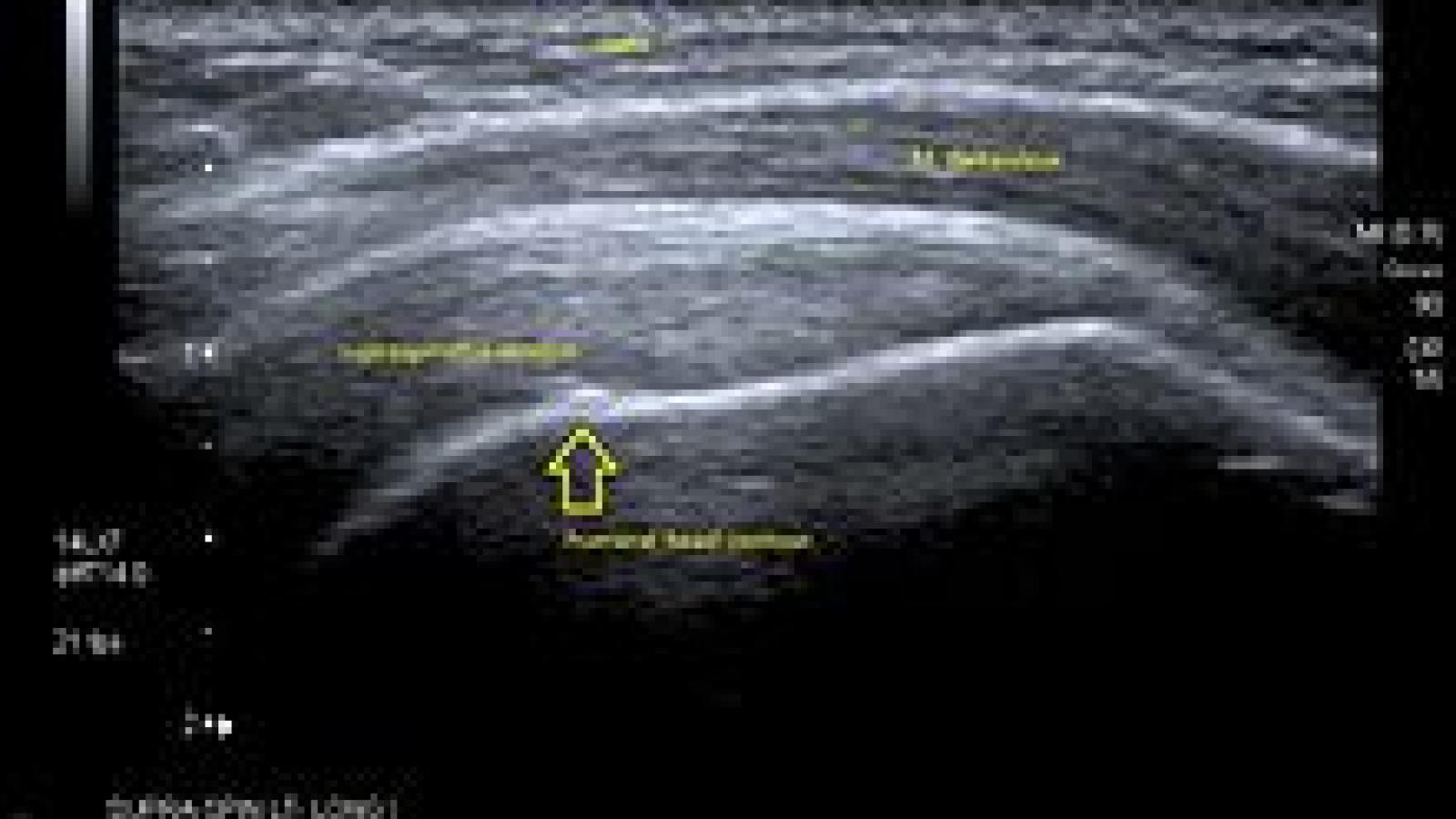
The recent inclusion of ultrasound in the classification criteria of various rheumatic diseases, such as polymyalgia rheumatica and gout, implies this imaging technique is not onlyuseful as a valued diagnostic tool for individual cases, but also on a larger scale, it will improve doctors' ability to classify diseases.

CVD risk is significantly augmented in gout. Choi and coworkers studied this issue using a UK general population database using an incident user cohort study with propensity score matching.
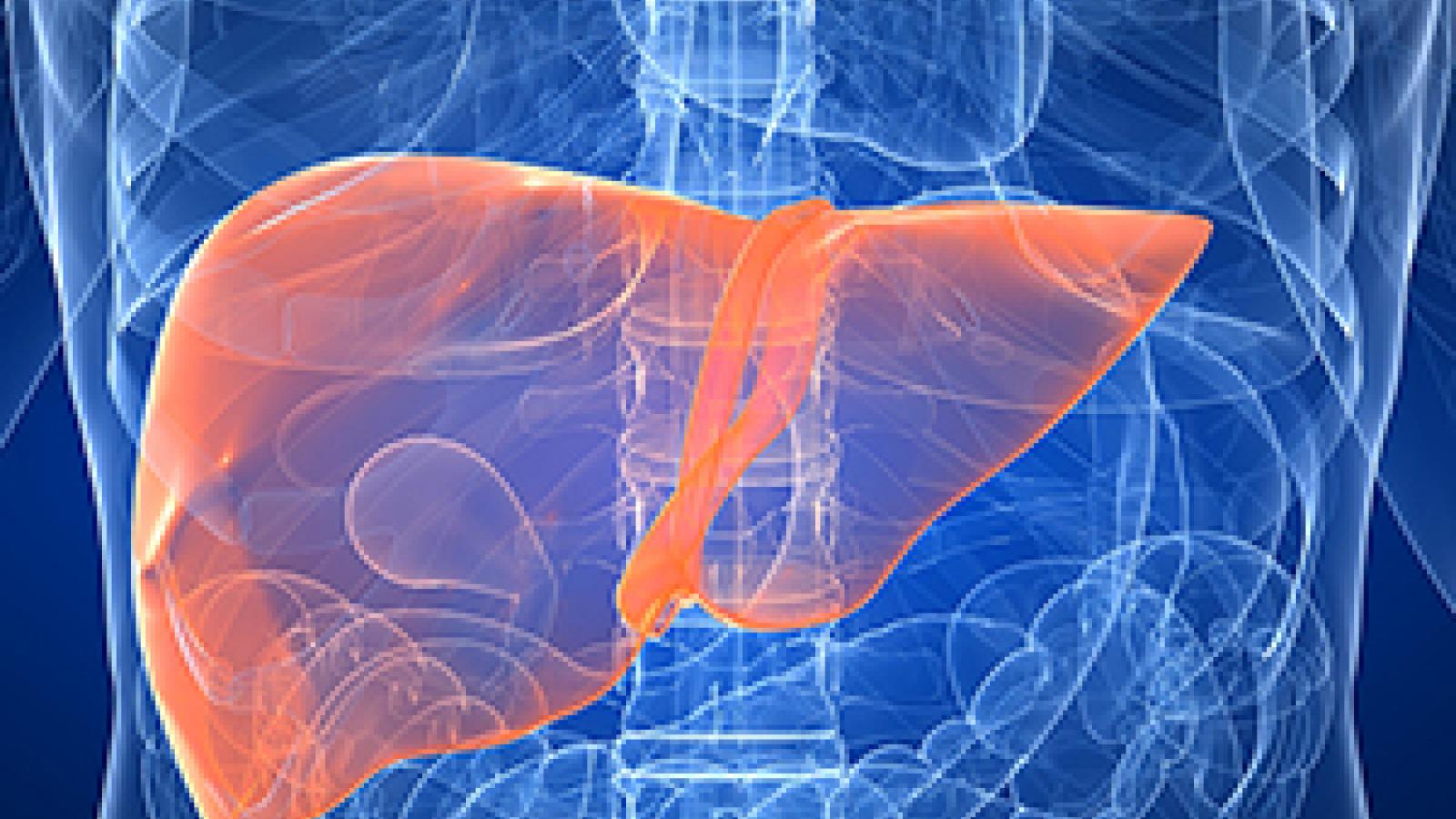
A Danish nationwide healthcare registry was used to identify newly diagnosed alcoholic cirrhosis patients between 1977 and 2010. A matched cohort analysis compared each patient with five random individuals from the population. Of the 24,679 patients diagnosed with alcoholic cirrhosis, 532 developed an autoimmune disease, with an adjusted incidence rate ratio 1.36 (95%;CI, 1.24-1.50).

