Dr. John Cush RheumNow
2 years 8 months ago
Norweigian nationwide study shows males with inflamm Jt. Dz (IJD) have more children and are less likely to be childless compared with matched controls. Males w/ IJD may be reassured that no impairment of fertility is expected https://t.co/PPv8vnkd0m https://t.co/ZepV4ZEfVn

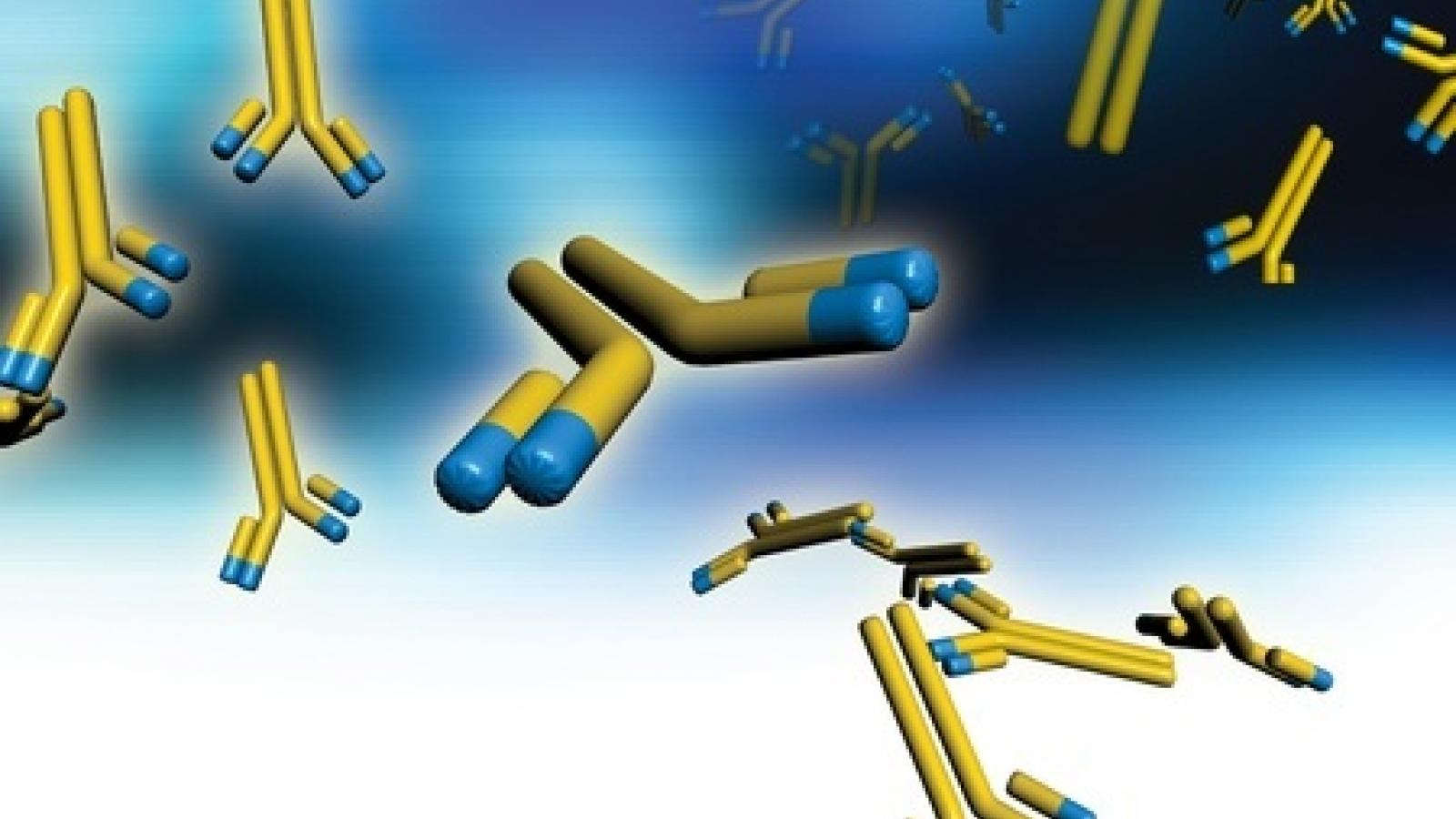
A prospective cohort study suggests the presence of antidrug antibodies may be associated with bDMARDs nonresponse in rheumatoid arthritis (RA). Should we be monitoring ADAbs (especially in nonresponders)?
Dr. John Cush RheumNow
2 years 8 months ago
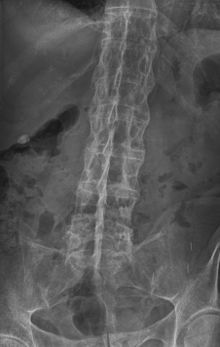
16% of patients with nr-axSpA progressed to r-axSpA within 5 years. Male sex, fulfillment of the imaging arm of the ASAS criteria, and good response to nonsteroidal anti-inflammatory drugs were predictors of radiographic progression https://t.co/eargDLHUZ2 https://t.co/xG52uMmYK8
Dr. John Cush RheumNow
2 years 8 months ago
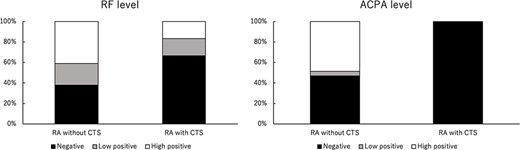
Study of 235 newly Dx #RA patients (157 females) found that 11 pts (5%) had carpal tunnel syndrom (CTS) at the time of initial RA diagnosis. Such pts were more likey to be older, female, CCP negative and have a longer Sx duration. https://t.co/0CfF0lKBgk https://t.co/tx9CvQ4TWX
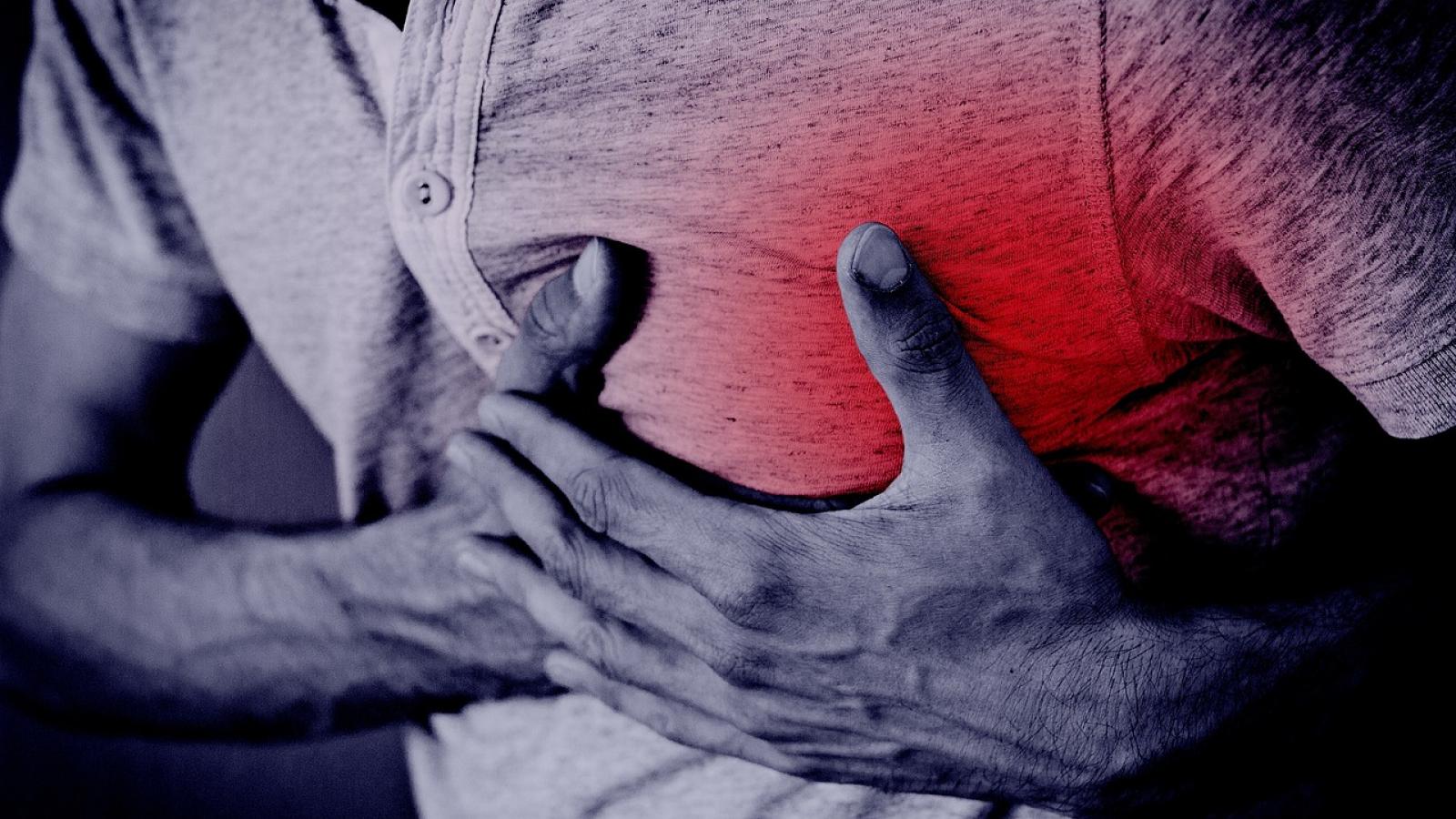
A prospective study of the BioSTAR registry estimates the prevalence of cardiovascular disease in rheumatoid arthritis (RA) to be 4.6%.
Dr. John Cush RheumNow
2 years 8 months ago
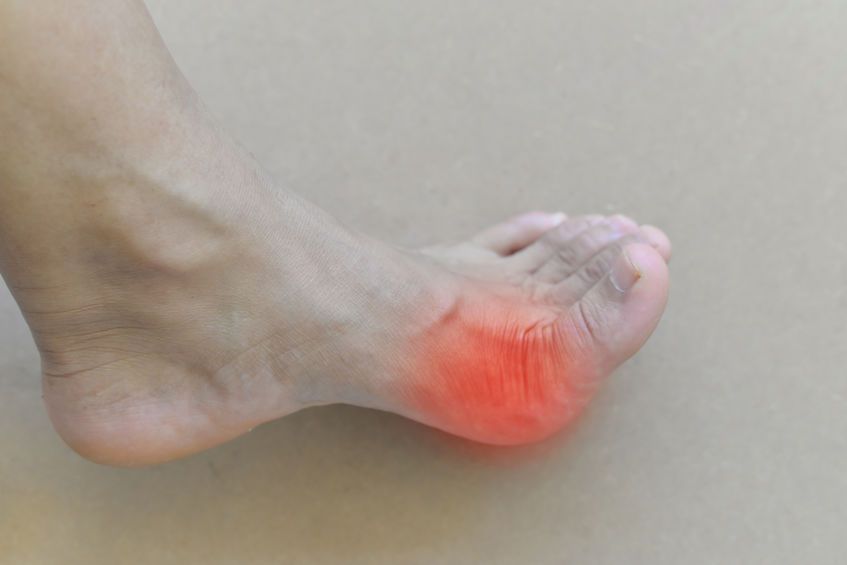
No evidence of harm starting urate lowering Tx (ULT) during #gout attack. Metanalysis 6 RCTs (445 pts) w/ gout attacks given ULT vs PBO or delayed ULT. No differences in pain, time to resolve gout flare or risk of recurrent gout flare in 30d (RR 1.06) https://t.co/xUX2U6MmGP https://t.co/2bV0g2FOSK
Dr. John Cush RheumNow
2 years 8 months ago
Meta-analysis of 35 RCTs (>20K pts) with inflammatory skin disorders shows that w/ short-term (<5 mos) use JAK inhibitors do not significantly increase risk of all-cause mortality (OR, 0.83; 0.44-1.57), MACE, or VTE (OR, 0.52; 0.26-1.04). https://t.co/zBlcZ02QqQ https://t.co/cXjswVS9lF


The RECOVERY trial focused on pediatric MIS-C patients treated with immunomodulators and anti-cytokine therapy demonstrated the benefits of first-line therapy with intravenous methylprednisolone or second-line tocilizumab in children refractory to initial treatment. Neither IV immunoglobulin nor anakinra benefitted the duration of hospital stay.
Dr. John Cush RheumNow
2 years 8 months ago
Microbiome study of 16 SLE pts (44 fecal samples) shows that blooms of Ruminococcus gnavus pathobiont was assoc w/ lupus flares and may be the drivers of clinical of relapsing lupus disease https://t.co/OXA4L6kG4p https://t.co/zXX7ZfWik1
Dr. John Cush RheumNow
2 years 8 months ago
2019 NHIS chronic pain study shows signif disparity in nonpharmacologic & integrative medicine (IHM) use by populations. More IHM with city living, higher income & education, widespread pains. Less IHM w/ elderly, males, Blacks, opioid use, depression https://t.co/uoOyQBXTmy https://t.co/yTTVc5zljG
Dr. John Cush RheumNow
2 years 8 months ago
Join us this weekend! More than 25 sessions on topics ranging from spondyloarthritis, PsA, vasculitis and lupus to JAK inhibitors, RA, artificial intelligence and myositis. CME and MOC offered. Learn more about our program and registration options today!
https://t.co/6uWDDIUnvA https://t.co/aWk4IKZYC4

Dr. John Cush RheumNow
2 years 8 months ago
ACR Applauds Prior Authorization Rule
The ACR applauds the CMS for finalizing its Advancing Interoperability and Improving Prior Authorization Processes for Medicare Advantage Organizations rule recently.
https://t.co/ZVPl2bUT3g https://t.co/ynynH0A8XN
Dr. John Cush RheumNow
2 years 8 months ago
Severe Hypocalcemia Risk w/Denosumab and CKD Patients
On 1/19 the FDA issued a Drug Safety Communication about the risk of severe hypocalcemia in CKD patients taking denosumab for osteoporosis.
https://t.co/VPpIZBZQkm https://t.co/yxFYn1ob5A

Dr. John Cush RheumNow
2 years 8 months ago
What do you know about monogenic and polygenic autoinflammatory diseases? Join Drs Liebowitz and Mehta as they review the challenges of these conditions. https://t.co/z0mTZEwFkP https://t.co/LAxl2eFZKR