
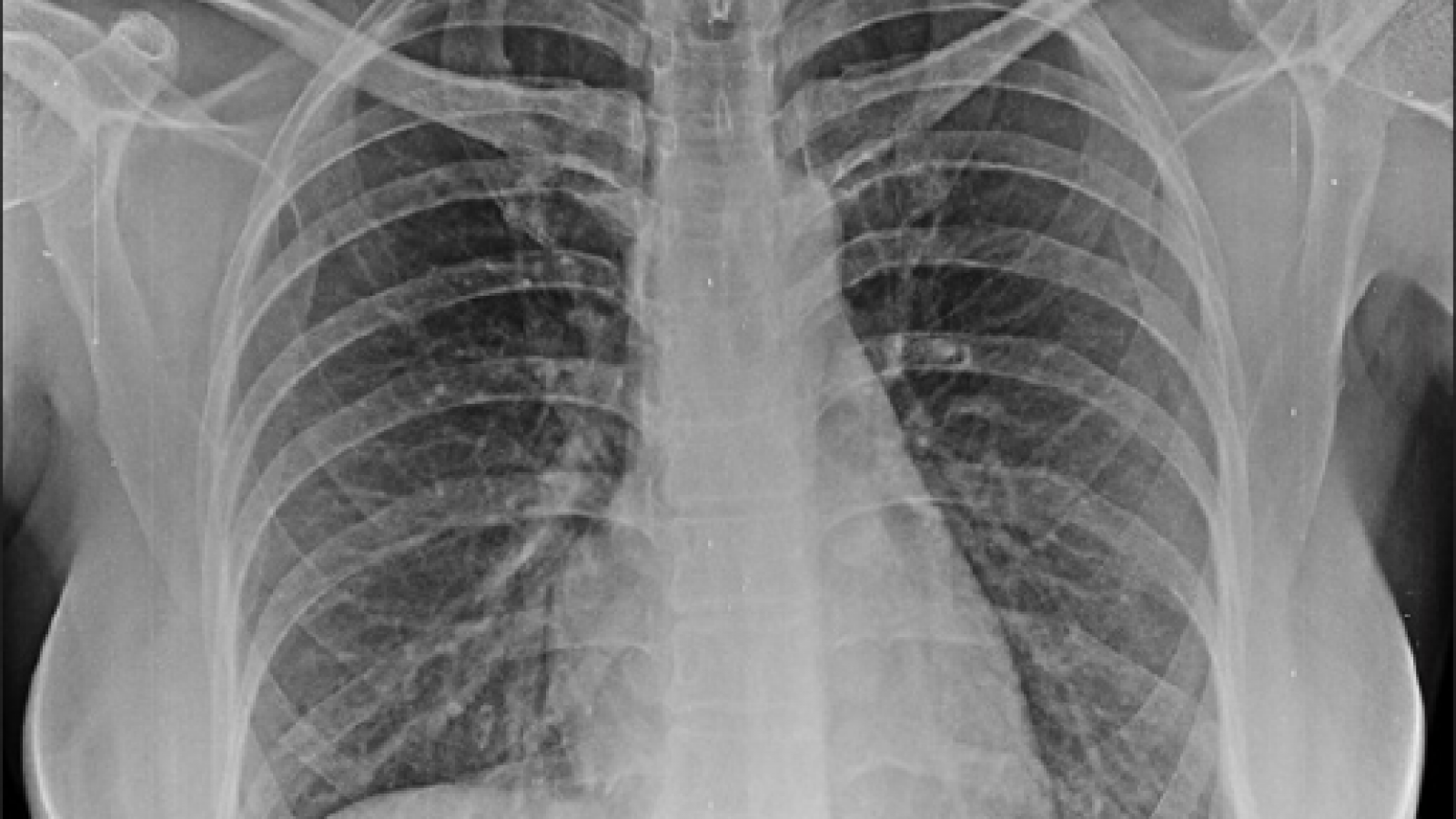
The American College of Rheumatology released summaries of two new guidelines for the Screening and Monitoring of Interstitial Lung Disease in People with Systemic Autoimmune Rheumatic Disease and for the Treatment of Interstitial Lung Disease in People with Systemic Autoimmune Rheumatic Diseases.
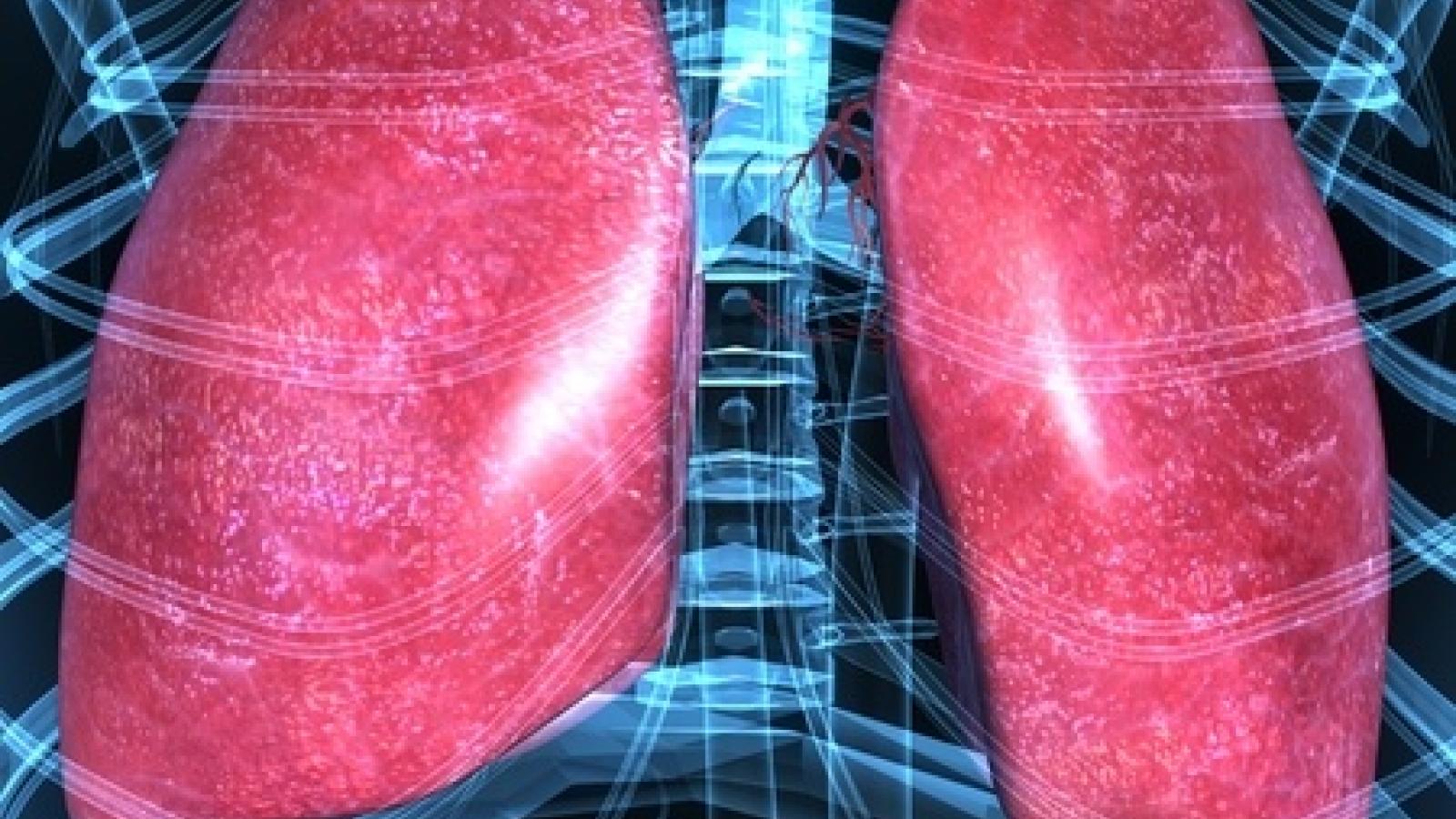
Rheumatoid arthritis related interstitial lung disease (RA-ILD) is common, with symptomatic RA-ILD affecting approximately 8% of RA patients. There is a very limited evidence base supporting treatment and therefore the recent release of ACR guidelines is to be welcomed. However, the published guidelines appear discordant with the best available evidence base.

A EULAR/American College of Rheumatology task force has established evidence based, up-to-date guidance and expert opinion on the evaluation, management and monitoring of patients with Haemophagocytic lymphohistiocytosis (HLH) and macrophage activation syndrome (MAS), with the primary intent to halt disease progression and prevent life-threatening complications from HLH/MAS.

Please don’t tell your patient that PMR “typically” lasts two years. According to real-world data from the UK, one in four patients with PMR is prescribed steroids by their primary care physician for over four years. But nobody tells them this at the start, and that causes big problems later on.
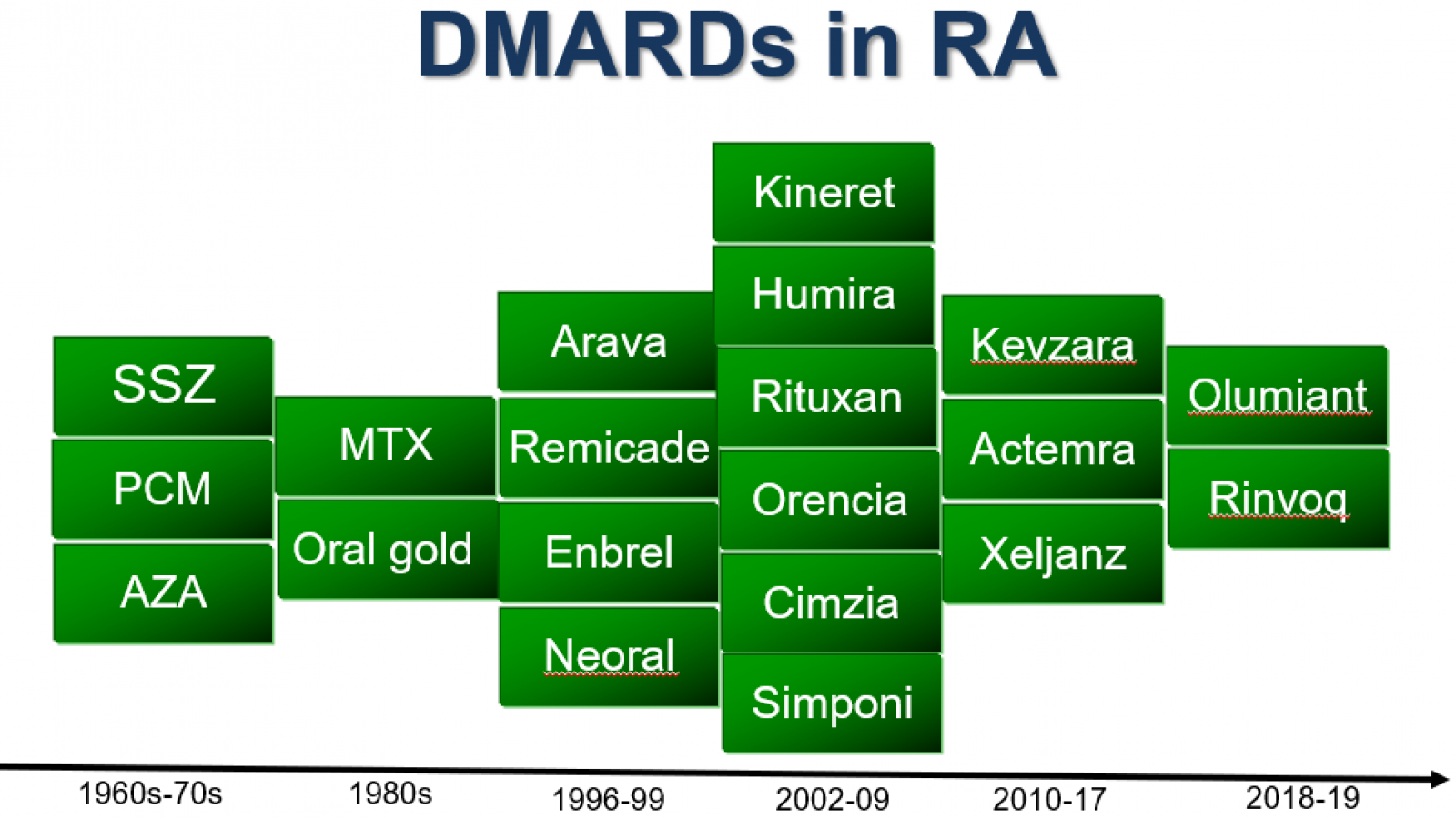
An international task force of 13 European experts have developed evidence-based points to consider regarding the cost-effective use of biological and targeted synthetic disease-modifying antirheumatic drugs (b/tsDMARDs) in the treatment of inflammatory rheumatic diseases (including rheumatoid arthritis, psoriatic arthritis and axial spondyloarthritis).

A new study suggests that use of ELISA assays for CXCL-10 and IFN-α can predict which ANA+ individuals may progress to developing a systemic autoimmune rheumatic disease (SARD).
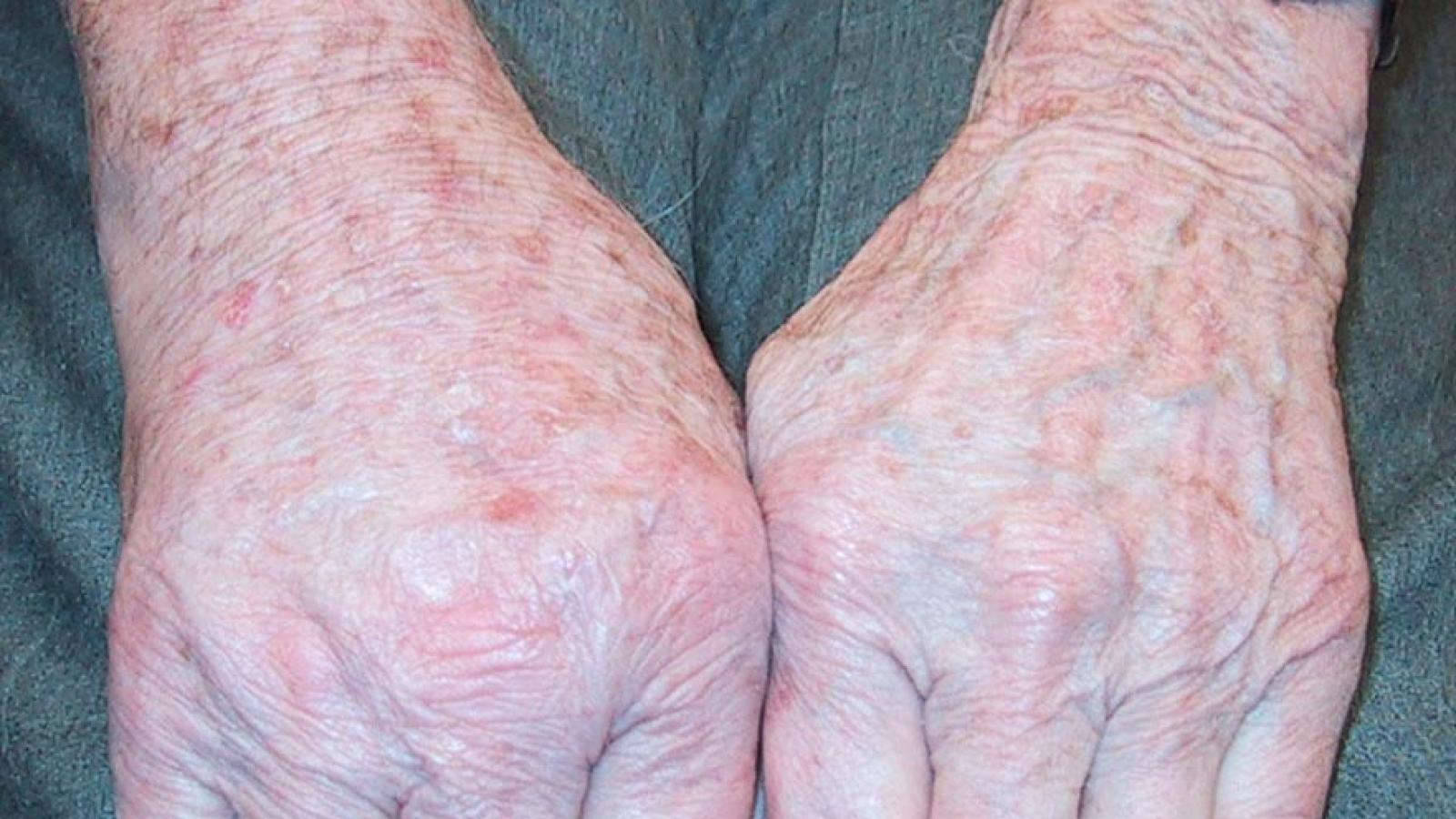
The prevalence of radiographic chondrocalcinosis is estimated to be 4% to ≥10% in older adults, but the prevalence of symptomatic calcium pyrophosphate deposition (CPPD) disease is unknown. To advance our understanding of CPPD, the American College of Rheumatology and EULAR have published validated classification criteria for symptomatic CPPD disease.

When I was accepted into medical school, my Dad (a trauma surgeon) taught me that as a doctor I should not judge and do my best not to let my personal views interfere with how I manage and interact with my patients.
NIH researchers have have described a novel autoinflammatory disorder called "Lyn kinase-associated vasculopathy and liver fibrosis" (LAVLI), based on a mutation in the LYN gene (that encodes the Lyn kinase protein). They discovered that increased Lyn kinase activity promotes systemic inflammation, by altering microvascular permeability and neutrophil recruitment, while at the same time promoting hepatic fibrosis.

The Cleveland Clinic Journal has published a full-read review of postural orthostatic tachycardia syndrome (POTS), a condition often seen in clinic with symptoms like fibromyalgia, but is clinically diagnosed with finding sustained tachycardia upon standing without orthostatic hypotension.
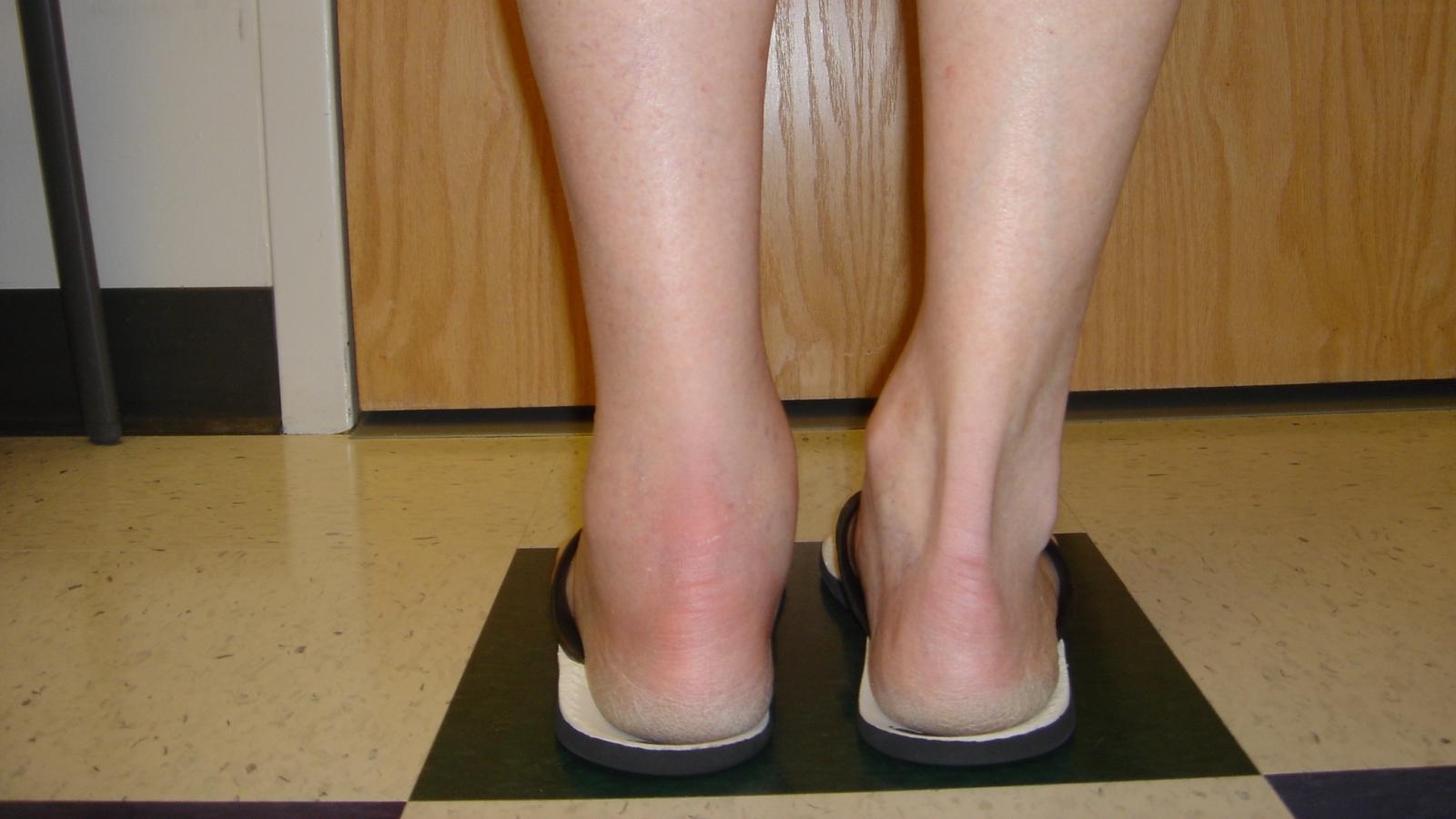
A new MSK syndrome of inflammatory enthesitis/arthritis/tenosynovitis has been described in atopic dermatitis (AD) patients treated with the IL-4 receptor antagonist, dupilumab.
The COLCHICORT trial in patients with acute calcium pyrophosphate crystal arthritis (CPPD) demonstrated equivalent efficacy for both colchicine and prednisone, yet different safety signals were seen.

EULAR has published the 2022 update on recommendations for the management of antineutrophil cytoplasmic antibody (ANCA)-associated vasculitis (AAV). AAV recommendations were last published in 2016, and since, research and clinical trials have advanced our understanding of AAV. A EULAR task force of 20 experts from 16 countries, reviewed the literature and developed four overarching principles and 17 recommendations.

This week I reached out to many leaders in rheumatology and asked: who are the great women in rheumatology who should be recognized? This was prompted by a smart article in Annals of Rheumatic Disease written by Drs. Tuhina Neogi (Boston) and Nicola Dalbeth (N. Zealand), entitled "Where are the women ‘Heroes and Pillars of Rheumatology’?

A longitudinal cohort analysis has developed a prognostic model that informs a risk stratified approach to monitoring blood tests during long term methotrexate (MTX) therapy.

