


News

Emergencies, Independence & Hemorrhage (1.23.2026)
Dr. Jack Cush reviews the news and reports from the past two weeks on RheumNow.Com

BIOBADASER III Registry shows No Cancer Risk with b/tsDMARDs
A large, real-world cohort study of rheumatoid arthritis (RA) finds patients treated with biologic and targeted synthetic DMARDs (b/tsDMARDs) do not have an increased risk of cancer.
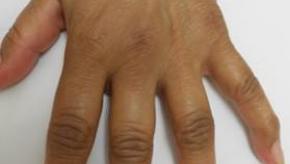
APPIPRA Study - Benefits of Early Treatment
EurekAlert!

Are JAK Inhibitors Better at Pain Relief in RA?
MedPage Today

Review of Restless Legs Syndrome
JAMA has published a full read review of RLS - restless leg syndrome - a frequent, but often unrecognized, cause of poor sleep and the resultant hazards of insomnia.

Emergency Department Visits by Rheumatoid Patients
A Canadian population study shows that rheumatoid arthritis (RA) patients have 30% higher emergency department (ED) visit rates for Ambulatory Care Sensitive Conditions (ACSCs) compared to age- and sex-matched population controls.

Smartphones and Rheumatoid Flares
FORWARD Databank of Rheumatoid arthritis (RA) patients reveals that smartphone data can predict flares using PROs.

Nurse Practitioner Independence
A JAMA Viewpoint article reports on a March 2025 Nurse Practitioner (NP) Entrepreneurship Summit in Boston in March 2025 identifying barriers and opportunities to NP-owned medical practices.

The 2025 Rheumatology Year in Review
The year 2025 presented numerous advances in rheumatology and related inflammatory and autoimmune disorders ranging from several new groundbreaking FDA approvals/indications, drug developments, game-changing guidelines and practices that will impact patient care for rheumatic diseases.
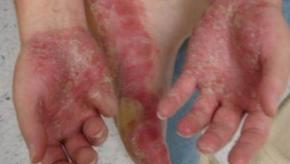
Advanced Practitioner Biologic Prescriptions for Psoriasis
Advanced practice clinicians (APCs; nurse practitioners and physician assistants) deliver a large share of US dermatologic care, accounting for 37% of clinicians and 27% of dermatology visits by 2020. A current JAMA Dermatology reports APC drug spending trends in dermatology, with a focus on specialty medications (eg, biologics).
Spread of Psoriatic Disease from Skin to Joints
Approximately 20 to 30 percent of all people who suffer from psoriasis also develop painful inflammation in their joints over time. If left untreated, psoriatic arthritis can lead to permanent damage to bones and joints.

Antirheumatic drug use with rheumatoid arthritis pregnancies
A nationwide Norwegian registry study of rheumatoid arthritis (RA) pregnancies showed that while medication use increased during pregnancy, many discontinued treatment during pregnancy, only to resumed it after childbirth.
Nursing Shortage Could Worsen Due to Limited Student Loans
MedPage Today
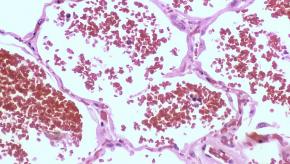
Diffuse Alveolar Hemorrhage in Rheumatic Disease
A retrospective, cross-sectional, single-center study of adult rheumatic disease patients with diffuse alveolar hemorrhage (DAH), demonstrates a high proportion have coexistent pulmonary infection and significant mortality risk.

