Article
Psoriatic arthritis is often underdiagnosed in those with psoriasis (PsO), leading to diagnostic delays an undertreatment.

Search for Terms or Answers
Psoriatic arthritis is often underdiagnosed in those with psoriasis (PsO), leading to diagnostic delays an undertreatment.

van der Heijde et al have published the results of the phase 3 POETYK PsA-1 trial demonstrating that deucravacitinib was superior to placebo in clinical responses, patient-reported outcomes, and structural damage inhibition in patients with psoriatic arthritis (PsA).
This pooled meta-analyses (n=197,392) shows that exercise reduced pain versus control immediately after the intervention (SMD −0.59; 95% CI −0.65 to −0.53; P0.001). The benefit held across musculoskeletal, inflammatory, neurologic and cancer pain, and for every modality tested.

The NEJM reports that retatrutide, an investigational incretin agent, was shown to yield up to 25% weight reduction, with subanalyses also showing reduced pain with knee osteoarthritis, and less apnea–hypopnea events in participants with obstructive sleep apnea.

Dr. Jack Cush reviews the news and journal articles from the past week on RheumNow.com.

At the CCR West 2026 conference in Huntington Beach, California, Dr. Michelle Petri updated her Petri Pearls. Some are derived from new data, while others are from her extensive experience caring for patients with systemic lupus erythematosus (SLE).

The Annals of Internal Medicine has shown that chronic knee symptoms following anterior cruciate ligament reconstruction (ACLR) surgery is significantly lessened by a program of physiotherapist-supervised exercise therapy with education compared to single education and self-directed exer

Obesity is an incidental comorbidity in psoriatic arthritis (PsA). It is a modifiable, mechanistically active driver of disease onset, severity, and treatment failure. A new comprehensive review in RMD Open (Madsen et al., 2026) synthesizes 49 studies suggesting that weight management belongs in the core PsA treatment algorithm.

The Washington Post published a patient overview on "what Prednisone does to your body".

The American Journal of Clinical Nutrition has published the results of the SUN Project study, showing that long-term adherence to a Mediterranean diet (MedDiet) was associated with a substantially lower risk of incident rheumatoid arthritis (RA), but not psoriasis.

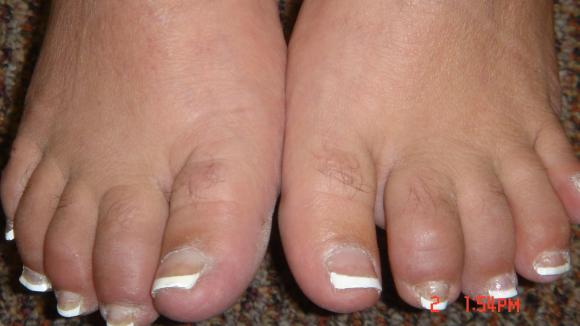
When Ms. RS came into my clinic for a new patient evaluation, she was suffering from highly active skin disease, joint swelling, pain and poor mobility. Her body mass index was 46, indicating class III obesity. A treatment plan focused solely on her inflammatory disease without addressing her weight would not fully address her overall disease burden.

Dr. Jack Cush reviews the news and journal reports from this past week on RheumNow.com.





By downloading this material, I acknowledge that it may be used only for personal use and personal education and that I will accredit RheumNow.com as the source and owner of this material. Commercial use or mass reproduction of this material without permission from RheumNow (info@rheumnow.com) is prohibited.