

All News

Potential new treatment for Sjogren's
Is there finally something new on the horizon in Sjogren’s syndrome?
Read Article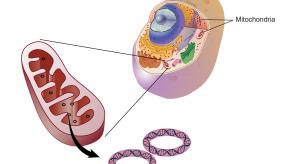
Mitochondria as Master Regulators of Inflammation
Mitochondrial constituents and metabolic products may give rise to immune activation; this is especially true for mitochondrial DNA, which can function as damage-associated molecular patterns (DAMPs) leading to inflammasome activation.
Read Article
Pike M Abstract 1113. Remibrutinib (LOU064) in Sjögren’s Syndrome: Safety and Efficacy Results from a 24‑Week Placebo-controlled Proof-of-Concept Study #ACRBest #ACR22 @RheumNow
Dr. Antoni Chan synovialjoints ( View Tweet)
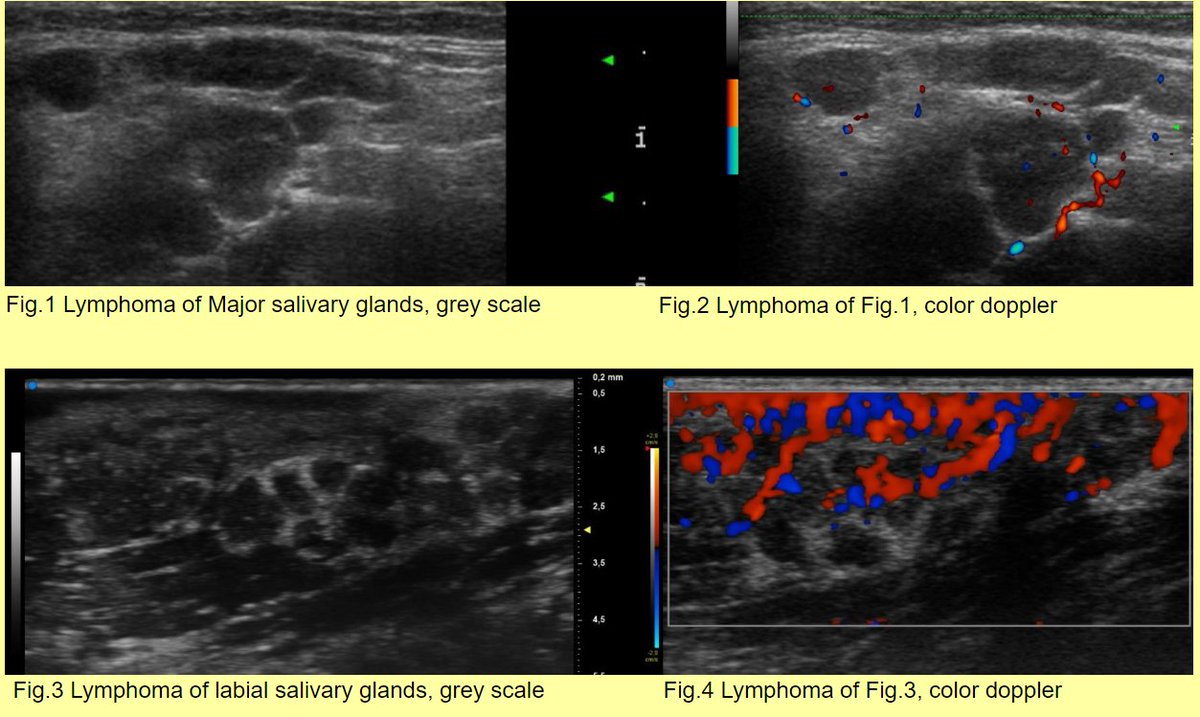
Fulvio et al. Labial gland US to identify lymphoma in Sjogrens. OMERACT score of 3 in 100% of lymphoma and 35% non-lymphoma @RheumNow #ACR22 Abstr#1254 https://t.co/aspctOfGp8 https://t.co/CLhN2PTvaS
Richard Conway RichardPAConway ( View Tweet)
Plenary:
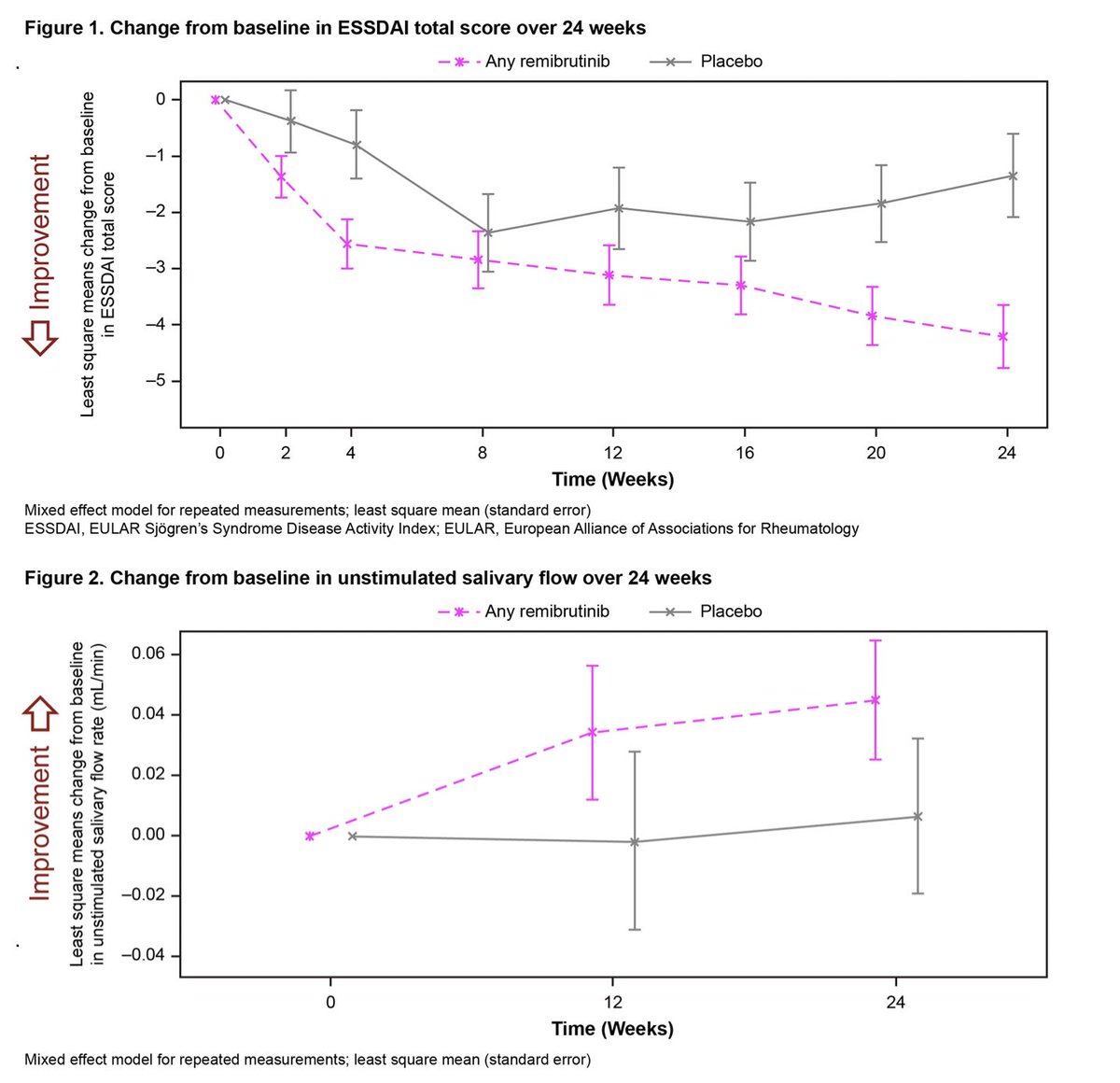
Remibrutinib (LOU064) a BTK inhibitor in Sjogren’s
◦ Favourable safety profile
◦ Well-tolerated over 24 Wks
◦ Improved ESSDAI, salivary flow, Igs
◦ May be first effective oral disease-modifying therapy for SS
Dorner T Abs1113 https://t.co/FkgJpwKAJL #ACR22 @RheumNow https://t.co/znxMc27EBI
Dr. Antoni Chan synovialjoints ( View Tweet)
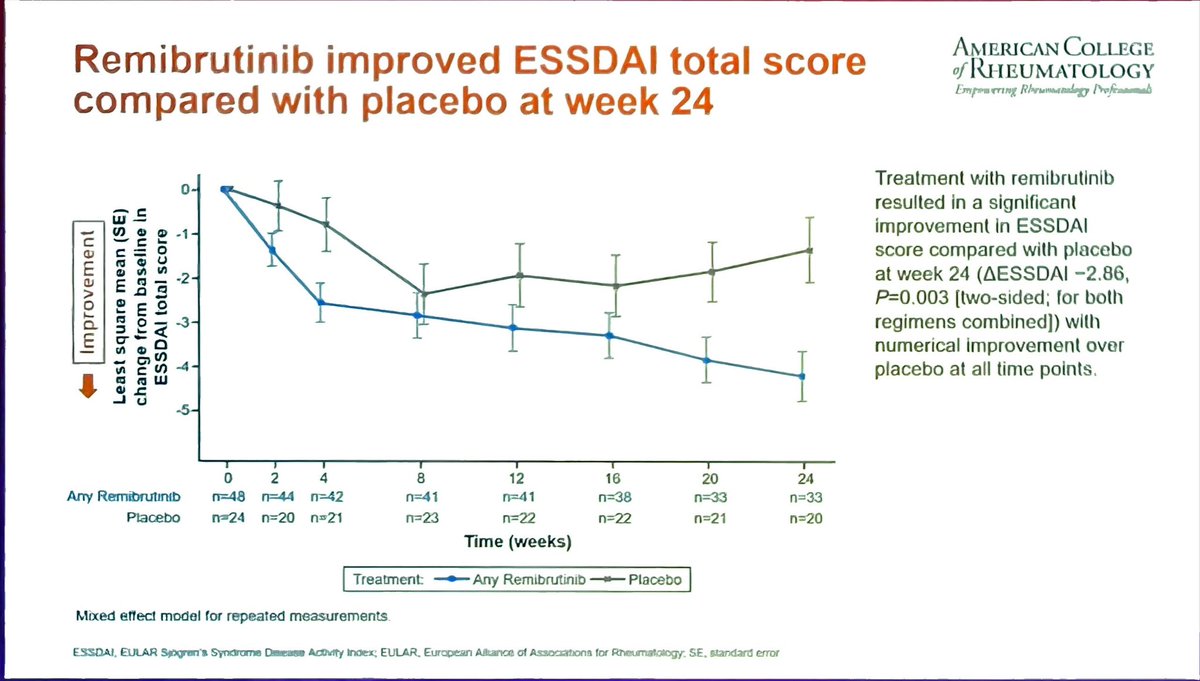
Sjogren’s is tough to study, isn’t it?
LOUiSSe (remibrutinib proof-of-concept SjS) - benefit with:
- ESSDAI (primary, obj dx activity) ✅
- auto-Ab ✅
- all patient outcomes ❎
Has already exceeded many attempts
Even then, still some limitations
ABST1113 #ACR22 @RheumNow https://t.co/NlBaFVuuPa
David Liew drdavidliew ( View Tweet)
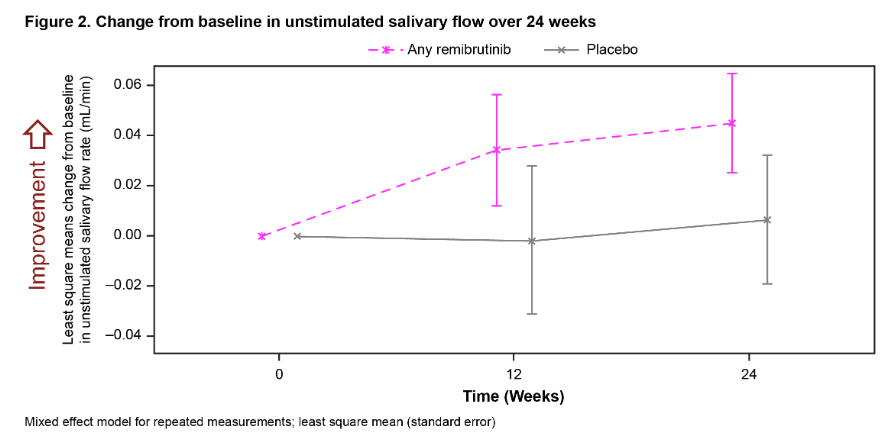
Ab1113 #ACR22 Remibrutinib (LOU064, BTK inhib) in Sjogren's
Will there be new Rx for Sjo?
T Dorner: 73 pts Ph2 BTK 100mg BID/100 QD/PBO
Better ESSDAI at wk 24 (p=0.003)
Unstim saliv flow: improved vs PBO, not stat signif
Decreased CXCL13 chemokine
PROs not improved
@RheumNow https://t.co/hJp33JPpHt
Eric Dein ericdeinmd ( View Tweet)
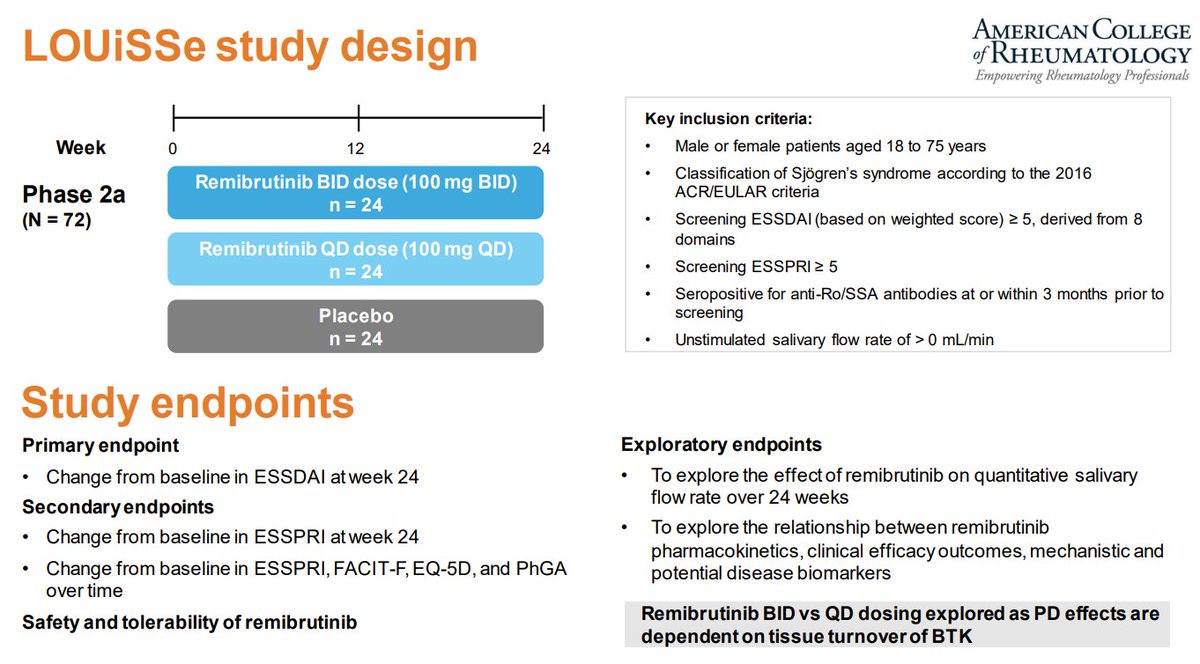
Sjogren's in a Plenary! Remibrutinib (BTKi) in SjS
Improved ESSDAI at wk 24, but NONE on ESSPRI (more patient-centric ie fatigue, dryness, joint pain)
Definitely helps w/lab abnormalities, but worried benefit for outcomes that matter may be limited
#ACR22 @RheumNow abstr#1113 https://t.co/GutY8KndbR
Mike Putman EBRheum ( View Tweet)
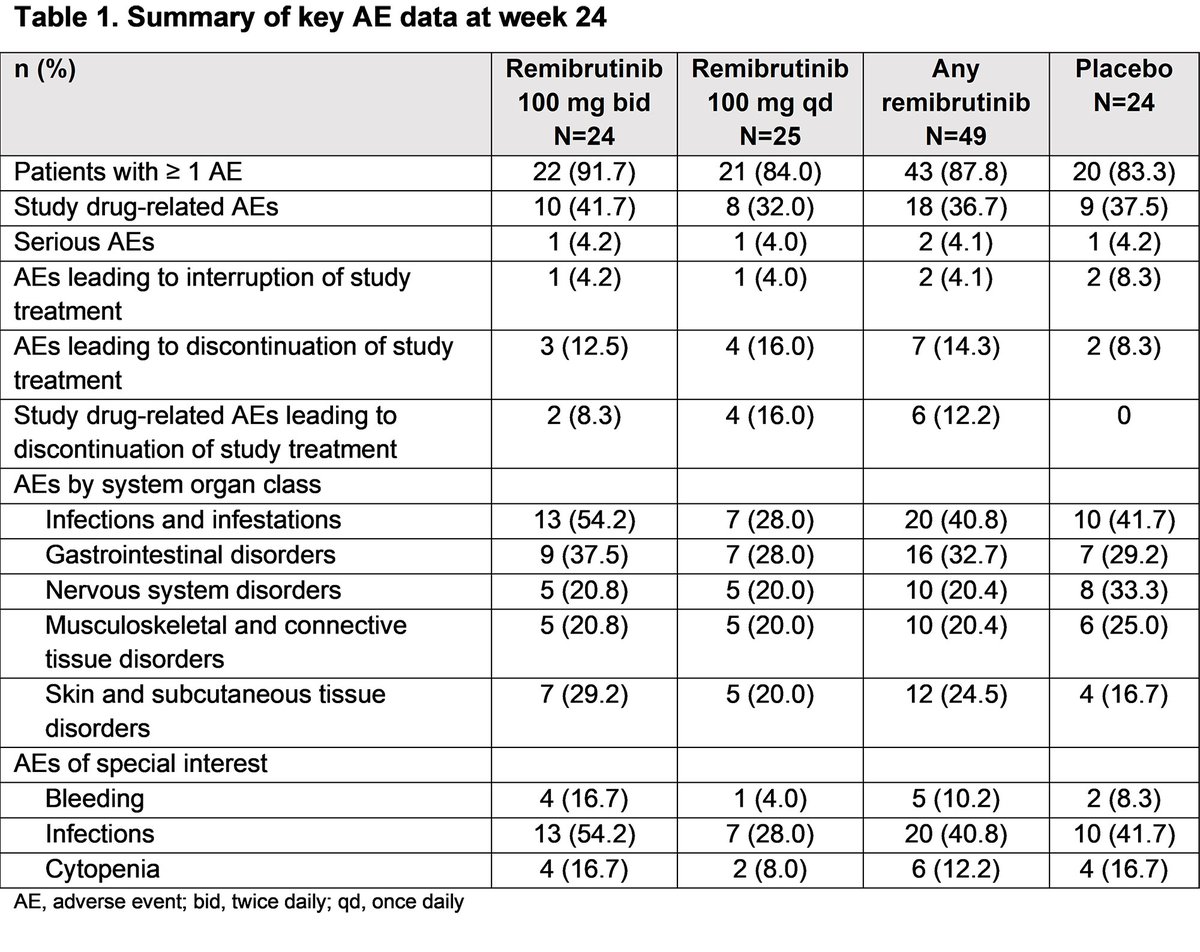
Initial Remibrutinib (oral, covalent, and highly specific inhibitor of Bruton’s tyrosine kinase (BTK)) data in SS shows good efficacy and safety. Plenary Abs 1113 #ACR22 @RheumNow https://t.co/5Zr0Y1ueAv https://t.co/Iy194YUWNC
Dr. Rachel Tate uptoTate ( View Tweet)
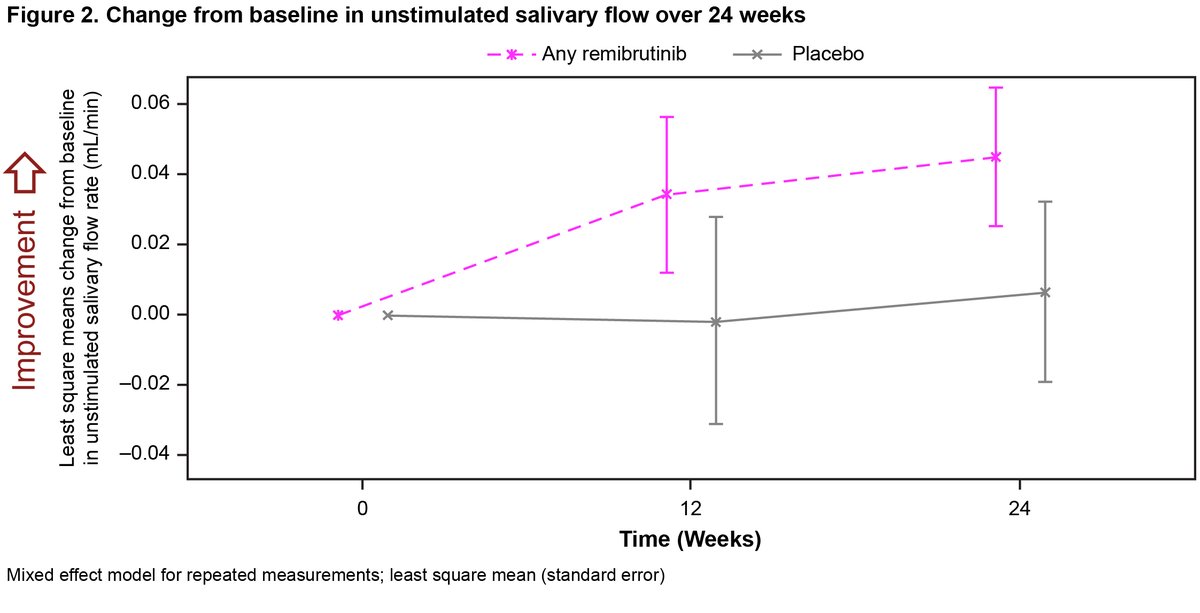
2nd Plenary Session!
Remibrutinib (BTK inhibitor) for treatment of Sjögren's syndrome (phase 2 study)
Improvement of ESSDAI, salivary flow and pathologically elevated Ig's
Abs#1113 @RheumNow #ACR22 https://t.co/vdgxBPe6qd
Robert B Chao, MD doctorRBC ( View Tweet)
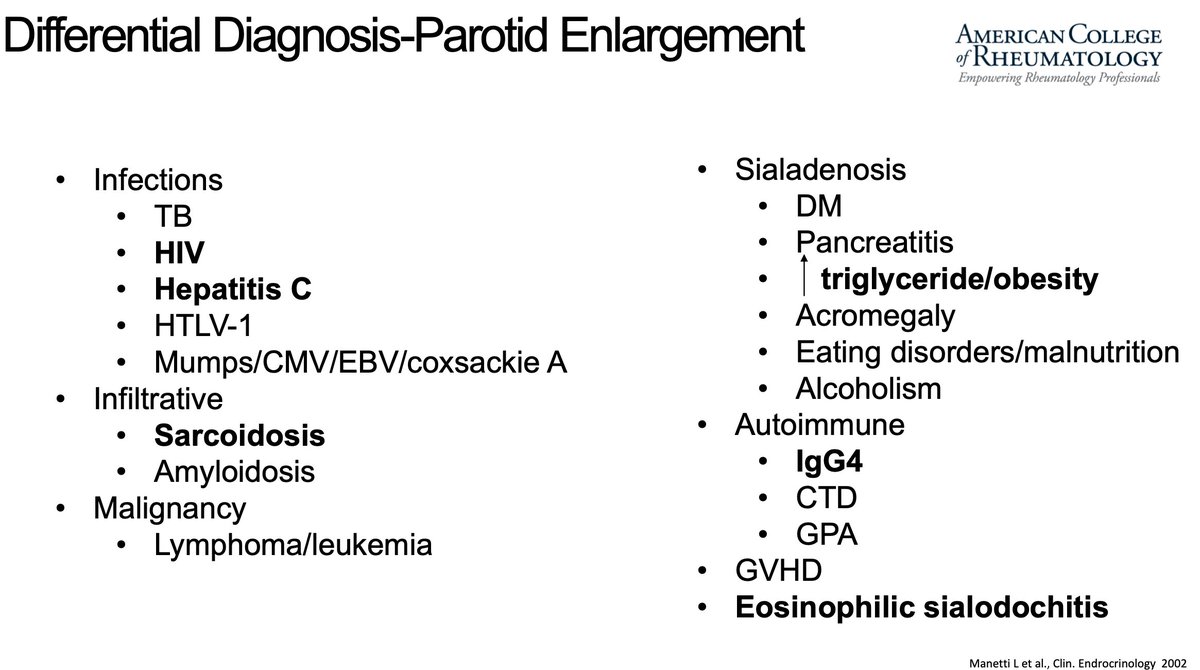
Mimics of Sjogren’s Syndrome @RheumNow #ACR22 https://t.co/nEAXKb6qF0
Dr. Antoni Chan synovialjoints ( View Tweet)
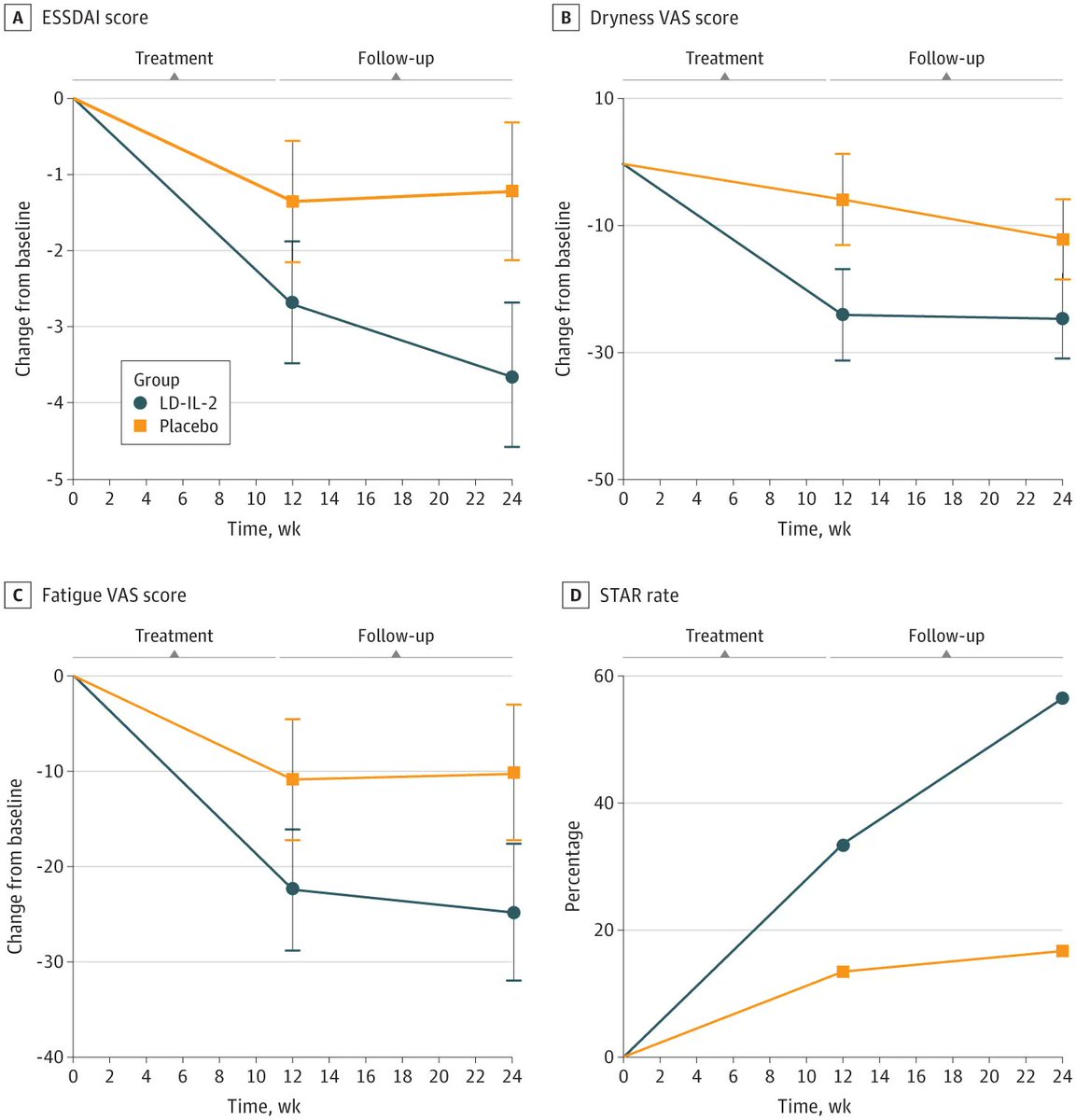
Low dose IL-2 works in Primary Sjogrens Syndr (pSS)? RCT 60 pSS pts rx w/ PBO vs LD-IL-2; latter lower ESSDAI @wk 24 (67% vs 27%; P=.004) & less Sxs (dryness,fatigue) @wk12 and expansion of TREGs & CD24highCD27+ B cells. https://t.co/39U6WX7ceM https://t.co/i56XDSvGXs
Links:
Dr. John Cush RheumNow ( View Tweet)
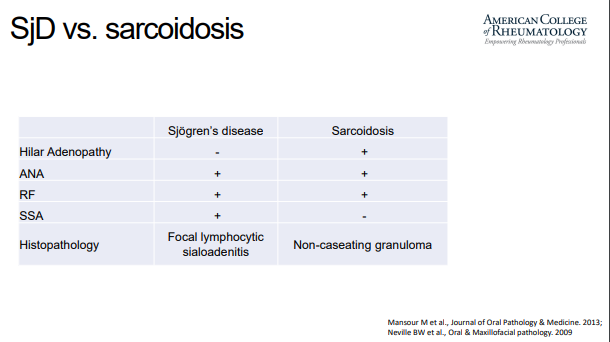
Here's a nice slide comparing Sjogren's disease and Sarcoidosis:
#ACR22 @RheumNow #acrreview #MedTwitter https://t.co/MQQx3GBl5f
sheila RHEUMarampa ( View Tweet)
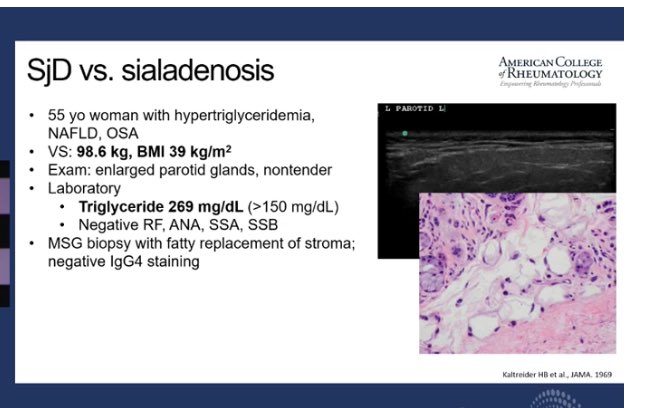
Sialadenosis is a mimic of #sjogren - it related to fatty infiltration/metabolic syndrome. Correct underlying issue and pts will improve - Dr S McCoy @rheumnow #acrreview #acr22 https://t.co/bZPj1LmERs
TheDaoIndex KDAO2011 ( View Tweet)
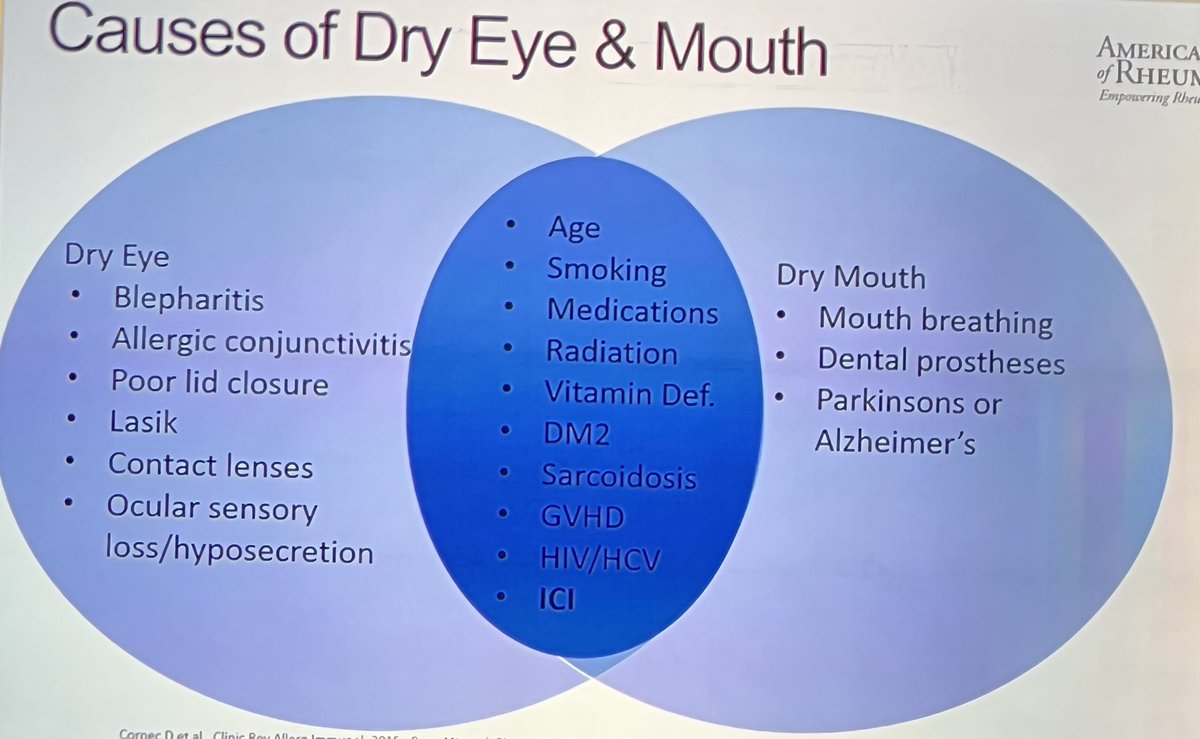
Wonderful slide by Dr. Sarah McCoy on #Sjogrens #ACR22 @RheumNow
Broad differential for these patients when they present in clinic:
📍Ask about:
🚬 habits
💊 meds
🍬 🩻history: #diabetes, past radiation exposure
🦠 infection (#HIV, #HCV)
🩸 #vitamin deficiency https://t.co/6Qo23lWBs4
Catherine Sims, MD DrCassySims ( View Tweet)
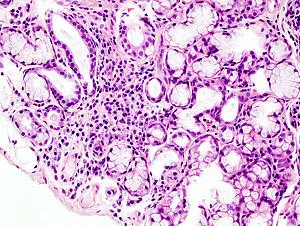
Sjogrens - Dx tips, myths & mistakes:
• SS not rare; affects 1 in 400
• 95% female, but SS is more severe in men
• African Americans have a severe systemic phenotype
• Asians report dryness Sxs
• Smoking & alcohol intake often avoided by SS pts
https://t.co/B2hR7z8H5Z https://t.co/g0FKhcmoXa
Links:
Dr. John Cush RheumNow ( View Tweet)
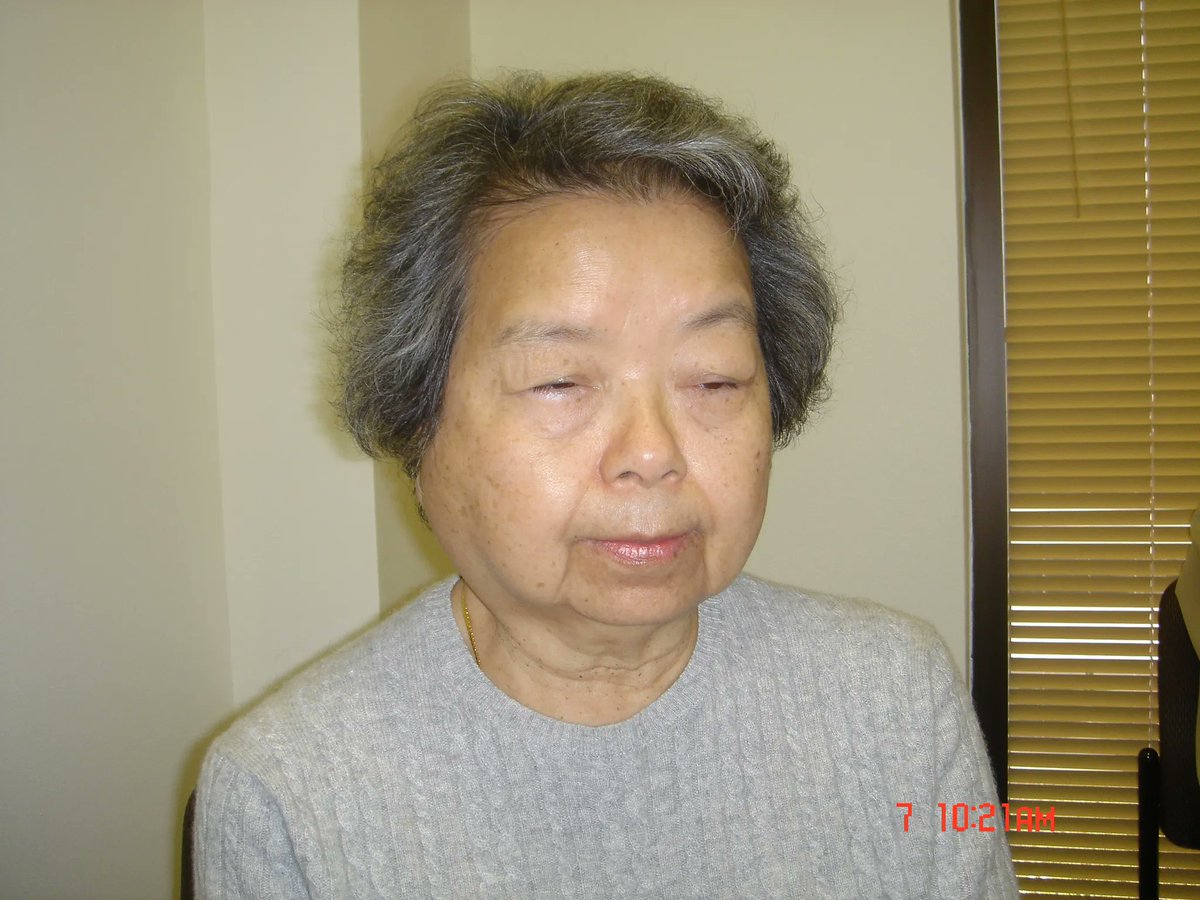
Multicentre matched control study looked at primary Sjogrens that developed lymphoma or NOT. Parotid swelling (PSW) is an early major predictor of non-Hodgkin lymphoma in pSS; esp if present before or dx, & w/ a longer duration of PSW https://t.co/QokXF6klEv https://t.co/YqFgAqt4ku
Links:
Dr. John Cush RheumNow ( View Tweet)
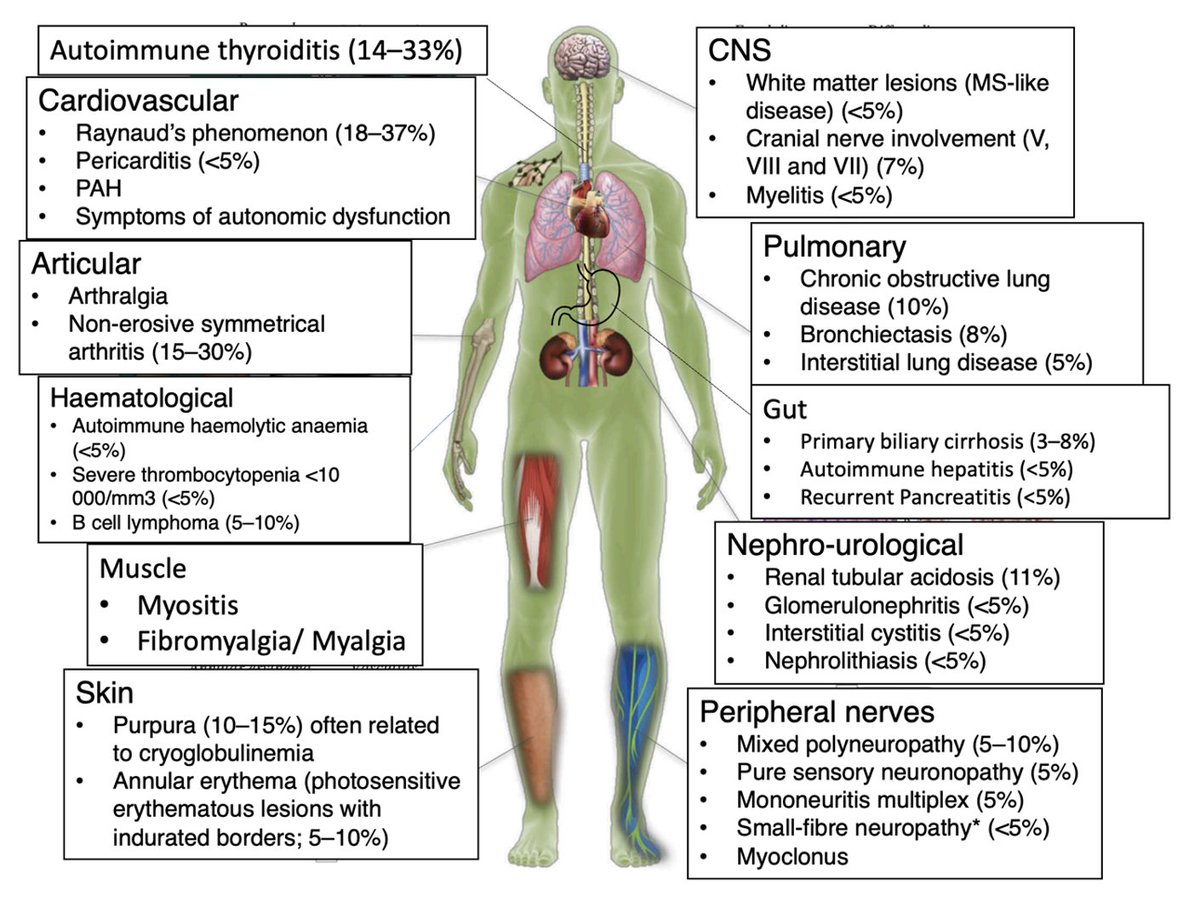
🌏 Today is World Sjögren's Day!🌍
🩺 Sjögren's is not Just Dry eyes👁️ and Dry Mouth👅👄 - there's much more to it
There's still a lot about this 'invisible' #Autoimmune Disorder, we don't know
Clinical Features and Pathogenesis
#LetstalkaboutSjögrens
#MedTwitter
#RheumTwitter https://t.co/t9toed8MG7
EnvisionRheumat ERheumat ( View Tweet)
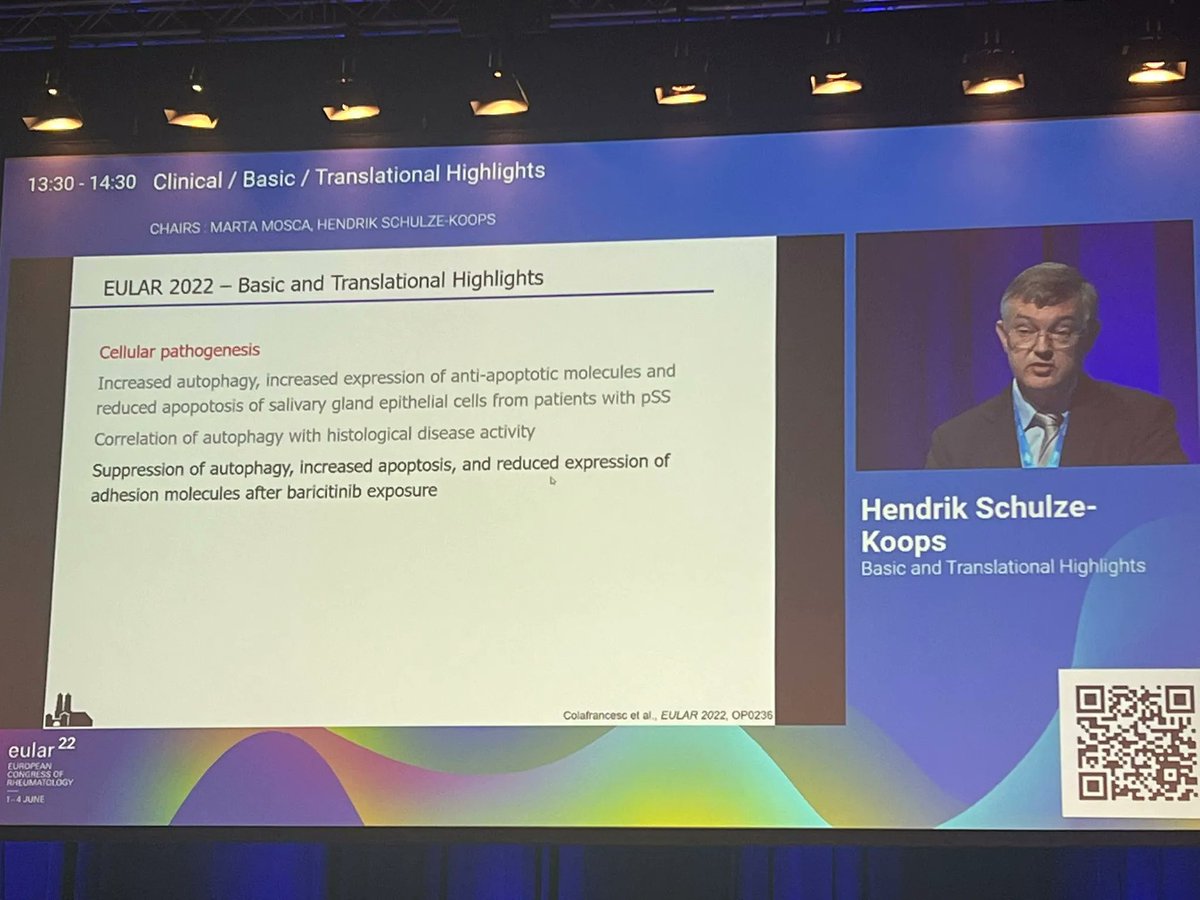
#EULAR2022 Prof Schulze-Koops highlighted a mechanistic study that baricitinib therapy ex vivo suppressed autophagy, increased apoptosis, and reduced expression of adhesion molecules in #sjogren salivary glands. Next step should be randomised controlled trial cc: @Yuz6Yusof https://t.co/1tDBNzTuwQ
Dr. John Cush RheumNow ( View Tweet)
Environmental articulate matter (PM2.5) levels can increase the odds of a systemic autoimmune rheumatic disease onset (OR 1.12; 1.08–1.15), , w/ no effect of ozone. Results not changed by controlling for smoking. https://t.co/7BGBh9h0lf https://t.co/LcUo4Lxzgx
Links:
Dr. John Cush RheumNow ( View Tweet)

