Highlights from this week on RheumNow.com include:
1. Having #RA in addition to solid cancer (breast, lung, prostate, colon) increases mortality rates by 40-50% in elders https://t.co/aitjusmOai
2. The global market for rheumatoid arthritis therapies was $19.9 billion in 2015, expected to reach $21.3B by 2020 https://t.co/d2Sh5C8y9f
3. Half of doctors never heard of MACRA:Medicare Access & CHIP Reauthorization Act. Starts on Jan 1st! https://t.co/eYgWBWCw6y Blog:https://t.co/sRKZSOFyNV
And more!

All News
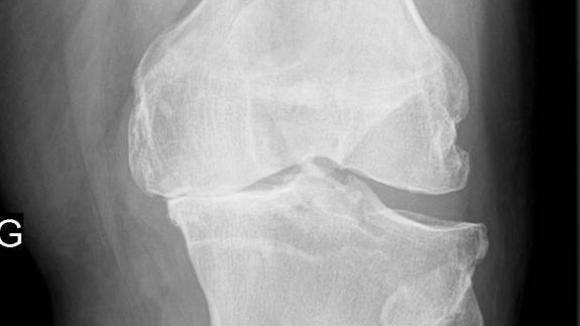
A study published in the British Medical Journal examines whether knee surgery or conservative medical management benefits those with degenerative meniscal tears. (Citation source http://buff.ly/2awVbKu)
Rheumatoid arthritis (RA) is associated with an increased risk of myocardial infarction (MI) and post-MI fatality compared with the general population. At issue is whether this applies to those undergoing a surgical procedure.
The use of tumour necrosis factor α inhibitors (TNFis) at the time of major surgery has been a challenge for surgeons, rheumatologists and those wishing to develop evidence-based guidelines for this clinical scenario.
The ACR is inviting members and rheumatologists to comment on their proposal to develop recommendations for the "Perioperative Management of Rheumatic Disease Medications in Total Joint Arthroplasty of the Hip and Knee".
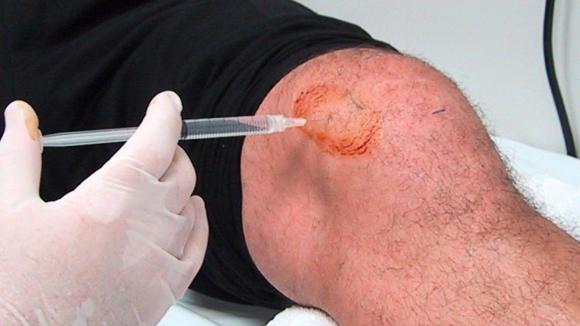
Hip and knee intraarticular injection of corticosteroids are frequently prescribed to alleviate pain or inflammation in patients with osteoarthritis and rheumatoid arthritis, especially in the period leading up to scheduled arthroplasty.
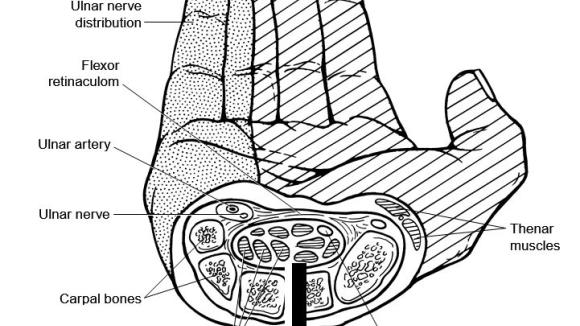
Three million Americans are diagnosed with carpal tunnel syndrome each year.
Two population-based cohorts from Ontario (ON) and Quebec (QC) were used to assess if early DMARD influenced the need for joint replacement surgery among elderly patients with incident rheumatoid arthritis.
Using hospitalization claims from 7 states, reasearchers studied the risk of cardiovascular outcomes following surgery in rheumatoid arthritis (RA) patients. (Citation source http://buff.ly/1TDsVG6)
Obesity is a modest risk factor for rheumatoid arthritis (RA) onset. More importantly, obese patients have significanty lower treatment responses to DMARDs and biologics, making them harder to treat than your average RA patient.
MedPage Today reports that the Centers for Medicare & Medicaid Services (CMS) has issued a final rule governing payment for hip and knee replacements for Medicare patients this week that includes several concessions to stakeholders, such as delaying implementation from early 2016 to later in
Knee replacement surgery is on the rise, and so is the cost.
Patients undergoing surgery for a hip fracture appear to have higher death rates than those having elective total hip replacement.
The National Hospital Discharge Survey shows that between 2000 and 2010, more than 5.2 million total knee replacements were performed in the United States. By 2010, the operation had become the leading inpatient surgery performed on adults aged 45 and over.
JAMA reports the number of traumatic injuries related to bikes in adults nearly doubled from 1998 to 2013 -- going from 8,791 to 15,427. The researchers used data from the National Electronic Injury Surveillance System, which includes data from of 100 emergency departments, and U.S.
Different Phenotypes for Osteoarthritis of the Foot. Osteoarthritis is often characterized as either a symmetric polyarticular (often involving DIPs, PIPs and CMC1), asymmetric oligoarticular or monarticular (knee or hip OA), but OA may also affect the foot.
Regenerative medicine and the use of bone marrow stromal cells (or mesenchymal stem cells - MSC) is controversial in many areas of medicine, including osteoarthritis. MSC use is at a very early stage in orthopedic research, but has been investigated in osteoarthritis of the kn
A randomized controlled trial of compared the outcomes of surgical decompression or physical therapy in 169 lumbar spinal stenosis patients. After two years, intention-to-treat analyses revealed no difference between groups.
A systematic review of the benefits and harms of arthroscopic knee surgery involving partial meniscectomy for middle-aged and older adults with knee pain and degenerative knee disease was recenttly published in BMJ. They found inconsequential benefits 3-6 months after surgery, but
Varicella-zoster virus infection was studied in temporal artery biopsies from those suspected of having giant cell arteritis.