

All News
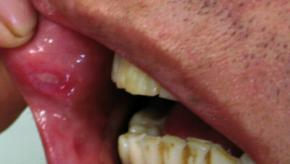
Ustekinumab Effective in Behcet's Disease
A small prospective study has shown that ustekinumab is safe and effective in Behçet's disease (BD) with recurrent oral ulcers (OU).
Read Article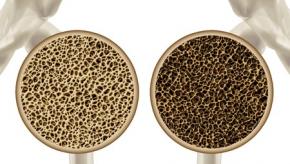
NIH Workshop on Unmet Needs in Osteoporosis
In October 2018, the National Institutes of Health (NIH) convened a workshop to address the "Appropriate Use of Drug Therapies for Osteoporotic Fracture Prevention"
Read Article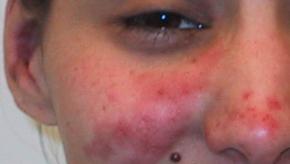
Improved Survival in Lupus
A longitudinal study of systemic lupus erythematosus (SLE) from the Toronto Lupus Clinic has shown that mortality has decreased over time.
Read Article
Statins in RA Patients Without CVD: Nonsignificant Results
Patients with RA, but without CV disease, who were treated with atorvastatin appeared to experience cardiovascular (CV) benefits similar to what has been observed in other populations, with a risk reduction of approximately one-third, according to a large, but prematurely terminated, trial in the
Read Article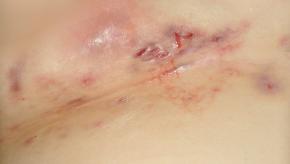
Higher Comorbidities in Hidradenitis Suppurativa
JAMA Dermatology reports that patients with hidradenitis suppurativa have significantly more comorbidities than do patients with psoriasis.
Read Article
Polypharmacy Blunts Responses and Ups the Safety Risks
A study from the British Society for Rheumatology Biologics Register (BSRBR-RA) demonstrates that polypharmacy is a predictor of lower treatment responses and more serious adverse events (SAEs) in rheumatoid arthritis (RA) patients.
Read Article
EULAR 2019 Update to Lupus Management
The goal of SLE treatment is remission or low disease activity and flare prevention. Hydroxychloroquine is recommended in all patients with lupus, at a dose not exceeding 5 mg/kg real body weight. Glucocorticoids (GC) should be minimised to less than 7.5 mg/day (prednisone equivalent). Appropriate initiation of immunomodulatory agents (methotrexate, azathioprine, mycophenolate) can be tailored to the clinical scenarios and may allow for tapering or discontinuation of GC.
Read Article
Intraarticular Trans-Capsaicin Effective in Knee OA
A novel study has shown that intraarticular therapy with high‐purity synthetic trans‐capsaicin (CNTX‐4975) for chronic knee osteoarthritis (KOA) was associated with significant relief of knee pain.
Read Article
RheumNow Podcast – A Tofa Two-fer (4.12.19)
Dr. Jack Cush reviews the news and journal articles from the past week on RheumNow.com
Read Article
An Autoimmune Diagnosis Alters Perceptions of Pregnancy and Lactation
A study from UT Southwestern and the Baylor Research Institute examined the preceptions and practices of women with autoimmune or inflammatory rheumatic diseases (AIRD) noting that an AIRD diagnosis changed most womens future hopes and plans regarding pregnancy and lactation.
Read Article
FDA Approves Romosuzumab (Evenity) for High Risk Osteoporosis
The US Food and Drug Administration today approved Evenity (romosozumab-aqqg) to treat osteoporosis in postmenopausal women at high risk of osteoporotic fracture, including those with a history of osteoporotic fracture or multiple risk factors for fracture, or those who have failed or are intoler
Read Article
ACR Position Statements on Drug Pricing and Step Therapy
The American College of Rheumatology Committee on Rheumatologic Care has released new drug pricing and step therapy position statements that they hope legislators will consider as they continue to explore policy and regulatory options to make drugs more affordable and accessible.
Read Article
RheumNow Podcast – Loretta Lynn Arthritis (3.29.19)
Dr. Jack Cush reviews the news and journal reports from the past week on RheumNow.com.
Read Article
FDA Approves Cimzia for Non-Radiographic Axial Spondyloarthritis
The U.S. Food and Drug Administration today approved Cimzia (certolizumab pegol) injection for treatment of adults with a certain type of inflammatory arthritis called non-radiographic axial spondyloarthritis (nr-axSpA), with objective signs of inflammation.
Read Article
For RA With COPD, Abatacept is Safe
Patients with rheumatoid arthritis (RA) who also had chronic obstructive pulmonary disease (COPD) had no increased risk of serious respiratory complications when treated with abatacept (Orencia), a large claims-based analysis found.
Read Article
Best of 2019 - Ups and Downs with Abatacept
Two recent studies have examined the effect of starting abatacept upon the risk of serious hospitalized infections or cancer, showing divergent results from claims data analyses.
Read Article
Guidelines for Osteoporosis Management in Postmenopausal Women
New guidelines on the "Pharmacologic Management of Osteoporosis in Postmenopausal Women," were presented March 25 at ENDO 2019 - The Endocrine Society Annual Meeting and simultaneously published online in the Journal of Clinical Endocrinology & Metabolism.
Read Article
Presenting Features of Early SLE
What clinical features best identify early systemic lupus erythematosus (SLE) patients from mimics? A multicenter, multinational study aimed to evaluate manifestations at disease onset and to compare early SLE manifestations to those of diseases mimicking SLE.
Read Article
Artificial Intelligence to Predict Rheumatoid Disease Activity
A recent study in JAMA Network Open shows that artificial intelligence models can use electronic health record data to prognosticate future patient outcomes in rheumatoid arthritis (RA).
Read Article
Improved Mortality Trends in Lupus Nephritis
The mortality rate from end- stage renal disease (ESRD) in lupus nephritis (LN) patients has significantly decreased in the last decade.
Read Article
