All News
World Changers (3.14.2025)
Dr Jack Cush and his podcast friends are out to change the world. Here is his weekly review of the news and journal reports from the past week on RheumNow.
Read Article2024 Rheumatology Year in Review
2024 was a year of surprising new growth in technology, with the expansion of new therapeutic options for many patients and clinicians. While these many advances offer new hope, they are countered by disappointments and gapping unmet needs in rheumatology. Below is my top 10 list (in no particular order) of 2024 developments and desires that may change rheumatologic practices.
Read ArticleAre Combination Biologics Safe?
Normalizing Serologies Enhances Remission in SLE
Analysis of five phase III belimumab (BEL) trials reveals that normalizing serologies affords protection against severe and renal SLE flares, supporting the concept of treat-to-target to minimize risk in SLE.
SOCS1 Insufficiency - a Rare Inborn Error of Immunity
Lancet Rheumatology has published a population study of the rare suppressor of cytokine signalling 1 (SOCS1) insufficiency - an inborn error of immunity affecting the negative regulation of cytokine and growth factor signalling.
Read ArticleOpioid Deaths are Down (2.28.2025)
Dr. Jack Cush reviews the news and journal reports from the past week on RheumNow.com. Opioid deaths are down, IL-33 levels are up and Weight loss is in the news again this week!
Read ArticleMisdiagnosis of Dermatomyositis
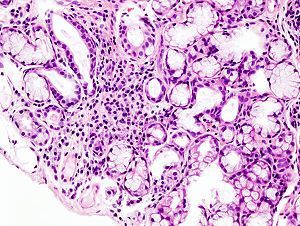
JAMA Dermatology reports a retrospective cohort study from Johns Hopkins reviewing mimic of dermatomyositis (DM), suggesting that DM and especially clinically amyopathic DM (CADM) are commonly and initially misdiagnosed as inflammatory skin disease (ISD).
Read ArticleDiagnoses via Immune ‘Fingerprints’
Science and researchers at Stanford Medicine have reported the use of Mal-ID (machine learning for immunological diagnosis) to analyze B and T cell receptors sequences from human blood, showing the ability to predict health status (healthy vs diseased) and discriminate between distinct autoimmune diseases or viral infections, and those who had received an influenza vaccine.
Read Article
Links: