
Article
EULAR has published the 2023 updated recommendations for the optimal non-pharmacological management of hip and knee osteoarthritis (OA).

Search for Terms or Answers
EULAR has published the 2023 updated recommendations for the optimal non-pharmacological management of hip and knee osteoarthritis (OA).
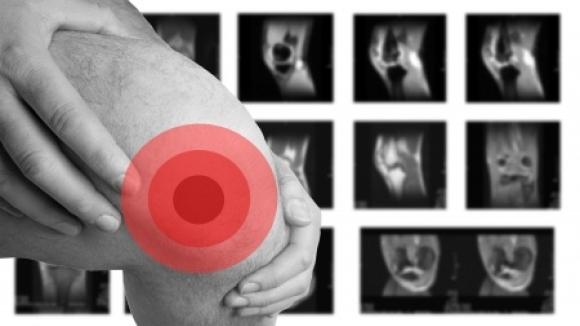
Analysis of French claims data, found over half of women initiating oral bisphosphonates (BP) between 2015 and 2020 discontinued treatment for at least one year, which was associated with a 12% increase in fracture risk.

A EULAR consensus group has established classification criteria for overall hand osteoarthritis (OA) and its subtypes (interphalangeal OA and thumb base OA).
The criteria require two mandatory criteria to be met:
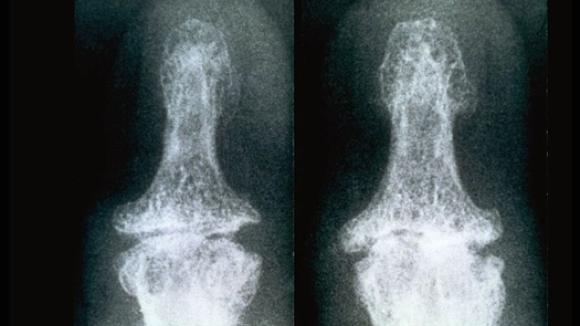
Dr. Jack Cush reviews the journal reports and news from the past week on RheumNow.com. This week: blockbuster drugs, opioids in rheumatology and nontreatment of inflammatory arthritis?

Dr. Gregory Curfman, MD (Executive editor of JAMA) writes on the chronological legal progress of a lawsuit stemming from rare instances of atypical femoral fractures associated with bisphosphonate (alendronate) use.
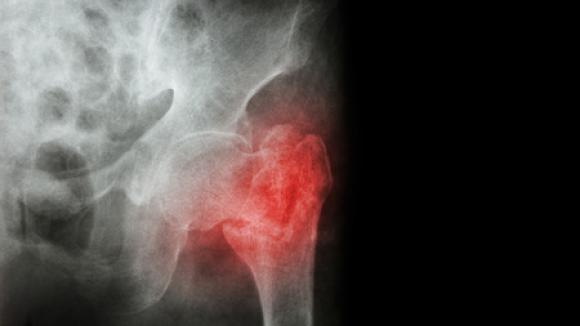
Proton pump inhibitors (PPIs), a specific class of antacid drugs, are among the most widely used medications of all. They are frequently prescribed to many groups of patients, including those with rheumatism.
The “Controversies in Vitamin D” International Conference has published their proceedings on vitamin D metabolism, assessment, actions, and supplementation. Interestingly, optimal levels of 25-hydroxy vitamin D (25(OH)D) are still being debated.

As part of the University of Colorado Department of Medicine’s annual Research Day, held on April 23, faculty member Christine Swanson, MD, MCR, described her National Institutes of Health-funded clinical research on whether adequate sleep can help prevent osteoporosis.
The Rotterdam study shows that weight-bearing recreational physical activity caused more incident knee osteoarthritis (KOA), but mainly when there was low muscle mass. KOA risk is traditionally linked to either obesity or injury. This study assesses whether muscle mass may influence osteoarthritis risk.

Science Advances has reported that Duke University researchers have validated a biomarkers of osteoarthritis that may be identified 2 years before the appearance of radiographic OA.






By downloading this material, I acknowledge that it may be used only for personal use and personal education and that I will accredit RheumNow.com as the source and owner of this material. Commercial use or mass reproduction of this material without permission from RheumNow (info@rheumnow.com) is prohibited.


