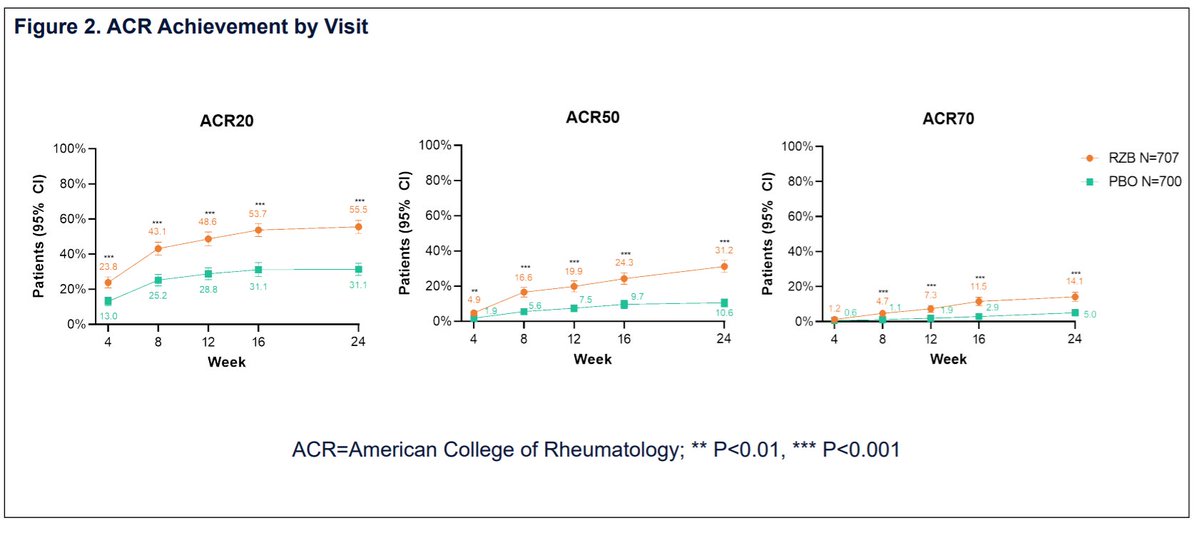
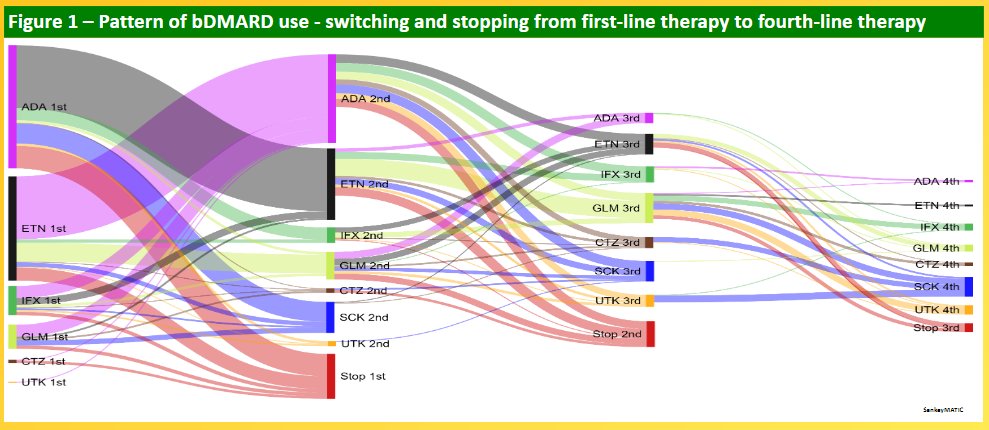
The pharmaceutical companies will feature the results of their pivotal clinical trials and data analyses at ACR Convergence 2021. Below is a listing of some of their best studies for you to review and look for in the meeting.

All News
The pharmaceutical companies will feature the results of their pivotal clinical trials and data analyses at ACR Convergence 2021. Below is a listing of some of their best studies for you to review and look for in the meeting.

New research presented this week at ACR Convergence, the American College of Rheumatology’s annual meeting, shows significant decreases in infections among people with psoriatic arthritis over the years 2012-2017.
The American Society of Clinical Oncology, Inc (ASCO) has updated its guidelines and recommendations for the management of immune-related adverse events (irAEs) in patients treated with immune checkpoint inhibitor (ICPi) therapy. Below are select statements from this guideline.
National Health Data from France examined biologic use in patients with moderate to severe psoriasis, and found the risk of serious infections (SIE) to be increased with some biologics (infliximab and adalimumab), but not others (etanercept, ustekinumab IL-17 and IL-23 inhibitors or apremila
Healthcare is a personal and individualized relationship between a provider and patient. Each patient is treated according to their particular symptoms and personal health characteristics.
Pregnancy outcomes may be affected by psoriatic arthritis or antirheumatic treatment; registry cohort study shows that preterm birth and cesarean delivery were mostly increased by antirheumatic treatment, especially biologics.
Today I have a few questions: Is tramadol really a weak narcotic? Should we really still be doing placebo-controlled trials? What are we going to do about our patients who are smokers? This and more, in this week's review of the news and journal articles.
The Journal of Rheumatology reports that current smoking significantly reduces the clinical efficacy of methotrexate (MTX)-based therapy, as studied in an early rheumatoid arthritis (RA) cohort.
Registry level data of patients with immune-mediated inflammatory diseases (IMIDs) diagnosed with COVID-19 should continue their TNF inhibitor (TNFi) therapy as such patients were less likely to experience adverse COVID-19 outcomes (compared to other immunomodulatory treatments).