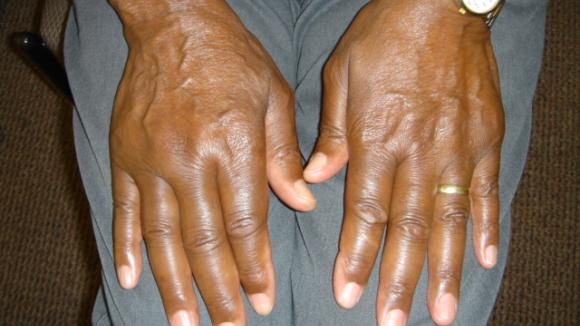
A retrospective study of cancer patients who developed immune checkpoint inhibitor-associated inflammatory arthritis (ICI-IA) shows that biologic DMARDs were more effective than conventional synthetic DMARDs (csDMARDs) in rapid control of arthritis.
All News
Dr. Jack Cush Reviews the News and Journal articles from the past week on RheumNow. This weeks highlights includes insights on scleroderma, myositis, vasculitis and answers the question - does aggressive biologic treatment of psoriasis prevent future psoriatic arthritis?
Dr. Jack Cush reviews the lastest journal articles, news, and FDA announcements from the past week on RheumNow. This week, the importance of IFNa, Subclinical PsA and NSAID safety during Pregnancy.
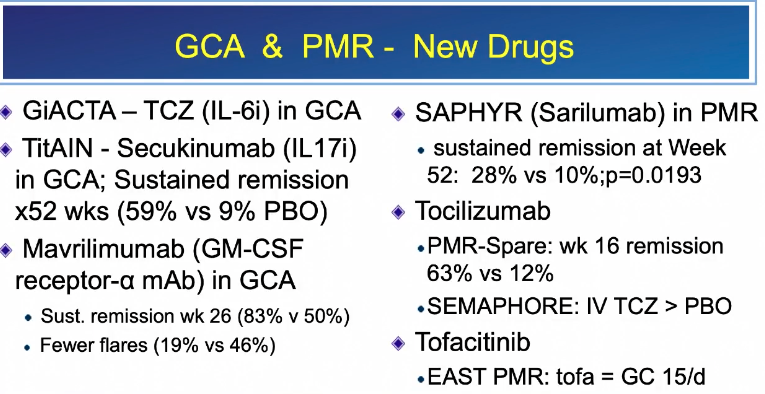
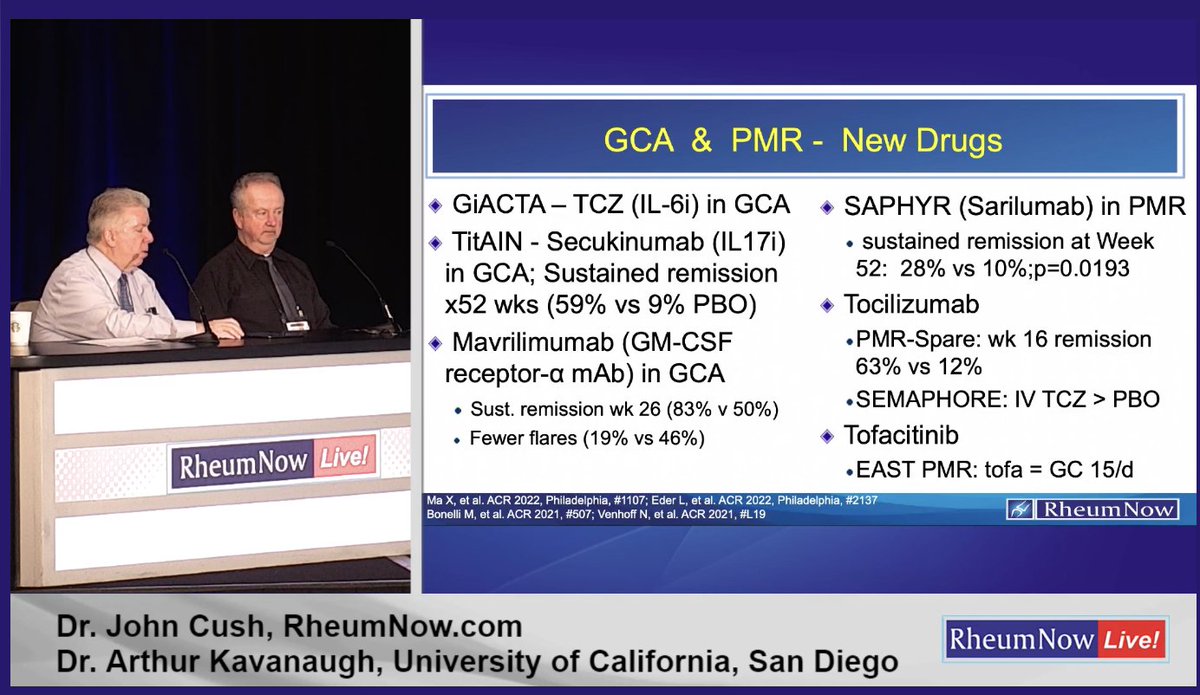
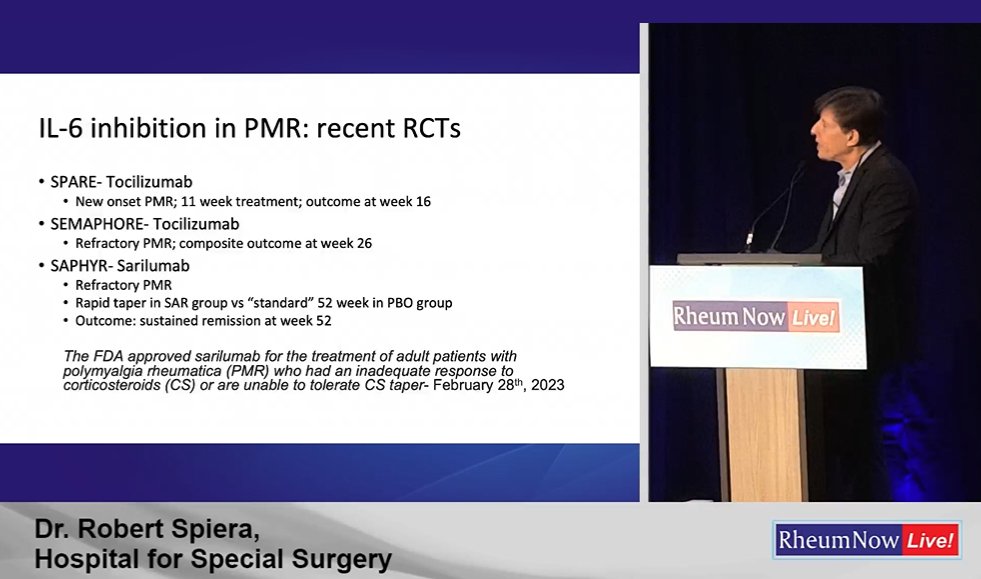
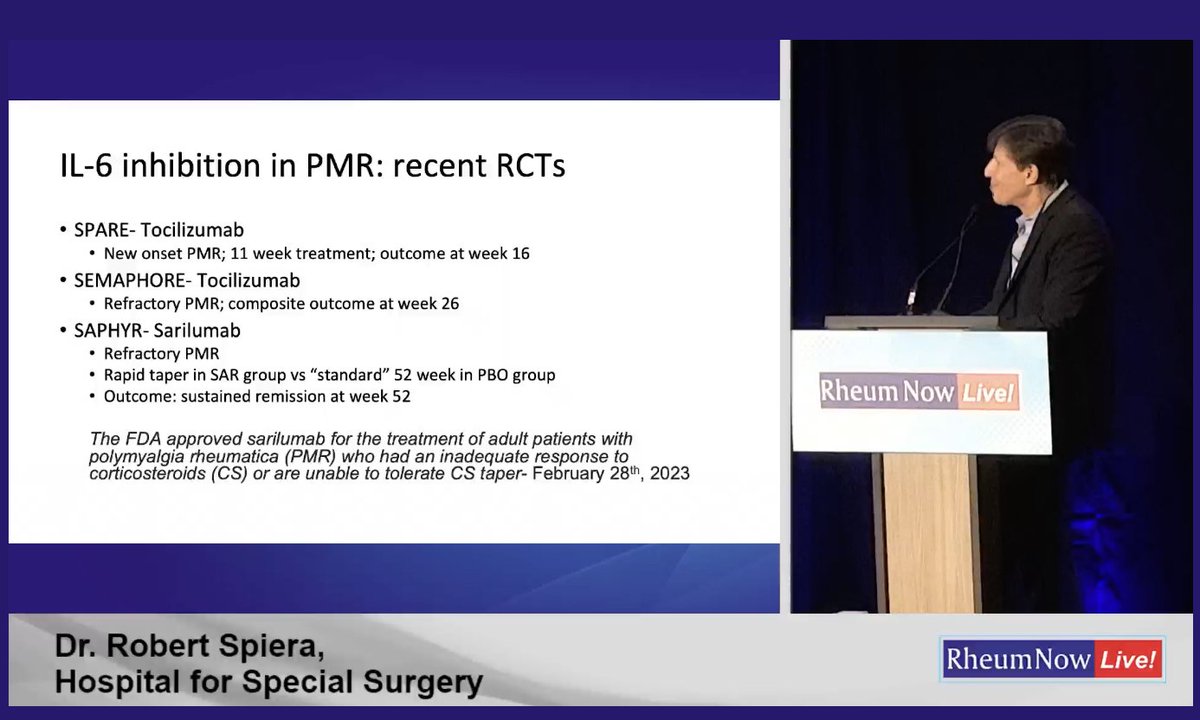
Yesterday, the U.S. Food and Drug Administration (FDA) approved sarilumab (Kevzara) for the treatment of adults with active, refractory polymyalgia rheumatica (PMR), stipulating it is indicated in those patients who have had an inadequate response to corticosteroids or who cannot tolerate corticosteroid taper.
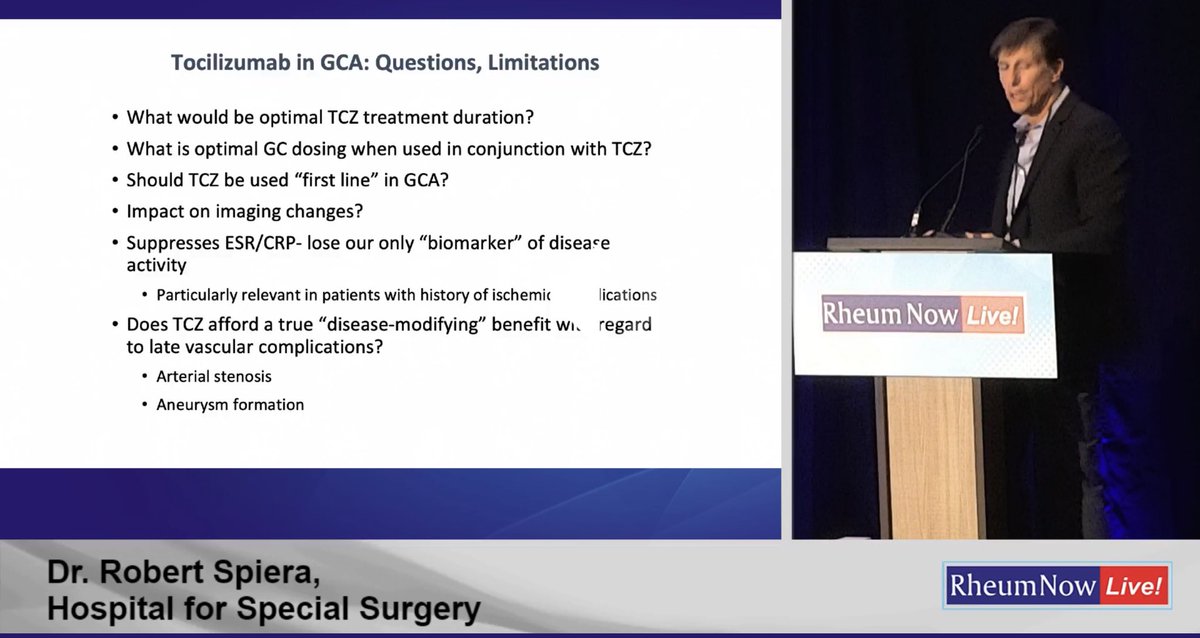
The Annals of Rheumatic Disease has published updated multinational, treat-to-target (T2T) recommendations for the treatment of giant cell arteritis (GCA) and polymyalgia rheumatica (PMR).
Dr. Jack Cush reviews the news and tries to stump the expert panel this week on the podcast.
Safety outcomes for targeted synthetic or biological disease-modifying antirheumatic drugs (b/ts DMARDs) used to treat RA were studied using data from the Anti-Rheumatic Therapies in Sweden (ARTIS) registry, showing that these newer agents are largely similar, but still have particular differences for specific infection or other adverse event risks.
Data from 17 international registries (JAK-pot collaboration) suggest that for Rheumatoid arthritis (RA) patients failing their first janus kinase inhibitor (JAKi), it did not matter if they were cycled to another JAKi or switched to a biologic disease-modifying antirheumatic drug (bDMARD).
Dr. Jack Cush reviews the best of 2022 in Rheumatology - highlights on new drug indications, breakthrough lupus therapies, new biosimilars and the multivitamin letdown.
2022 was a year of recovery, discovery, and some losses. While still dealing with the aftermath of COVID-19, rheumatologists were resilient as leaders for their patients and research in advancing rheumatologic care.
In Giant Cell Arteritis, Hospital Admission Is Bad News
One-third of patients admitted with giant cell arteritis (GCA) were rehospitalized within 6 months, largely because of complications potentially related to corticosteroid therapy, researchers found in a retrospective cohort study.
Dr. Jack Cush reviews the top abstracts from EULAR 2022 As chosen by me with the aid of the RheumNow EULAR faculty. “Top” is relative and subjective, but my criteria for inclusion are based on impact, water cooler talk potential, innovation and social media buzz. Speaking of social media…