Safety outcomes for targeted synthetic or biological disease-modifying antirheumatic drugs (b/ts DMARDs) used to treat RA were studied using data from the Anti-Rheumatic Therapies in Sweden (ARTIS) registry, showing that these newer agents are largely similar, but still have particular differences for specific infection or other adverse event risks.

All News
GRAPPA has provided new, evidence based updates to the management of enthesitis in patients with psoriatic arthritis (PsA), affecting at least 30% of PsA patients and is associated with more severe disease, x-ray damage, and poorer outcomes.
A cohort study in Annals of Internal Medicine shows that higher hydroxychloroquine doses was associated with progressively greater risk for incident retinopathy. The study aimed to assess the long-term risk for incident hydroxychloroquine retinopathy and examine the degree to which average hydroxychloroquine dose within the first 5 years of treatment predicts this risk.
A prospective, pragmatic, open-label, randomized trial conducted by the UK National Health Service, studied interventions in patients with carpal tunnel syndrome (CTS) and found no advantage to either CTS corticosteroid injection (CSI) or night splinting (NS) as the initial treatment of CTS.
Despite its well known toxicities, alcohol is known to be antiinflammatory. The effects of alcohol use in rheumatoid arthritis (RA) is less known, but a recent study suggests that alcohol consumption was dose-dependently associated with lower disease activity and higher health-related quality of life in RA patients.
Dr. Jack Cush reviews the news, journal articles and regulatory decisions from the past week from RheumNow.com. This week focuses on parodoxical psoriasis, scleroderma outcomes and subsets, and alopecia areata therapy.
A randomised controlled trial including 347 participants with lower back or neck pain found there was no benefit of taking opioid pain relievers compared to placebo.
Editor's Note: please note the error in the original report has been corrected to read: UCB affirms there are no open information requests from the FDA regarding the BLA for bimekizumab or bimekizumab manufacturing.
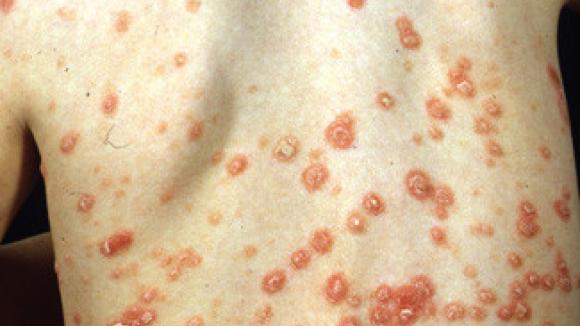
A multicenter cohort study reported a large cohort of pediatric patients receiving TNF inhibitor therapy complicated by psoriasis, regardless of treatment indication or the specific TNF inhibitor.