All News

Rheumatology: Believe It or Not (4/25/2025)
Dr. Jack Cush reviews the news and journal reports from the past week on RheumNow.com. Should we believe the reviews and metanalyses?
Read Article
Senescent "Zombie" Cells and Low Back Pain
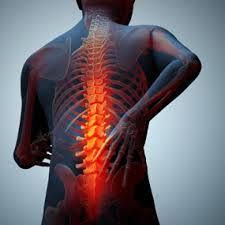
In a preclinical study led by McGill University researchers, two drugs targeting “zombie cells” have been shown to treat the underlying cause of chronic low back pain.
Read Article
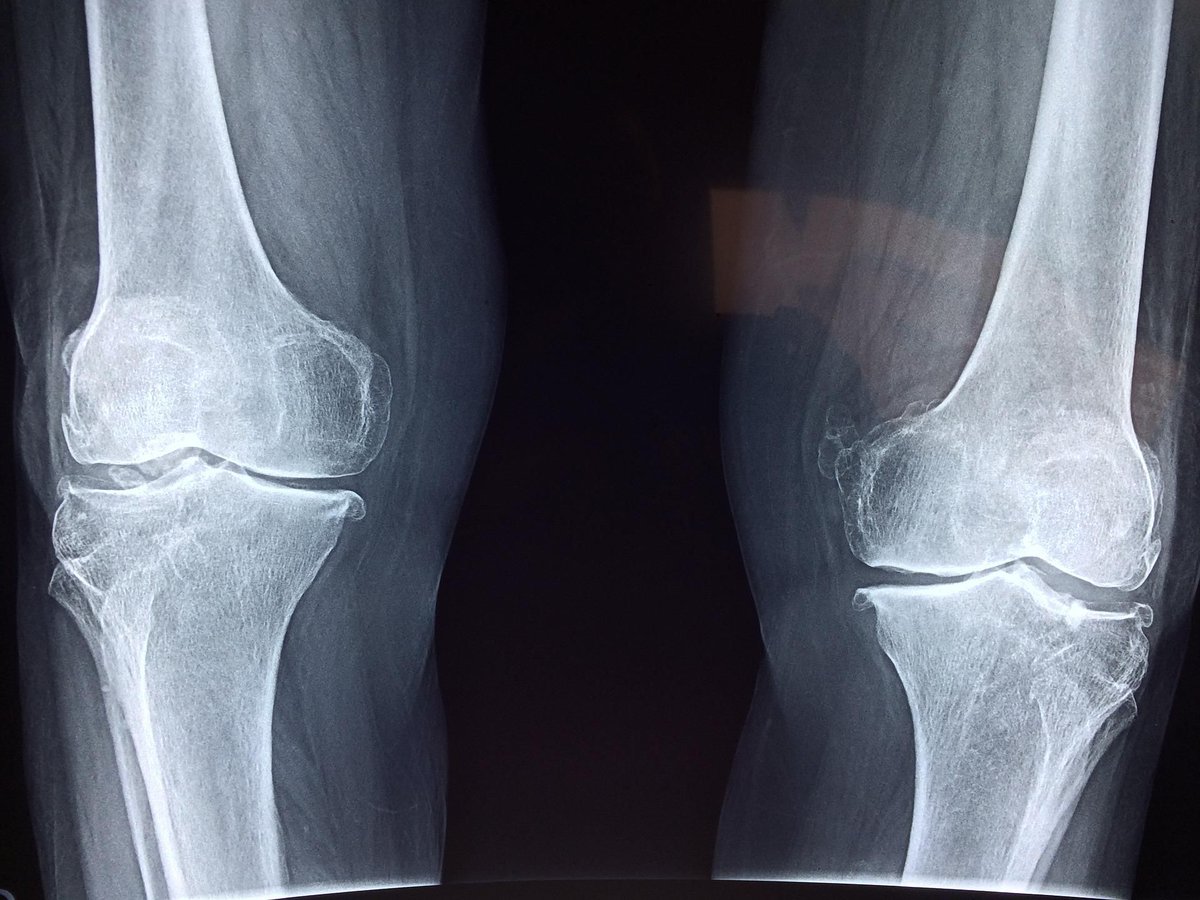
Genomics and Future Drug Targets for Osteoarthritis
A Nature article details the results of an osteoarthritis, genome-wide association study meta-analyses across up to 489,975 cases and 1,472,094 controls, establishing 962 independent associations, 513 of which have not been previously reported.
Read Article
EMR Messaging Woes (4.11.2025)
Dr. Jack Cush reviews the news, journal reports and regulatory approvals from this past week on RheumNow.com
Read Article
ACP: Best Practice Advice on Cannabis or Cannabinoids Use for Chronic Noncancer Pain
The American College of Physicians published a best practice advisory on cannabis or cannabinoids in the Annals of Internal Medicine.
Read Article
Mindfulness and CBT improve chronic low back pain
Behavioral interventions were associated with reduced pain and daily opioid use and improved function and quality of life for up to 12 months among adults with opioid-treated chronic low back pain, according to a new randomized clinical trial.
Read Article
Consensus Against Interventional Injections for Chronic Spinal Pain
BMJ has published a clinical practice guideline resulting from the work of an international, multidisciplinary panel addressing chronic spine pain (≥3 months duration) not associated with cancer or inflammatory arthropathy.
Cancer Survival with TNF Inhibitors (3.28.2025)
Dr. Jack Cush reviews the news and journal reports from this past week on RheumNow.com
Read Article
Repetitive Transcranial Magnetic Stimulation in Fibromyalgia
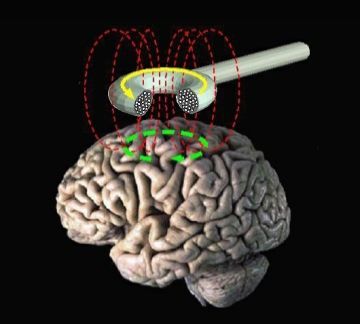
A randomized, sham-controlled trial has shown that repetitive transcranial magnetic stimulation (rTMS) reduced pain in fibromyalgia for up to 8 weeks; while analgesic effects waned, functional improvements remained during extended maintenance at week 16.
Read Article