
Article
A case-control study has shown that glucocorticoids and tapering glucocorticoids are risk factors for the development of Pneumocystis jirovecii pneumonia (PJP).

Search for Terms or Answers
A case-control study has shown that glucocorticoids and tapering glucocorticoids are risk factors for the development of Pneumocystis jirovecii pneumonia (PJP).

The NEJM has published a randomized controlled trial in giant-cell arteritis (GCA) patients, demonstrating significant efficacy and safety of upadacitinib (UPA), given as 15 mg daily, as compared to placebo.
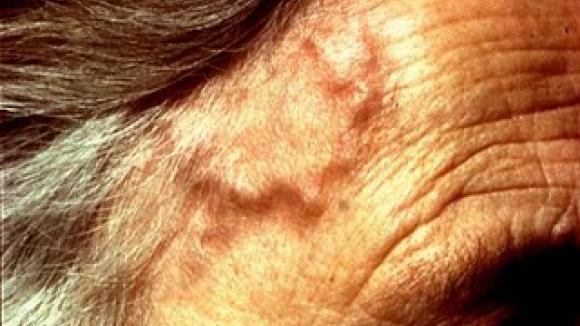
A German multicentre, retrospective study assessed the first-line efficacy of biologics and conventional synthetic DMARD therapy in patients with adult-onset Still's disease and found biologic agents were significantly better with sustained, event-free remissions and fewer complications.

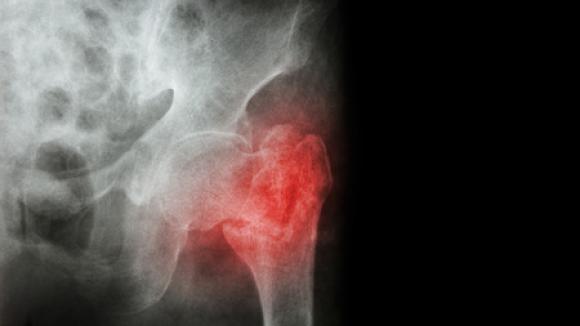
JAMA reviews the use of peripheral nerve block with hip fractures as an effective pain management strategy that can be performed by credentialed clinicians outside of the operating room.
Sattar et al. has published an informative overview of the effect of obesity on rheumatic and musculoskeletal diseases (RMDs). They estimate that nearly 70% of RMD patients are overweight or obese.

A prospective French study of rheumatoid arthritis (RA) or spondyloarthritis (SpA) patients showed that most maintained stable disease activity during pregnancy, but over one-third flared and required major changes in treatment.

JAMA has published a study of PMR and GCA patients who stopped glucocorticoid (GC) therapy and noted a low (1.2%) risk of GC-induced adrenal insufficiency after planned cessation.
The Pediatric African League against Rheumatism (PAFLAR) initiative has published its guidelines for the diagnosis and treatment of polyarticular juvenile idiopathic arthritis (pJIA).
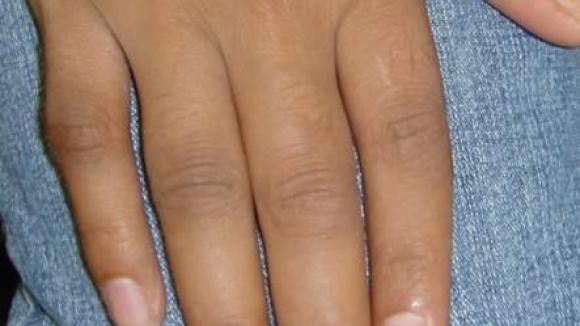
A randomized clinical trial has shown that oral mizoribine, a common immunosuppressant in Japan, was noninferior to intravenous cyclophosphamide (CTX) as induction therapy in patients with active lupus nephritis.
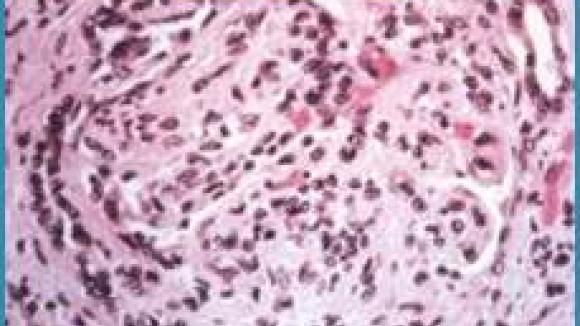
Dr. John Stone has led the effort to develop the GTI - glucocorticoid toxicity index. In this review article he acknowledges the need and benefit of steroids, but details a novel means to identify and limit the untoward effects of glucorticoids (GC).

2024 was a year of surprising new growth in technology, with the expansion of new therapeutic options for many patients and clinicians. While these many advances offer new hope, they are countered by disappointments and gapping unmet needs in rheumatology. Below is my top 10 list (in no particular order) of 2024 developments and desires that may change rheumatologic practices.


By downloading this material, I acknowledge that it may be used only for personal use and personal education and that I will accredit RheumNow.com as the source and owner of this material. Commercial use or mass reproduction of this material without permission from RheumNow (info@rheumnow.com) is prohibited.
