
Article
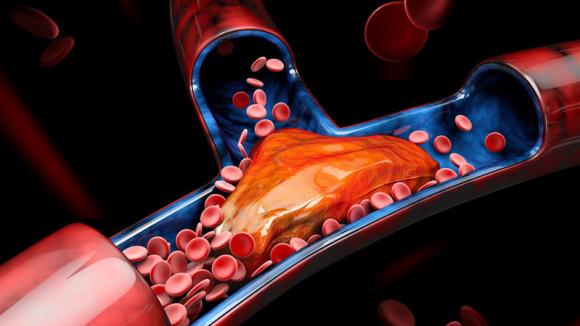
Severe and fatal outcomes with coronavirus infection are often the result of the downstream damage that follows the viral infection.

Search for Terms or Answers
Severe and fatal outcomes with coronavirus infection are often the result of the downstream damage that follows the viral infection.
Dr. Len Calabrese from the Cleveland Clinic delivers this week's Tuesday Nite Rheumatology Grand Rounds, entitled "IL-6 in Health and Disease: Where Rheumatology Meets COVID-19".
Dr. Calabrese provides a comprehensive review of IL-6 biology, and discusses IL-6 signaling, IL-6 roles in health, exercise, infection, innate and adaptive immunity as pertains to both rheumatology and the management of coronavirus infection.
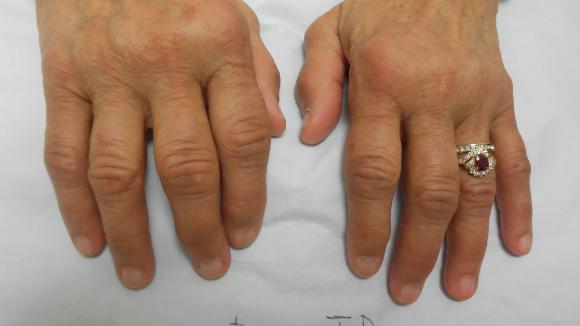
Many patients with rheumatoid arthritis (RA) who achieved remission or low disease activity on biologic treatment were able to reduce the dose of their biologic, particularly if they were also on methotrexate, a retrospective study found.
JAMA Cardiology reports the risk of QT (QTc) prolongation when hydroxychloroquine (HCQ) was given to hospitalized patients with coronavirus disease 2019 (COVID-19), especially when given with azithromycin.

The oral cannabinoid receptor type 2 (CB2) agonist lenabasum showed promising results for systemic sclerosis (SSc) in a phase II study.
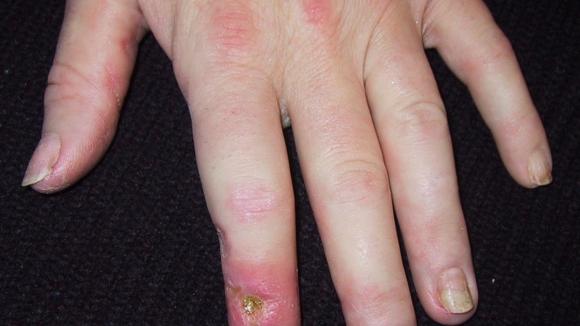
The Annals of Rheumatic Disease has published the preliminary recommendations of the German Society of Rheumatology for the management of Inflammatory rheumatic diseases patients during the SARS-CoV-2/Covid-19 pandemic.
These preliminary recommendations are based on an expert consensus from 17 experienced German rheumatologists.

In the last few days there have been encouraging "preliminary" reports that IL-6 inhibition by either tocilizumab or sarilumab may be efficacious in patients with severe coronavirus infections.

Arthritis & Rheumatology reports that biologic (bDMARD) use in rheumatoid arthritis may decrease cardiovascular disease risk by retarding coronary plaque formation and progression (especially non‐calcified and low‐attenuation plaque).
Dr Jack Cush reviews the news, journal reports, twitter feed and COVID developments from the past week on RheumNow.com
By downloading this material, I acknowledge that it may be used only for personal use and personal education and that I will accredit RheumNow.com as the source and owner of this material. Commercial use or mass reproduction of this material without permission from RheumNow (info@rheumnow.com) is prohibited.
