
Article
The following is a collection of cases presented to me by rheumatology colleagues. Each has a challenging therapeutic or safety issue. Answers are based on experience with references from literature and guidelines.

Search for Terms or Answers
The following is a collection of cases presented to me by rheumatology colleagues. Each has a challenging therapeutic or safety issue. Answers are based on experience with references from literature and guidelines.

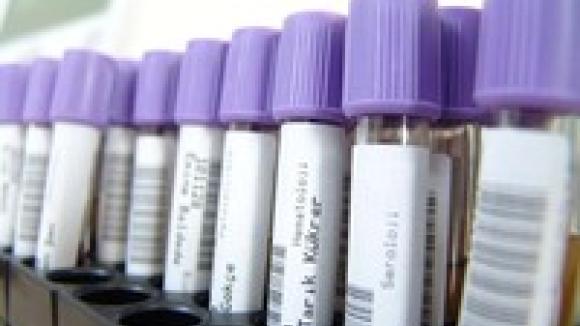
CBC…it’s easy as 123! The complete blood count (aka, CBC) is the most routine, but indispensable, of all medical assessments.
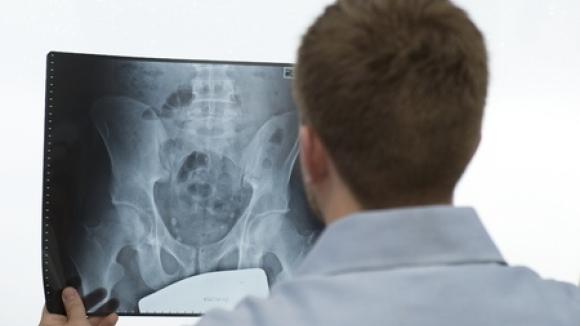
Increased use of MRI for diagnosis of spondyloarthritis (SpA) in the last two decades has led to earlier diagnoses and gradual incorporation of MRI into the SpA assessment toolset.
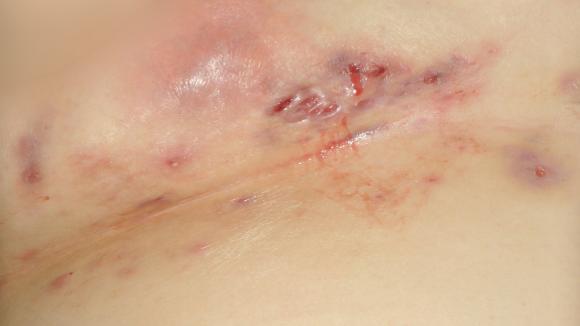
Hidradenitis suppurativa (HS) is a chronic inflammatory disease affecting exocrine glands with painful abscesses in intertriginous areas.
Update on Ankylosing Spondylitis and Spondyloarthritis
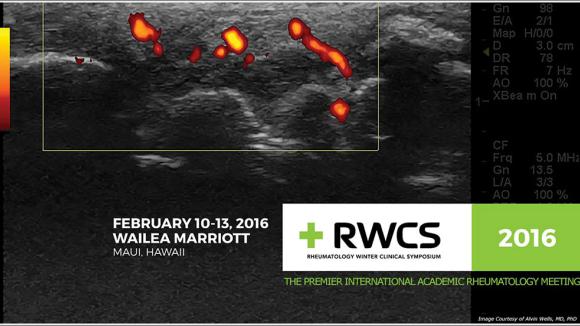
The Rheumatology Winter Clinical Symposia launched its 9th annual conference yesterday in Maui. Highlights of this meeting will be covered by RheumNow from Wednesday 2/10 till Saturday 2/13.
Rheumatoid Arthritis Year in Review
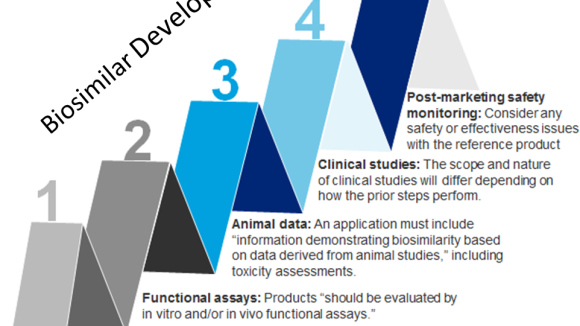
On Tuesday February 9th Celltrion presented its biosimilar developmental data to the FDA as they sought approval for their CT-P13 (called Inflectra), a biosimilar of infliximab (Remicade).

The arthritis advisory committee of the Food and Drug Administration (FDA) is scheduled to meet today, February 9th to review the efficacy and safety of Celltrion's biosimilar form of infliximab (Remicade) that is currently marketed in other countries.

Until the advent of TNF inhibitor therapy, nonsteroidal antiinflammatory drugs (NSAIDs) were the only effective treatment for ankylosing spondylitis or spondyloarthritis (SpA). More recently, several reports have suggested clinical and radiographic benefits to sustained NSAID use.

A population-based study of 1,272,424 live-born infants from Denmark and Sweden examined the prevalence of birth defects among infants born to 683 women with chronic inflammatory disease (inflammatory bowel disease, rheumatoid arthritis, ankylosing spondylitis, psoriatic arthritis, or psoriasis)
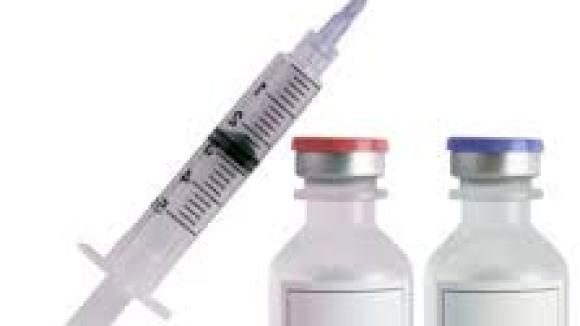
CT-P13, a biosimilar of infliximab (Remicade), demonstrated comparable and durable efficacy in the treatment of ankylosing spondylitis (AS), a multinational study found.
Apremilast, a novel phosphodiesterase 4 (PDE4) inhibiting conversion of cyclic AMP to AMP, was approved for treatment of psoriatic arthritis (PsA) after showing its efficacy in 16 weeks PALACE 1, 2, and 3 trials in 2014.
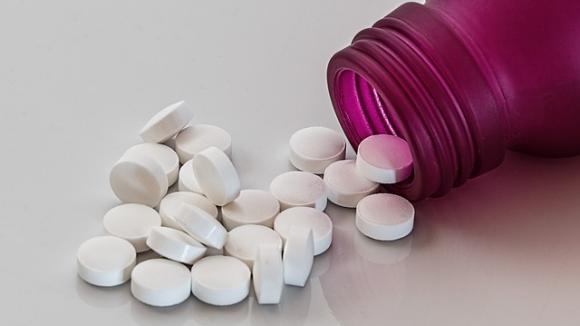
Researchers from Belgium studied patient adherence to MTX (given orally or via injection) in 129 rheumatoid arthritis (RA) patients over a 16-week period using an electronic monitoring system and two validated adherence questionnaires.
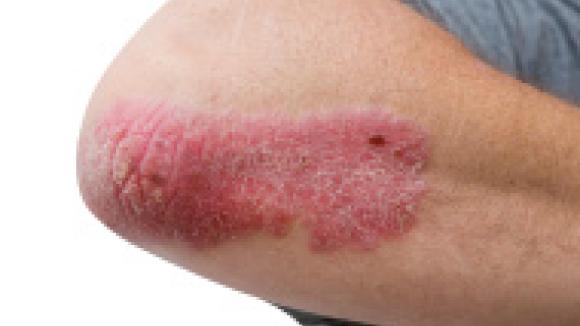
Cosentyx (secukinumab) was approved by the FDA on 15 January, 2016 for patients with active ankyosing spondylitis (AS) and psoriatic arthritis (PsA).

Widening experience with JAK inhibition for rheumatoid arthritis (RA) and tapering medications among RA patients in remission, along with the success of secukinumab for psoriatic arthritis (PsA), were the most important advances in rheumatology in 2015, according to specialists responding toMedPa
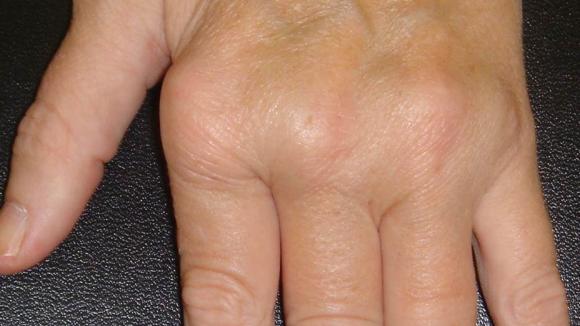
SpA is a common disease, but with large variation in reported prevalence estimates, partly explained by differences in demographical and methodological characteristics.
NEJM has published the results of two studies wherein IL-17 inhibition with secukinumab (SEC) was shown to be effective in patients with anklylosing spondylitis.
Although ankylosing spondylitis affects a predominantly male population, the ratio of men to women has declined from 9-10:1 in earlier studies to more recent estimates of 2-3:1 (F:M).

Tofacitinib has been approved for use in rheumatoid arthritis.

Methotrexate was first introduced in 1955 for leukemia and in 1986 became FDA approved for the treatment of adults with severe, active, rheumatoid arthritis or children with active polyarticular-course juvenile RA.

By downloading this material, I acknowledge that it may be used only for personal use and personal education and that I will accredit RheumNow.com as the source and owner of this material. Commercial use or mass reproduction of this material without permission from RheumNow (info@rheumnow.com) is prohibited.