Rituximab, a chimeric anti-CD20 monoclonal antibody, has been effectively used in the treatment of multiple autoimmune disorders for over two decades. But the response to rituximab has been shown to not be as effective in SLE as it is in RA.

All News
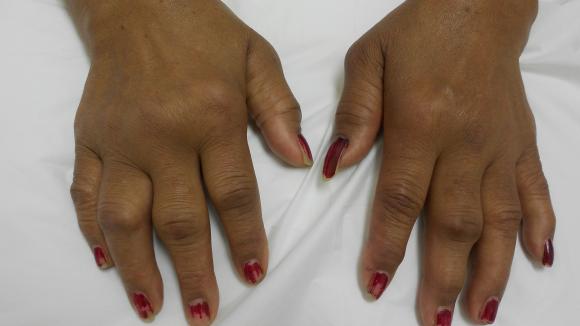
Pianta, et al have published their findings in the Journal of Clinical Investigation showing that two novel autoantigens, GNS and FLNA, are highly expressed in synovium and share a sequence homology with gut microbesa; thereby providing a potential link between gut mucosal and joint immunity in rheumatoid arthritis.
It is a common practice for rheumatologists to discuss medication-related teratogenicity and disease implications in case of pregnancy. Yet, discussion of breastfeeding are often omitted.
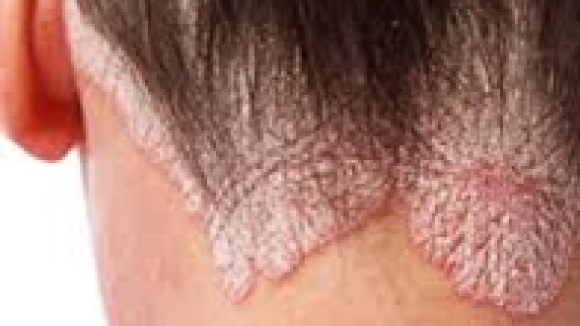
Therapeutic options for cutaneous psoriasis (and psoriatic arthritis as well) are rapidly expanding. Lancet has published the impressive results of two phase III trials of tildrakizumab, a IgG1 antibody against interleukin 23 p19, in patients with active chronic plaque psoriasis.
The American College of Rheumatology has partnered with the American Association of Hip and Knee Surgeons to develop consensus-based guidelines for perioperative management of antirheumatic therapies for patients with rheumatic diseases who plan to undergo total joint replacement.
Friday was a mega-day in Madrid as this day all the late-breaking abstracts were presented, in addition to the bulk of high-impact podium presentations in several areas.
Here are the major presentations from several clinical areas.
A double-blind, placebo-controlled, multicenter study aimed to evaluate efficacy and safety of a fully human monoclonal anti IL-23 antibody guselkumab, in patients with active psoriatic arthritis.
Dr. Jack Cush reviews some of the highlights from the past week at EULAR 2017 - June 16, 2017.
Follow RheumNow's expanded coverage from EULAR 2017 in Madrid.
The current Lancet edition for 10 June 2017 is a rheumatology rich collection.
On Monday June 11th, the US Supreme Court unanimously ruled that biosimilar manufacturers can bring their drugs to market faster by eliminating the provision that the biosimar manufacturer had to give the innovator company 180 days notice before launching the new biosimilar.
Subcutaneous (SC) abatacept (Orencia) is now available for use in patients 2 years of age and older with moderately to severely active polyarticular Juvenile Idiopathic (JIA) according to Bristol-Myers Squibb.
Vaccinating our rheumatoid arthritis patients against influenza every year is a safety priorty. However immunosuppressive therapies pose a challenge to vaccine administration as their use can hamper vaccine immunogenicity.
AbbVie released the preliminary results of a rheumatoid arthritis trial wherein its Jak inhibitor, upadacitinib, was tested against placebo, and shown to be superior in established RA patients who have failed prior DMARD therapy.
Biosimilars continue to command a great deal of research, development and attention given the promise of significant cost savings and potentially wider use for those in need. Biosimilar Reports is an ongoing series dedicated to advances, discussions and developments in biosimilar agents intended for use by rheumatologists.
Treatment options for children with active polyarticular juvenile idiopathic arthritis (polyJIA) have lagged behind that seen with adult rheumatoid arthritis.
Stepping up to biologic therapy when methotrexate (MTX) monotherapy fails was not shown to be cost effective, compared to first trying triple therapy, in a rheumatoid arthritis (RA) study published in Annals of Internal Medicine.
Dr. Jack Cush Reviews highlights from the past week on RheumNow.com:
Ixekizumab (Taltz) is currently approved for use in plaque psoriasis and is being developed for use in psoriatic arthritis (PsA). New results show IXE to be highly effective at skin and joint outcomes in PsA patients who have failed a TNF inhibitor (TNFi).
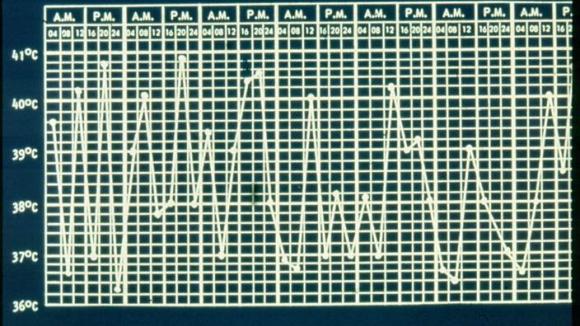
Adult-onset Still disease (AOSD) is usually regarded as an autoinflammatory disease, largely because of its symptomatology and responsiveness to IL-1 inhibition.
The NEJM reports success when using mepolizumab (anti-IL-5 monoclonal antibody) in a 52 week study of patients with eosinophilic granulomatosis with polyangiitis (EGPA).