Symptoms that persist long after Lyme disease is treated are not uncommon — a 2022 study found that 14% of patients who were diagnosed and treated early with antibiotic therapy would still develop Post Treatment Lyme Disease (PTLD). Yet doctors puzzle over the condition’s causes and how to help their patients through symptoms ranging from severe fatigue and cognitive challenges to body pain and arthritis.

All News
Dr. Jack Cush reviews the news and Journal reports from this week on RheumNow.com. Osteoarthritis patients have unique risks and synovial fluid WBC numbers can tell you when to worry about septic arthritis in gout and pseudogout patients.
Genetic sequencing as a research and diagnostic tool has expanded in medicine and rheumatology. An interesting review in Arthritis and Rheumatology suggests that despite currently modest use, there will be an expanded role for genetic sequencing in the field of rheumatology.
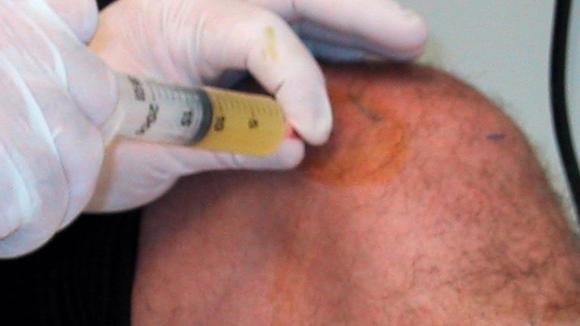
A single center, retrospective review of patients undergoing knee joint fluid aspirations for presumed crystalline arthritis (CA) showed that synovial WBC may provide a useful diagnostic marker for SA with an optimal threshold of 50,000 cells/mm3.
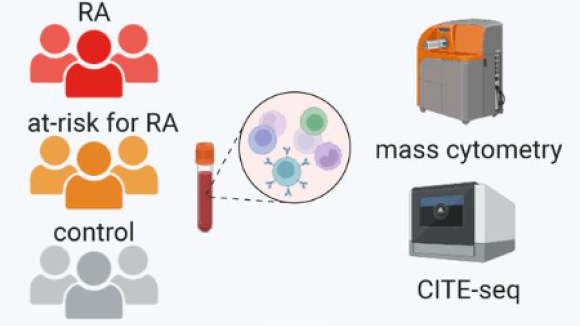
Researchers at the University of Colorado have identified pathogenic immune phenotypes in at-risk populations for rheumatoid arthritis (RA).
Uveitis Risk with Slow Adalimumab Weaning
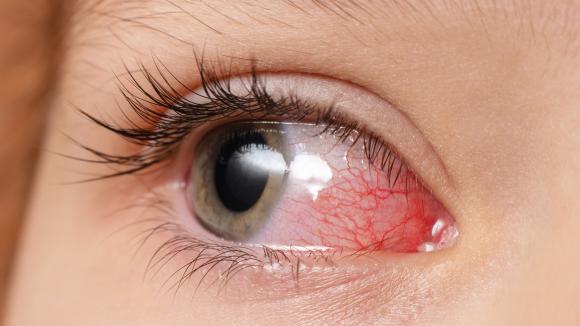
Patients with pediatric non-infectious uveitis (NIU) who achieved remission on adalimumab (Humira) had lower recurrence rates when the drug was withdrawn more gradually, a retrospective cohort analysis indicated.
Behavioral interventions were associated with reduced pain and daily opioid use and improved function and quality of life for up to 12 months among adults with opioid-treated chronic low back pain, according to a new randomized clinical trial.
Vamorolone is a potentially new alternative to traditional glucocorticoids for use in inflammatory diseases.
A German multicentre, retrospective study assessed the first-line efficacy of biologics and conventional synthetic DMARD therapy in patients with adult-onset Still's disease and found biologic agents were significantly better with sustained, event-free remissions and fewer complications.
Dr. Jack Cush reviews the news and journal reports from this past week on RheumNow.com