The TOMORROW study assessed the relationship between diet and disease activity in rheumatoid arthritis (RA) patients and has shown that RA patients are more likely to have higher inflammatory diets, but that a change to an anti-inflammatory diet resulted in lower disease activity s

All News
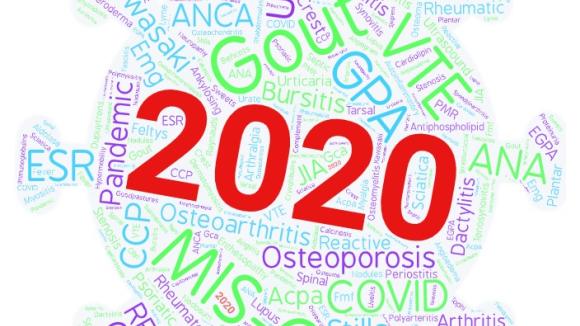
2020 was historic, memorable and game-changing. Under the cloud of COVID-19, there were many significant and memorable advances and setbacks for the rheumatology world. In our accounting of most read articles for 2020, (not surprisingly) 17/20 were COVID-related.
EULAR has published evidence-based recommendations on the use of intra-articular therapies (IAT) based on the literature review and recommendations of a multidisciplinary international task force. These IAT recommendations apply to adult patients with peripheral arthropathies.
The FDA has notified healthcare professionals of a safety alert concerning tofacitinib (Xeljanz), noting that preliminary results from a long-term safety clinical trial show an increased risk of serious heart-related problems and cancer with tofacitinib (compared to adalimumab) when given to at-risk rheumatoid arthritis patients. These findings are in addition to the thrombotic risks (added to the label), potential risks including blood clots in the lungs and death.
Pfizer announced results Wednesday from its FDA-mandated postmarketing safety study of tofacitinib (Xeljanz), and they don't bode well for the drug and possibly others in its class.
The American College of Rheumatology (ACR) has issued new guidelines on the treatment of rheumatoid arthritis, addressing questions about initial treatment with methotrexate and minimizing reliance on glucocorticoids.
The American College of Rheumatology (ACR) has released an updated position statement on patient safety and site of service for biologics outlining several reasons why the ACR strongly believes infusions should be administered in a monitored health care setting with onsite supervision by a provid