Article
Dr. Jack Cush reviews the news and journal reports, discusses pediatric reports, pregnancy data, diet and nutrition and more.

Search for Terms or Answers
Dr. Jack Cush reviews the news and journal reports, discusses pediatric reports, pregnancy data, diet and nutrition and more.

The NEJM has published a report from van Vollenhoven et al showing a new dual B cell inhibitor, telitacicept, to be effective when given to active systemic lupus erythematosus (SLE) patients; but this comes with a few safety concerns.

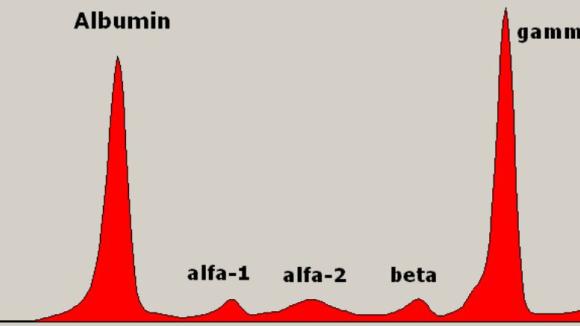
NEJM has reviewed the common hematologic/immunologic finding of "monoclonal gammopathy of undetermined significance" (MGUS) - a common premalignant plasma-cell proliferative disorder found in approximately 5% of those over age of 50 years.
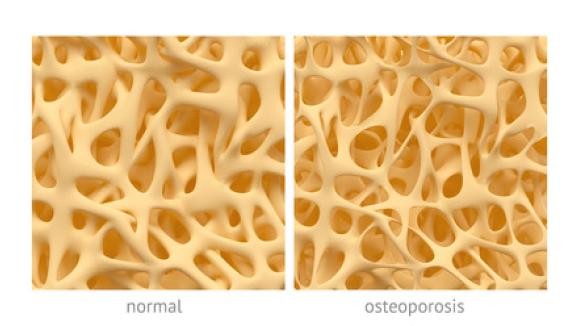
A Veterans Affairs (VA) Health Systems study of older male veterans found benefits of a remote model of screening that significantly improved osteoporosis screening, treatment, and adherence compared with usual care, with high patient and clinician acceptance.
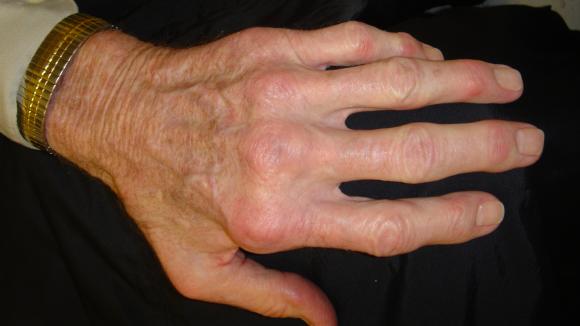
A study of radiographic outcomes in difficult-to-treat rheumatoid arthritis (D2T RA) and poly-refractory RA (pr-RA) show a subset in whom damage is rapid and in need of more aggressive therapy.
Medical University of South Carolina geneticist Betty Tsao, Ph.D., will lead a five-year project to identify rare mutations associated with childhood-onset systemic lupus erythematosus (SLE), or lupus, with more than $3.5 million in funding from the National Institute of Arthritis and Musculoskeletal and Skin Diseases (NIAMS). Tsao holds the Richard M. Silver Endowed Chair for Inflammation Research in the Division of Rheumatology and Immunology at MUSC.

People with rheumatoid arthritis (RA) who experienced disease flares often showed changes in heart rate and physical activity captured by popular wearable devices 4 weeks before they became clinically apparent, a small study indicated.

When I see patients with RA-associated ILD, I’m often asked: “Are the lungs and joints really connected?” The answer is yes, and the connection extends further back than some may realize. While RA is defined by inflammation of the joints, extra-articular complications of the lung are well recognized. ILD has often been viewed as a complication of longstanding RA, but it can also appear before joint disease in a subset of patients.

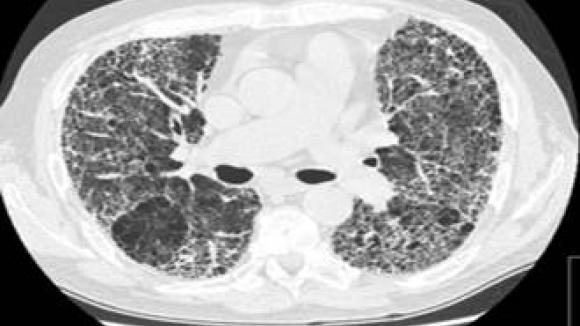
A systematic review and meta-analysis examined the role of high-resolution computed tomography (HRCT) in diagnosing and characterizing interstitial lung disease (ILD) associated with connective tissue diseases (CTDs).





By downloading this material, I acknowledge that it may be used only for personal use and personal education and that I will accredit RheumNow.com as the source and owner of this material. Commercial use or mass reproduction of this material without permission from RheumNow (info@rheumnow.com) is prohibited.