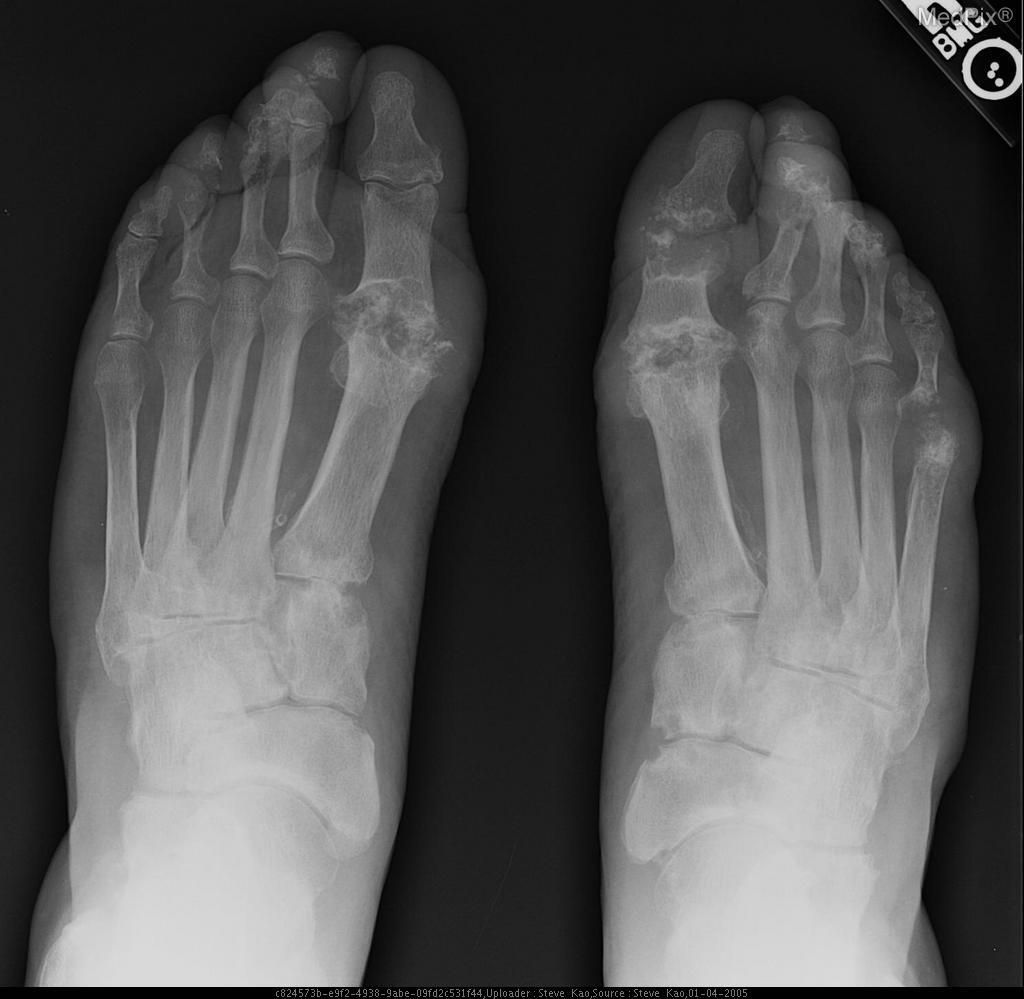
Eosinophilic granulomatosis with polyangiitis (EGPA) has long been managed by extrapolating results from microscopic polyangiitis and granulomatosis with polyangiitis clinical trials. But new insights into EGPA's has lead to advances in therapy and new treatment paradigms.
All News
U.S. News & World Report has published its Best Hospitals for 2026-2027, listing the best among many specialties, including rheumatology. Each year U.S. News Best Hospitals ranked hospitals in the U.S.
People taking hydroxychloroquine (HCQ) for systemic lupus erythematosus (SLE) showed markedly increased risk for atherosclerotic cardiovascular disease when blood levels of the drug were low and when long-term adherence was poor, a prospective study showed.
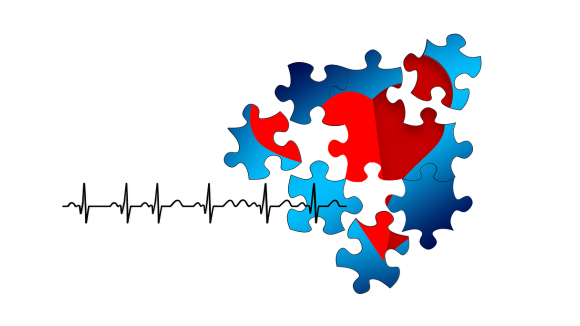
A new review in the Journal of Cardiovascular Development and Disease (Tamirisa et al) synthesizes how systemic lupus erythematosus, rheumatoid arthritis, and systemic sclerosis have an increased risk of arrhythmias and sudden cardiac death attributable to shared immune pathways.
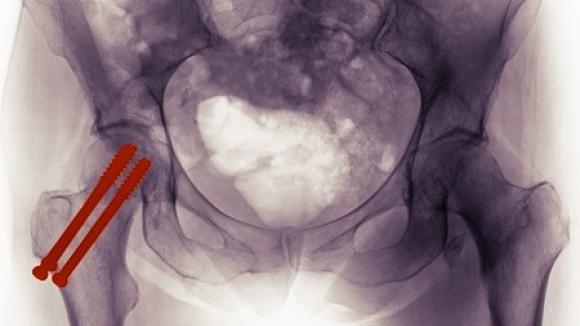
The July 16th edition of JAMA reviews the highly prevalent problem of hip fractures - a major global health burden: 14.2 million occur worldwide annually (280,000 in the US), with global incidence higher in women (833.9/100,000) than men (510.0/100,000). Lifetime risk at age 50 is 22.9% for women, 10.7% for men. Mortality is substantial.
Dr. Jack Cush reviews the news and journal articles from this past week on RheumNow.com.
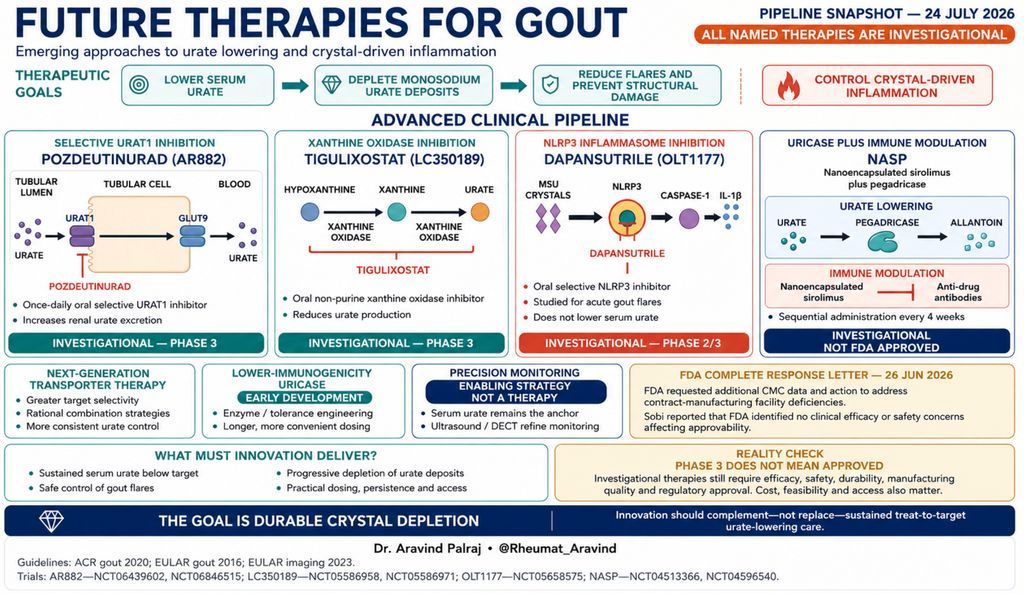
During this month-long campaign on Gout, we have documented many significant changes in our approach to gout, as well as many unmet needs and deficiencies that merit our continued, primary attention. We are all familiar with the famous 1905 quote, “Those who cannot remember the past are
July is Juvenile Arthritis Awareness Month, and while many people think of arthritis as a disease of aging, nearly 300,000 children in the U.S. are living with a rheumatic disease.
Researchers examined genetic data drawn from 11 different worldwide cohorts, that included from more than 2.5 million adults, of which 55,000 had been diagnosed with fibromyalgia. They identified DNA sequence variants in 26 regions of the genome that affect the risk of developing fibromyalgia. Many of the genes implicated in these regions are involved in brain and nerve function. This is the largest fibromyalgia GWAS to date.