
Article
Using hospitalization claims from 7 states, reasearchers studied the risk of cardiovascular outcomes following surgery in rheumatoid arthritis (RA) patients. (Citation source http://buff.ly/1TDsVG6)

Search for Terms or Answers
Using hospitalization claims from 7 states, reasearchers studied the risk of cardiovascular outcomes following surgery in rheumatoid arthritis (RA) patients. (Citation source http://buff.ly/1TDsVG6)

An emergency department based study evaluated the efficacy and safety of oral prednisolone versus indomethacin in 416 patients with acute gout in a multicenter, double-blind, randomized trial.

The following is a collection of cases presented to me by rheumatology colleagues. Each has a challenging therapeutic or safety issue. Answers are based on experience with references from literature and guidelines.

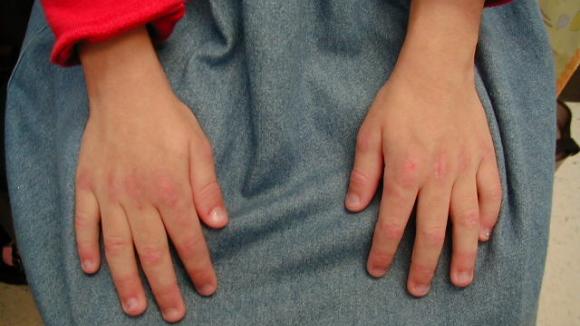
In the current issue of Lancet, Pierre Miossec discusses the challenges of studying and managing juvenile dermatomyositis and, specifically, the
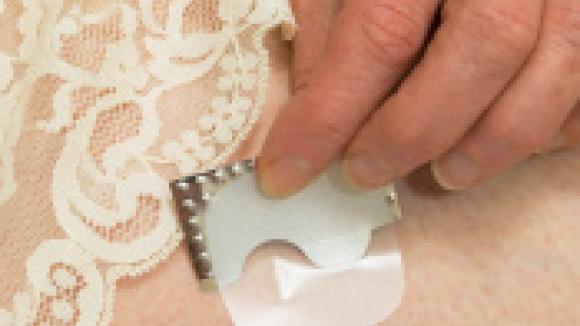
Reuters reports that researchers at the University of Warwick have devised a new transdermal drug delivery patch that may change the future of pain management.
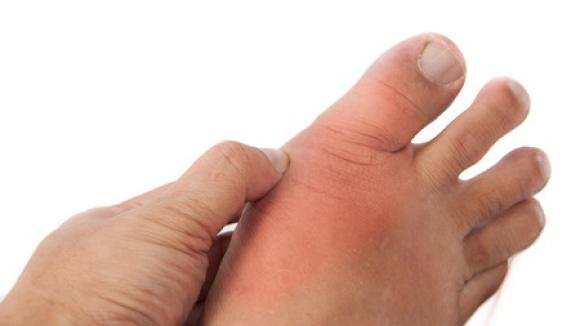
Renal impairment is a risk factor for gout and a barrier to optimal gout management. Many of the drugs used to treat gout require adjustment in those with renal disease.
The good news: in 2015 the FDA approved a record number of new drugs (n=45).
The bad news: most new drugs entering the market today have an exorbitantly high price tag.

Update on Ankylosing Spondylitis and Spondyloarthritis
A prospective cohort of RA first-degree relatives were prospectively studied for genetic and environmental factors (smoking, body mass index, education, and parity) and RA-related autoantibodies that may influence future development of inflammatory joint symptoms over a 2 year 

The paradigm for DMARD use in rheumatoid arthritis (RA) begins with DMARD monotherapy and then escalates to combination therapy with either DMARDs or a combination of conventional DMARD plus a biologic DMARD (bDMARD).

Recent Developments in Osteoarthritis, Osteoporosis and Gout
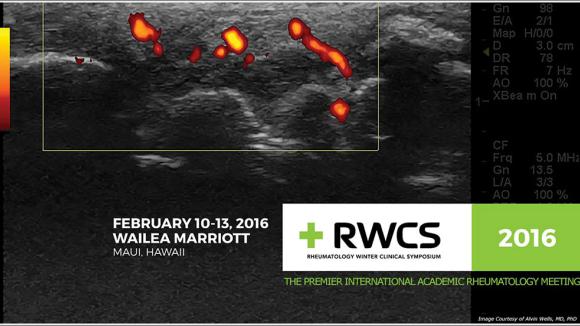
The Rheumatology Winter Clinical Symposia launched its 9th annual conference yesterday in Maui. Highlights of this meeting will be covered by RheumNow from Wednesday 2/10 till Saturday 2/13.
Rheumatoid Arthritis Year in Review
Once the clock runs out on teriparatide (TPTD or Forteo), what is the next best option?

The mantra of rheumatologists worldwide is to treat rheumatoid arthritis (RA) earlier and more aggressively. While referral of early RA patients has improved, there is little data demonstrating that more aggressive treatment works or is cost effective.

On Tuesday February 9th Celltrion presented its biosimilar developmental data to the FDA as they sought approval for their CT-P13 (called Inflectra), a biosimilar of infliximab (Remicade).

Juvenile idiopathic arthritis (JIA) is commonly managed with methotrexate (MTX), with many pediatric rheumatologists preferring to use parenteral MTX for compliance and absorption reasons.

A Quebec administrative claims analysis examined the birth outcomes of women with a history of juvenile idiopathic arthritis (JIA) who subsequently had a first-time birth (between 1983-2010).

Until the advent of TNF inhibitor therapy, nonsteroidal antiinflammatory drugs (NSAIDs) were the only effective treatment for ankylosing spondylitis or spondyloarthritis (SpA). More recently, several reports have suggested clinical and radiographic benefits to sustained NSAID use.

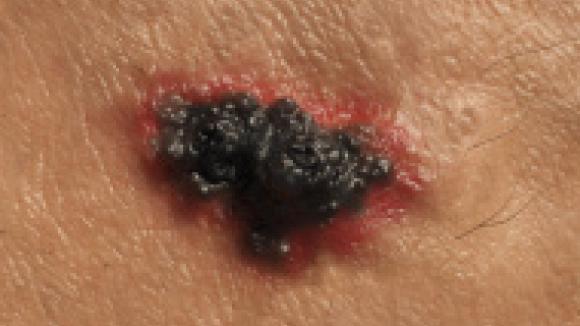
Rheumatoid arthritis (RA) patients are said to have a neutral risk for neoplasia, but this is because they have a lower risk of colon cancer and breast cancer but a higher risk of lung cancer, lymphoma and skin cancers.
A population-based study of 1,272,424 live-born infants from Denmark and Sweden examined the prevalence of birth defects among infants born to 683 women with chronic inflammatory disease (inflammatory bowel disease, rheumatoid arthritis, ankylosing spondylitis, psoriatic arthritis, or psoriasis)
By downloading this material, I acknowledge that it may be used only for personal use and personal education and that I will accredit RheumNow.com as the source and owner of this material. Commercial use or mass reproduction of this material without permission from RheumNow (info@rheumnow.com) is prohibited.

