
Article
A recent analysis of randomized clincal trials (RCT) for the treatment of neuropathic pain has shown in increase in placebo responses. (Citation source http://buff.ly/1LL8yAi)

Search for Terms or Answers
A recent analysis of randomized clincal trials (RCT) for the treatment of neuropathic pain has shown in increase in placebo responses. (Citation source http://buff.ly/1LL8yAi)

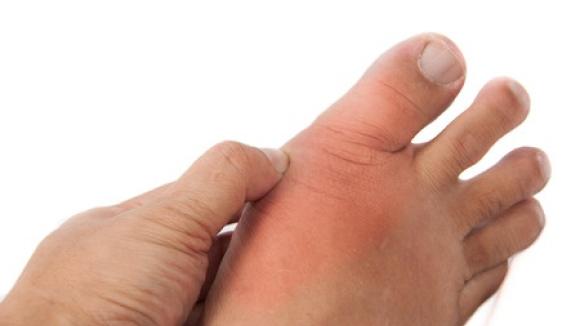
A retrospective analysis examined whether it's better to initiate urate-lowering therapy (ULT) during or after an attack of acute gout.
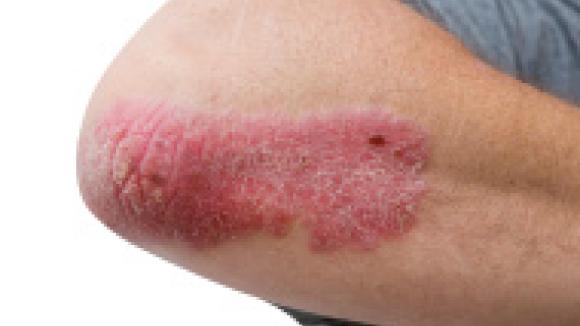
The FDA has denied Pfizer's application seeking an indication for Xeljanz in patients with moderate to severe chronic plaque psoriasis.
The CDC has reported in the NEJM that dietary supplements may be associated with higher than expected rates of adverse events requiring medical evaluation in the emergency department (ED).

Hydroxychloroquine (HCQ or Plaquenil) retinopathy is rare, but still a major concern among patients and prescribers.

This month's DSB addresses labeling changes as well as safety reports from literature, including steps to prevent major birth defects, timing and intervals between PCV13 and PPSV23 vaccines, PPIs and subacute cutaneous lupus, and FDA warnings on tramadol in children.
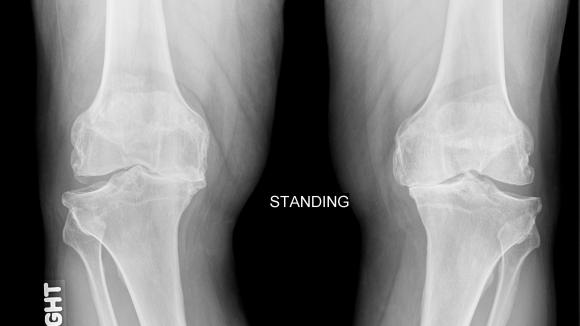
Primary prevention of osteoarthritis is an ideal goal for which there has been little success in clinical trials.
AMAGINE-2 and AMAGINE-3 are in two phase 3 studies that compare multiple doses of brodalumab (anti-IL-17) and ustekinumab (anti-12/23) in adults with moderate-to-severe psoriasis.
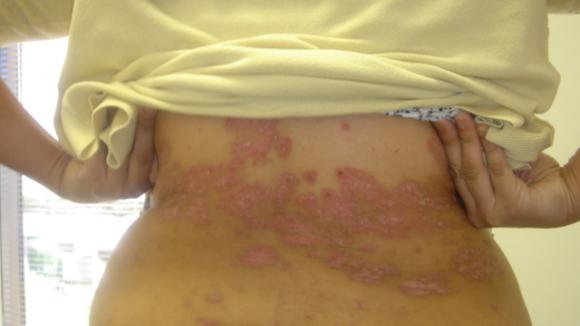
Biologic and new drug development seldom targets children and adolescents. This study evaluated the efficacy and safety of ustekinumab in adolescents age 12 to 17 years with moderate-to-severe psoriasis,
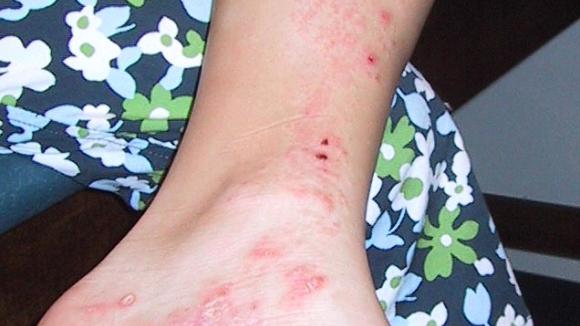
Mease and colleagues have published their results of a phase 3 trial of secukinumab (anti-IL-17A Mab) in 606 patients with psoriatic arthritis (PsA).
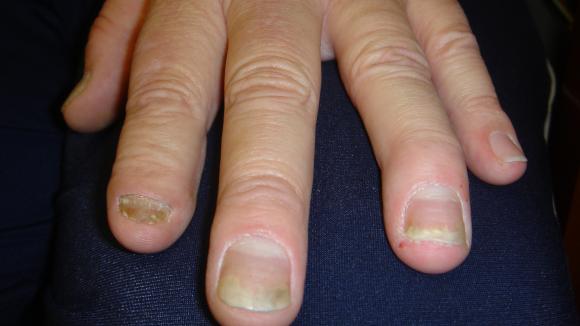
Tight control in rheumatoid arthritis was introduced with the TICORA trial and validated in numerous treat-to-target studies since. Now the benefits of tight control in psoriatic arthritis (PsA) have been reported.
RheumNow is committed to reporting safety issues in our monthly Drug Safety Bulletins. Each month we will update you with reports of new, ongoing and resolved Drug Shortages that will affect the practicing rheumatologist.
The ACR and SPARTAN (Spondyloarthritis Research and Treatment Network) has worked together to study 57 specific treatment questions regarding AS and SpA. The following guidelines have recently been published after conducting systematic literature reviews.

Biologics have been a great advance in therapeutics, but at great cost. Although biologics account for less than 1% of all prescriptions in the USA, they account for 28% percent of the cost of prescribed medications.

Biosimilars are rapidly growing. Many of these will have their first introduction to countries outside of the USA. There is concern whether biosimilars will provide identical pharmacodynamics, biological function, efficacy and toxicity to reference products, both in the short and long term.

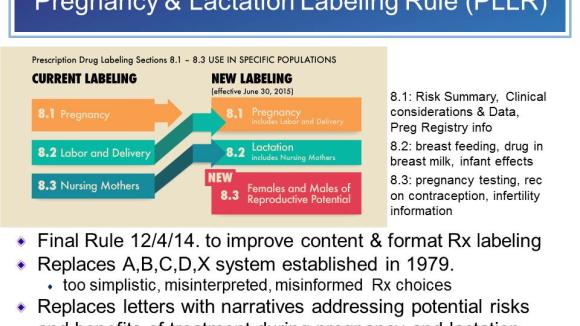
A recent article from Healio.com reviewed the FDA’s Pregnancy and Lactation Labeling Rule (PLLR) that became effective June 30th.
Secukinumab (Cosentyx) is an anti-IL-17 monoclonal antibody currently approved for use in moderate to severe psoriasis. It has also been studied in psoriatic arthritis (PsA) and shown to be safe and effective.
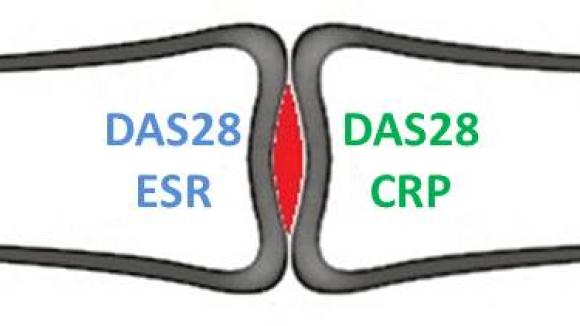
The disease activity score (DAS28) has been developed as a dynamic assessment tool and a therapeutic response measure for use in clinical trials and practice.
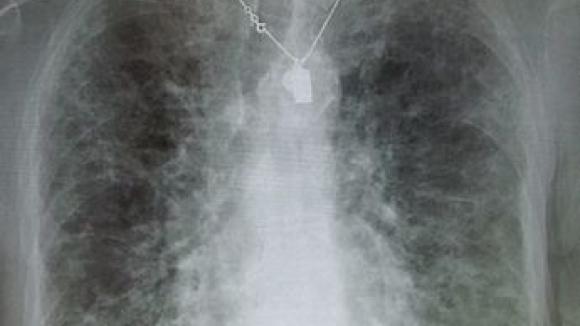
The Wall Street Journal reports that new drug development offers hope for people with idiopathic pulmonary fibrosis, a rare, progressive fibrosing lung disorder that affects nearly 200,000 Americans, mostly middle-aged and older adults.
In August, RheumNow published 76 tweets covering novel news, research and teaching points gleaned from the medical literature, regulatory reports and internet sources. We had a reach (impressions) of 60,800, with 45 mentions, and 2049 visits to RheumNow.com.

By downloading this material, I acknowledge that it may be used only for personal use and personal education and that I will accredit RheumNow.com as the source and owner of this material. Commercial use or mass reproduction of this material without permission from RheumNow (info@rheumnow.com) is prohibited.

