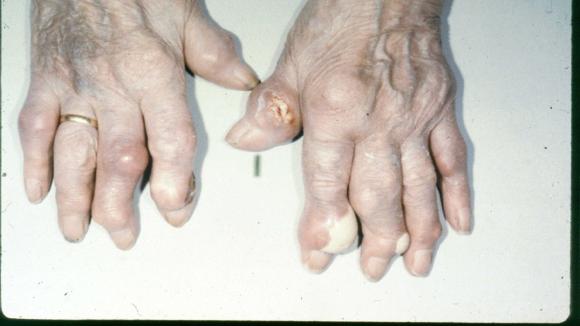
In most mammals, uricase catalyzes the oxidation of uric acid to allantoin, a highly soluble compound easily excreted by the kidneys. But humans lack functional uricase, leaving xanthine oxidase inhibitors (allopurinol/febuxostat) as first-line urate-lowering therapy (ULT). Uricase-based biologics are reserved for uncontrolled/refractory gout patients with gouty flares, active synovitis, and/or non-resolving tophi despite optimized oral ULT.
All News
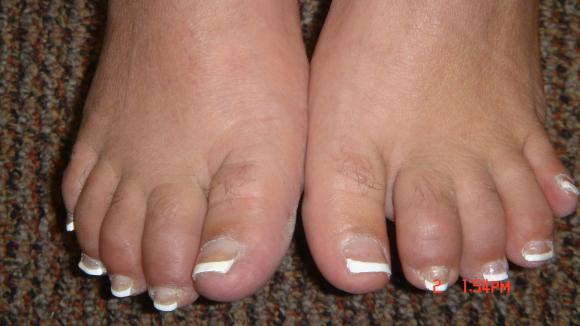
Dactylitis, AKA the "sausage digit", is a hallmark of psoriatic arthritis (PsA), but as Possemato and colleagues point out, it is fundamentally a clinical sign, and not a diagnosis. This review article discusses the wider implications of dactylitis in rheumatology and medicine underscores the diagnostic and prognostic significance of this manifestation.
Dr. Jack Cush reviews the news, journal reports from the past week on RheumNow.com.
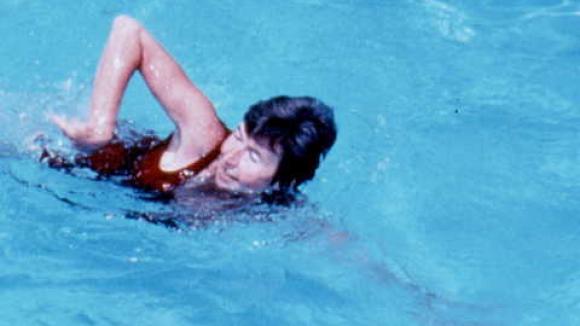
Swimming Reduces Disability from Low Back Pain
Swimming is commonly recommended for patients with chronic low back pain. Yet, there is little trial data investigating swimming. An Australian study has shown for the first time that a program of swimming can be clinically effective in reducing disability from chronic low back pain.
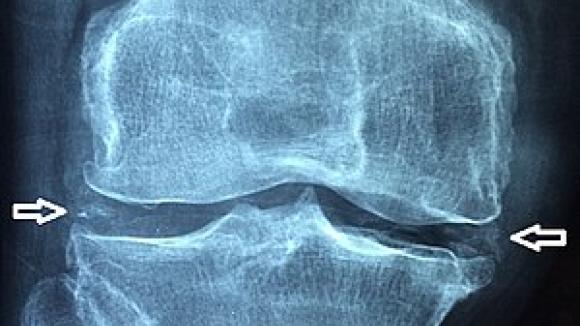
A recent perspective by Tedeschi tackles many unresolved issues around CPPD diagnosis, classification, and management, including the lack of clinical trials or FDA approved treatments.
Fibromyalgia (FM) affects 4–6% of the U.S. population, with nearly a 2 fold female predominance. Nociplastic pain underlies the pathophysiology of FM. CNS hypersensitization to both painful and non-painful stimuli occurs with little or no tissue pathology. Framing FM as a disorder of CNS processing is critical to diagnosis, treatment approaches and patient buy-in.